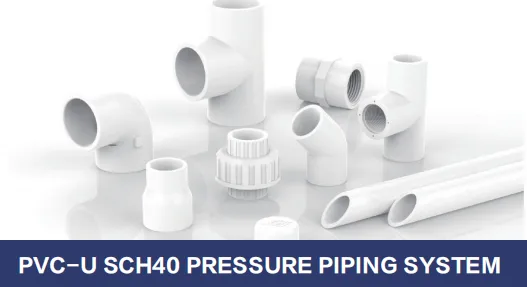
With prep work done, it's time to start installing. Follow these steps, and you'll be well on your way to a leak-free system.
Step 1: Measure and Cut Pipes with Precision
Measure twice, cut once—that old carpenter's adage applies here, too. Use your tape measure to mark the pipe where it needs to be cut, then secure it in a vice (or hold it steady with a friend) to avoid wobbling. If using a hacksaw, cut slowly and keep the blade perpendicular to the pipe to ensure a flat, even edge. For a cleaner cut, a ratchet cutter is ideal: position the pipe in the cutter, align the blade with your mark, and squeeze the handles until the pipe snaps cleanly.
After cutting, grab your deburring tool. Run it around both the inside and outside edges of the pipe to remove burrs, which can catch debris or prevent a tight fit with fittings. A quick pass with a clean rag will also remove any dust or shavings.
Step 2: Dry Fit Before Gluing
Dry fitting—assembling the pipes and fittings without cement—is like a dress rehearsal. It lets you check if everything lines up, if you have the right angles, and if your measurements were accurate. Start by connecting the first pipe to its fitting: push firmly until it seats all the way (you'll feel a slight resistance when it hits the stop inside the fitting). Continue adding pipes and fittings until the entire run is assembled. If something feels off—a pipe is too short, a fitting is twisted—now's the time to adjust. Better to redo a cut now than after gluing!
Step 3: Prime and Cement—The Bond That Lasts
Now for the critical part: creating a permanent, watertight seal. PVC primer (sometimes called "cleaner") does two jobs: it cleans the pipe surface of oils and dirt, and it softens the plastic slightly to help the cement adhere. Here's how to do it right:
-
Shake the primer can well, then apply a liberal coat to the outside of the pipe end and the inside of the fitting using the included applicator brush.
-
Let the primer sit for 10-15 seconds—it should look dull and matte when ready.
-
Apply cement to the same areas (pipe outside, fitting inside), again using a generous coat. Don't skimp here—too little cement leads to weak bonds.
-
Immediately push the pipe into the fitting with a quarter-turn twist. This spreads the cement evenly and ensures full contact. Hold the joint for 30 seconds to prevent it from slipping apart.
Wipe away any excess cement with a rag—dried cement can interfere with future repairs. And remember: work in a well-ventilated area; primer and cement fumes are strong!
Step 4: Secure the Pipes
Even the strongest glue can't compensate for a sagging pipe. Use clamps, hangers, or straps to secure the piping system to structural supports (studs, joists, or wall brackets). For horizontal runs, space supports every 3-4 feet; for vertical runs, every 6-8 feet. Avoid over-tightening clamps—you want to hold the pipe firmly without crushing it. If pipes rub against wood or metal, add a rubber gasket to prevent wear and noise.
Step 5: Pressure Testing—The Final Check
You're almost done, but there's one last hurdle: pressure testing. This step ensures there are no leaks before you bury the pipes or close up walls. Here's how to do it:
-
Close all valves and cap open ends of the system.
-
Connect a pressure gauge to a faucet or test port.
-
Slowly fill the system with water, opening faucets briefly to bleed air (air pockets can give false pressure readings).
-
Use a hand pump to increase pressure to 1.5 times the system's working pressure (for most homes, that's around 60-80 psi; check local codes for specifics).
-
Let the pressure stabilize, then monitor the gauge for 30-60 minutes. A drop of more than 5 psi indicates a leak.
-
If you find a leak, mark the area, drain the system, and repair the joint (you may need to cut out the faulty section and re-glue with new fittings).
Passing the pressure test is more than a formality—it's the moment you can finally breathe easy, knowing your system is ready to perform.