
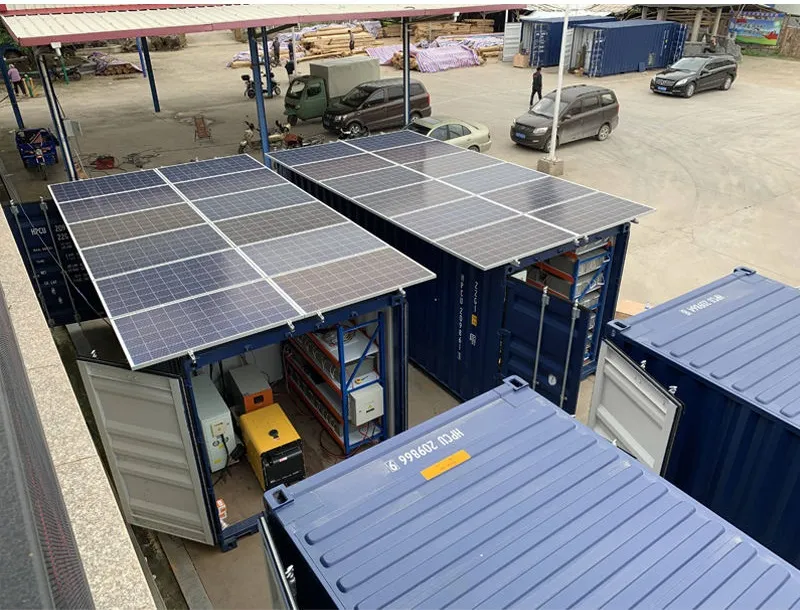
You know that feeling when you install solar panels expecting to slash your energy bills, only to discover they're underperforming? Many homeowners experience this frustration without realizing that panel placement is just one piece of the puzzle. The real game-changer lies in the system design optimization – the secret sauce that transforms good solar installations into exceptional ones.
Think of solar panels like athletes. Even the most talented sprinter won't win races wearing ill-fitting shoes or running uphill unnecessarily. Your panels need that same tailored support system – proper angling, smart wiring, and environmental harmony – to truly shine at their peak performance.
When we discuss solar efficiency, we're really talking about two interconnected stories:
The magic happens when these stories intertwine through intentional design. A technically perfect system that ignores homeowner habits wastes potential, while user-friendly systems that overlook physics leave money on the table.
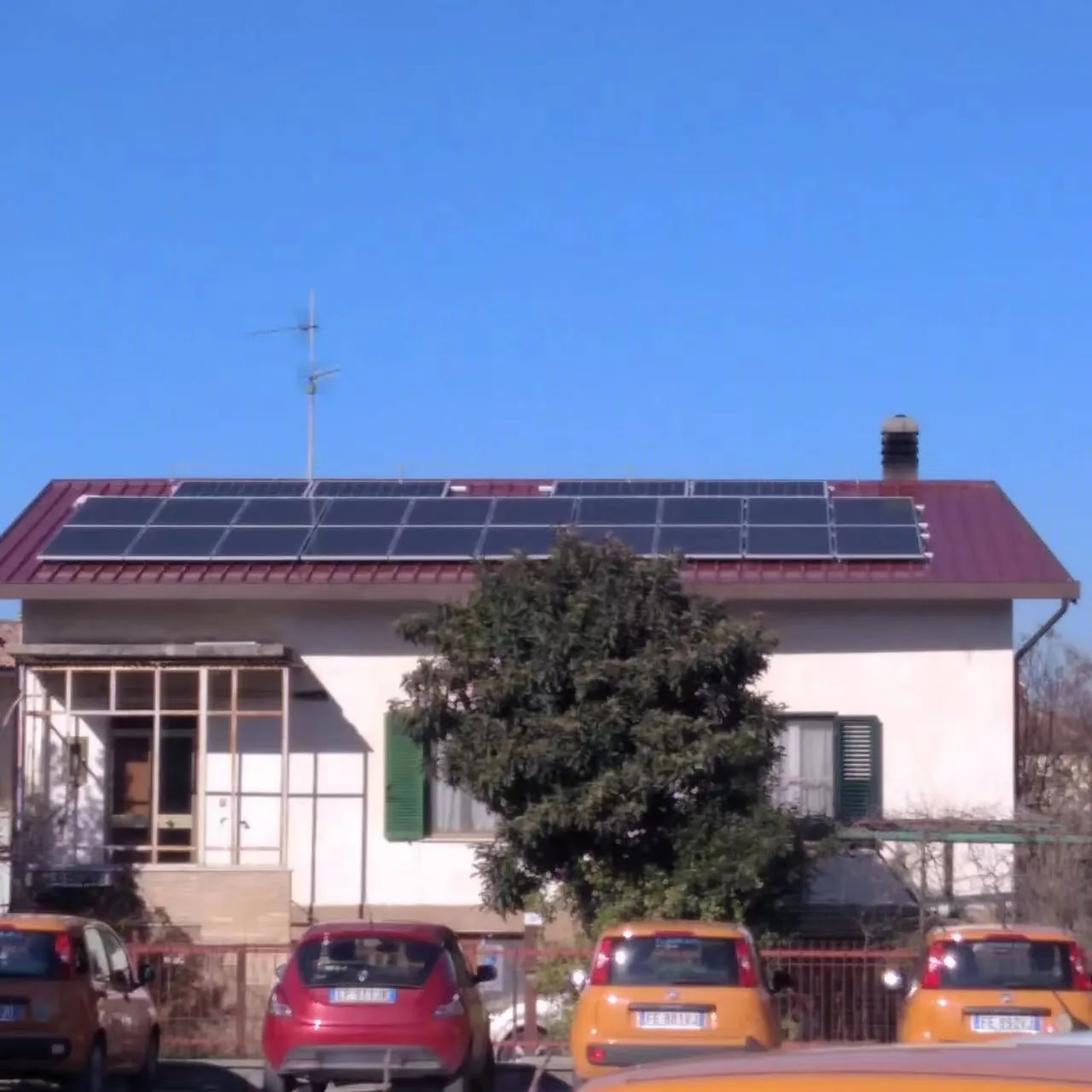
Pro Tip: Solar design isn't about chasing perfection – it's about finding that sweet spot where physics meets practical life. A 5-degree tilt adjustment might seem trivial, but over 20 years, it adds up to thousands of kilowatt-hours.
Forget generic "south-facing" rules. True optimization demands hyper-local understanding:
This attention to detail separates cookie-cutter installations from truly customized solutions.
Overheating is the silent efficiency killer most homeowners overlook. Panels need air circulation like lungs need oxygen:
String design isn't just electrical engineering – it's poetry in motion when done right:
These considerations ensure your precious solar energy flows smoothly to its destination.
Great solar design anticipates tomorrow's needs:
"I thought our south-facing roof was perfect until the designer showed me how our chimney's winter shadow would steal 17% of our potential energy. We relocated three panels and gained back thousands of kilowatt-hours over the system's life." – Sarah K., Colorado homeowner
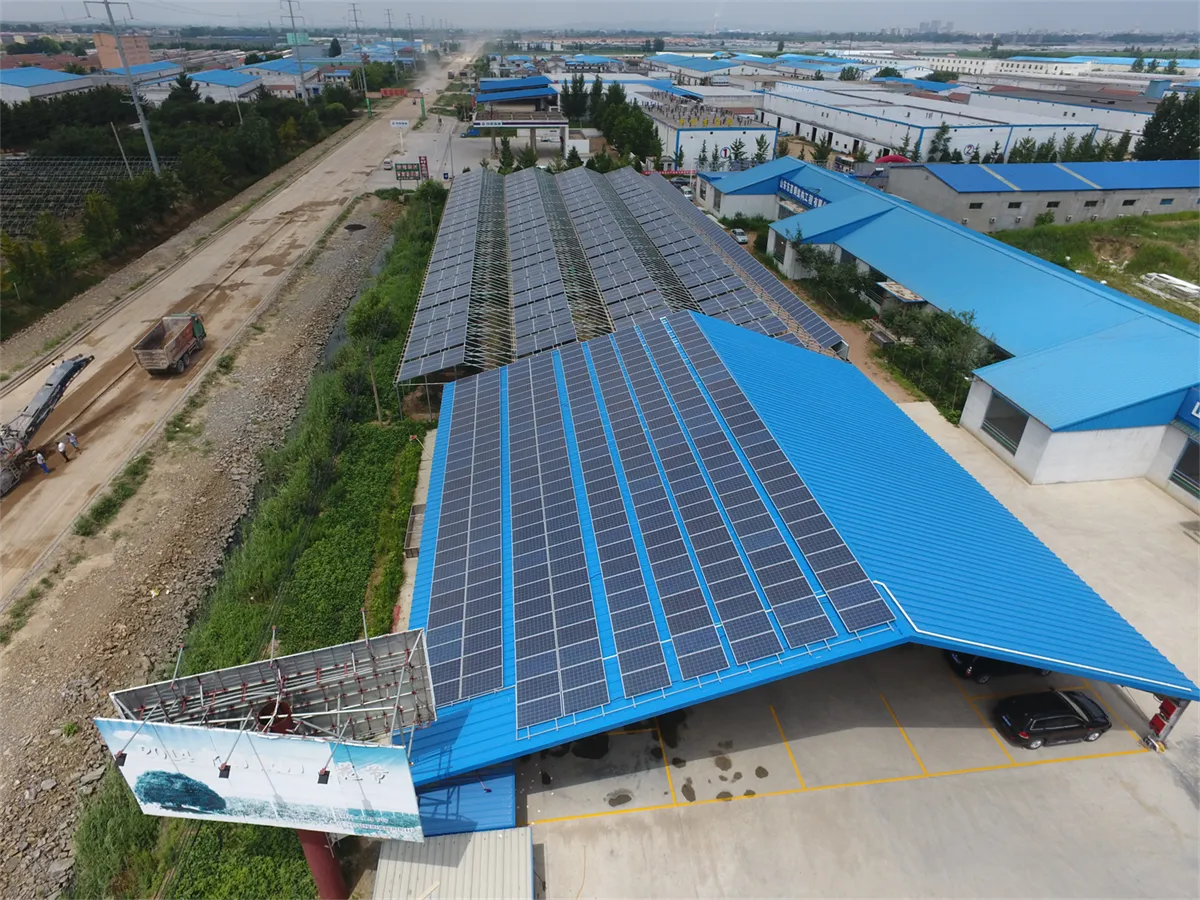
Technical excellence means nothing if users can't understand their system. Effective design includes:
These elements transform abstract energy production into tangible household benefits.
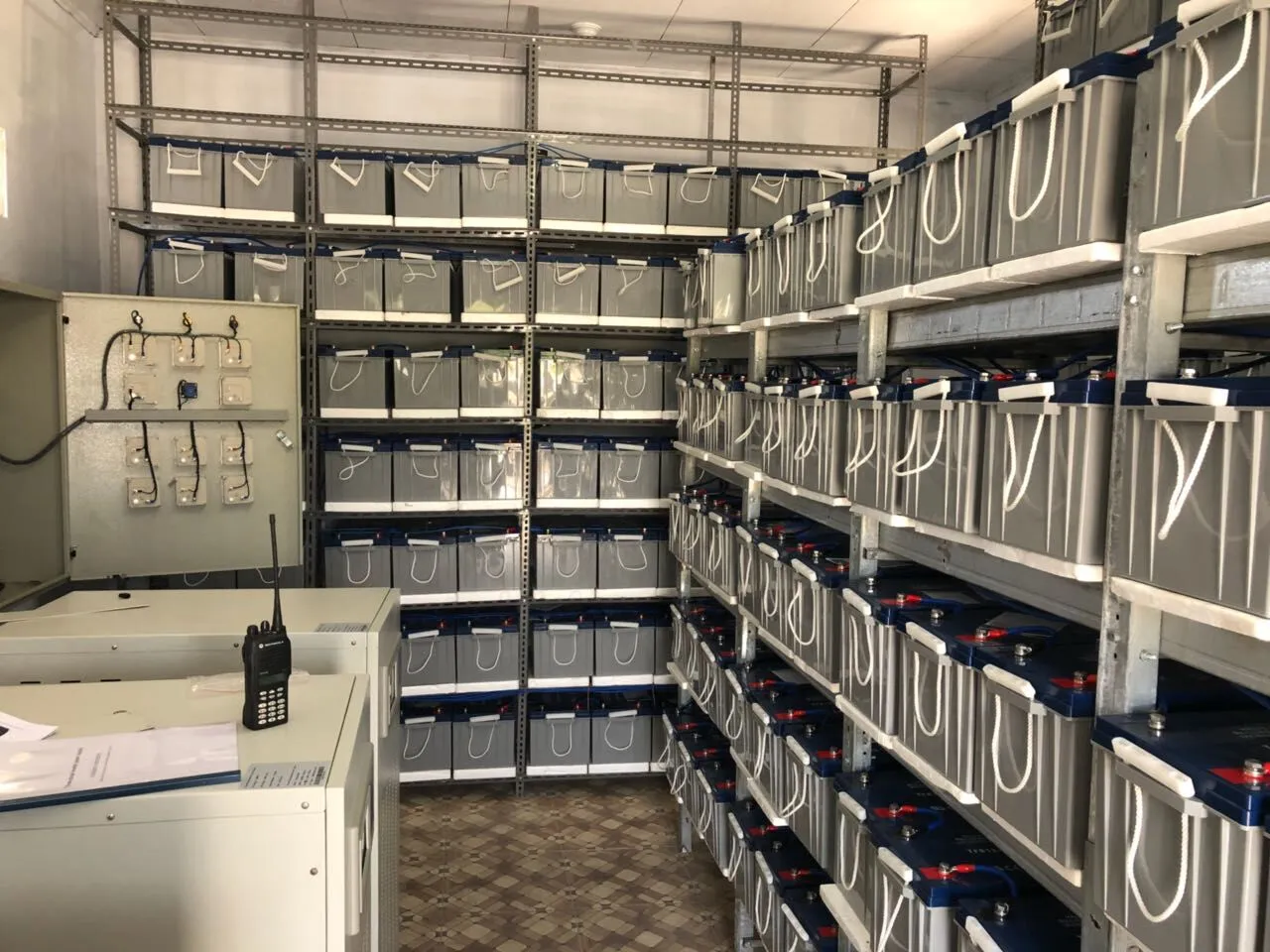
Truly optimized solar respects its ecosystem:
These considerations create installations that give back to their environment.
Long-term efficiency begins at installation:
Maintenance Insight: A small upfront investment in tilt-leg accessibility can cut future servicing costs by 40%. That's design optimization paying dividends for decades.
Optimization isn't a one-time event – it's a relationship with your energy system:
This ongoing dialogue between homeowner and installation yields compounding returns.
At its core, solar optimization is a conversation between sunlight and engineering, mediated by human wisdom. The most efficient systems aren't just technically sound – they feel like natural extensions of the home they serve.
As you consider improving your solar investment, remember that every design choice whispers to your panels: "Perform better." "Last longer." "Serve this family well." When those whispers become intentional design decisions, you unlock solar energy's full potential – not just as electricity, but as a harmonious partnership between technology and daily life.
Note: This article incorporates industry keywords including distributed solar power systems for comprehensive solar solutions.
Recommend Products












