


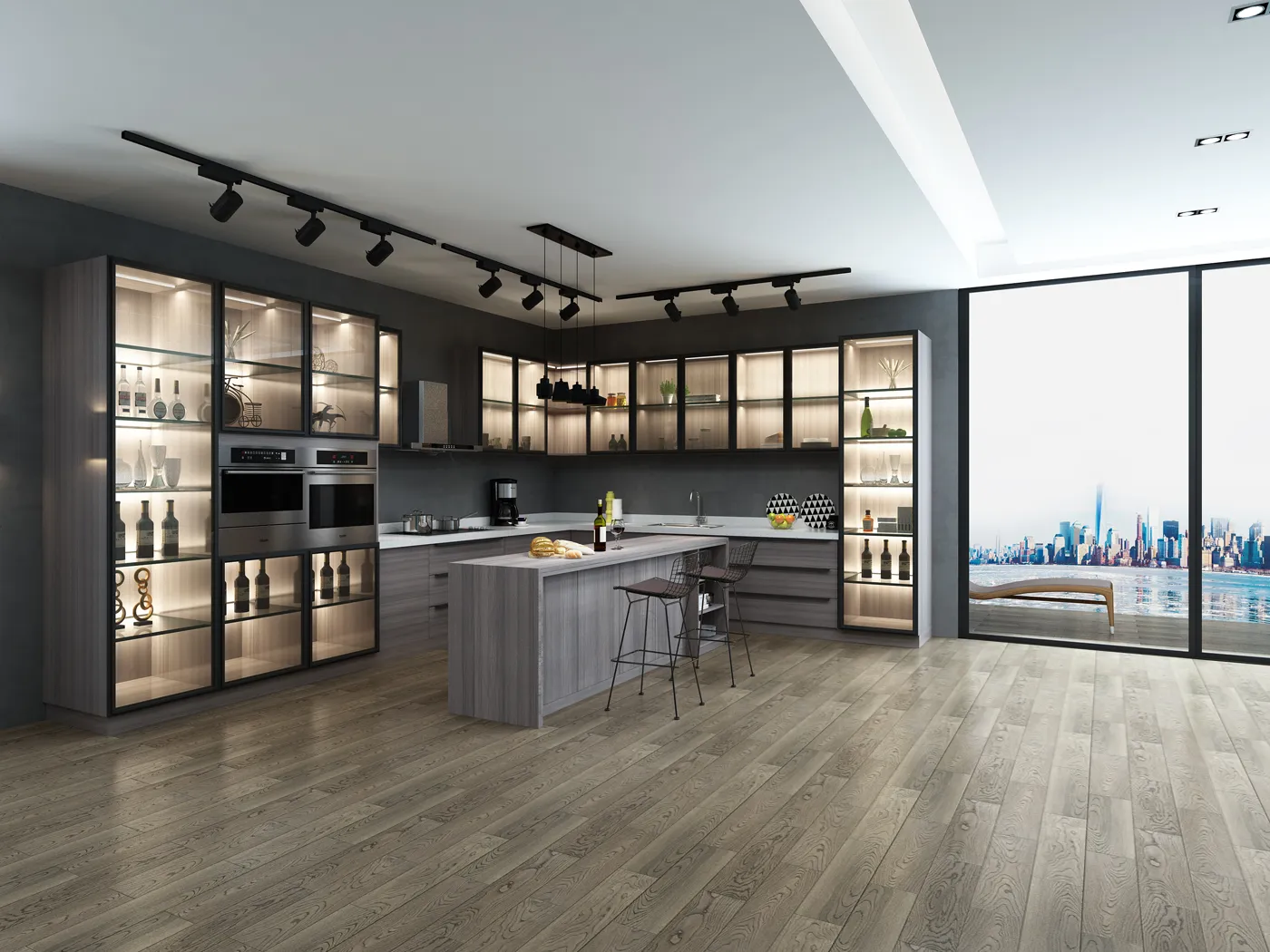
Let's talk about what really makes your kitchen cabinets stand the test of time. It’s not just about how pretty they look when they're freshly installed – it’s the nuts and bolts, literally. Hardware like hinges and handles plus the magic of joinery – that's where the rubber meets the road. Ever opened a drawer to find it wobbling? Or noticed doors sagging after just a year? That’s what happens when quality takes a backseat.
Today we’re going to cut through the confusion and help you spot the true winners. Forget the sales jargon and glossy brochures – we'll focus on practical signs you can touch, feel, and test yourself. By the end, you’ll see cabinets like a pro contractor would.
The Heartbeat of Your Cabinets: Hardware Essentials
Cabinet hardware is like the nervous system of your kitchen. Screws, hinges, drawer slides – these silent heroes bear the daily brunt of your cooking chaos. So how do you know if that shiny pull is quality or junk?
Stress-Testing Hardware: What to Look For
- Weight matters : Heavier knobs/pulls = denser metals. Cheap hardware feels suspiciously light in your palm. Solid options have satisfying heft.
- The finish game : Quality hardware keeps its looks. Scrub it with a Scotch-Brite pad. If the finish stays put, you've got a winner. If it flakes? Next!
- Smooth operators : Test drawer slides repeatedly – quality ones glide without catching. Cheap versions sound like dragging a shovel on concrete.
- Screw inspection : Quality hinges use beefy, machine-finished screws. If you see stripped heads or thin threads, consider it a red flag.
Pro tip: When visiting showrooms, be that person who opens/closes everything relentlessly. You’re not being annoying – you’re being smart!
Joinery: Where the Magic Happens
Now let’s peek behind the scenes where pieces of wood become furniture. Joinery techniques are cabinet make-or-break moments. When properly done, these connections laugh off humidity changes and heavy pots.
| Joinery Type | Visual Clues | Longevity Rating |
|---|---|---|
| Dovetail Joints | Interlocking "teeth" pattern visible on drawers | ⭐⭐⭐⭐⭐ (Gold standard) |
| Mortise & Tenon | Wooden peg visible through matching holes | ⭐⭐⭐⭐ (Excellent) |
| Box Joints | Rectangular fingers interlocked like LEGO | ⭐⭐⭐⭐ (Strong) |
| Pocket Screws | Hidden screws but visible plugs on frames | ⭐⭐⭐ (Good) |
| Glue & Staples | Visible fastener heads, seam gaps | ⭐ (Avoid if possible) |
The flex test: Push firmly on cabinet corners – quality joinery stays rigid. If you feel movement or hear creaking, the joints weren’t properly fitted.
Material Matters: What Lies Beneath
Great hardware and joinery need quality partners. A stainless steel hinge is wasted on particle board that swells like a sponge. Here's how raw materials impact performance:
Decoding Cabinet Materials
- Solid Wood Kings: Hardwoods like oak and maple have tight grains resisting warping. Run fingers across surfaces – inconsistencies mean lower-grade wood. And remember solid wood kitchen cabinets offer superior longevity if maintained properly.
- Plywood Pro: Look for 7+ layers with no air pockets. Cross-section views should show even, knot-free laminations.
- MDF/PartBoard Alert: Avoid water exposure at all costs! Perfectly flat surfaces but disintegrate with moisture.
- Finish Resilience: Pour water on surfaces – quality finishes bead up. If absorbed immediately, expect stains.
The 5-Minute Expert Quality Check
Feeling overwhelmed? Use this rapid audit checklist at any showroom:
Hinges made with solid brass or stainless steel?
Drawers open silently using full-extension glides?
Corners show tight joints without gaps/filler?
Wood surfaces feel dense and cool (not warm/plasticky)?
Doors stay perfectly aligned when opened repeatedly?
If you checked 4+, you're holding quality. Fewer than 3? Keep shopping!
Why Professionals Go The Extra Mile
Carpenters who care dig deeper than surface inspection:
- Corner bracing test: Remove a drawer to inspect internal reinforcements – quality cabinets have triangular braces
- Humidity simulation: Pros inspect joinery contraction gaps – pieces need breathing room for seasonal changes
- Weight simulation: They load shelves with weights to see how frames/distribute pressure
- Finish absorption test: Rubbing mineral spirits reveals poorly applied finishes that'll yellow
The Takeaway: Trust Your Hands More Than Your Eyes
At the end of the day, quality shouts through subtle details:
- That satisfying thunk when closing a solid door
- Perfectly flush joints you can’t slide paper into
- Hardware moving like butter without grinding
- Material weight telegraphing substance over shortcuts
Avoid trendy promises – focus instead on these timeless physics. Your cabinets should feel less like furniture and more like architecture: built solid, joining seamlessly, working hard without fanfare. Because the real magic isn’t just a beautiful kitchen – it’s one that still works beautifully a decade later.










