
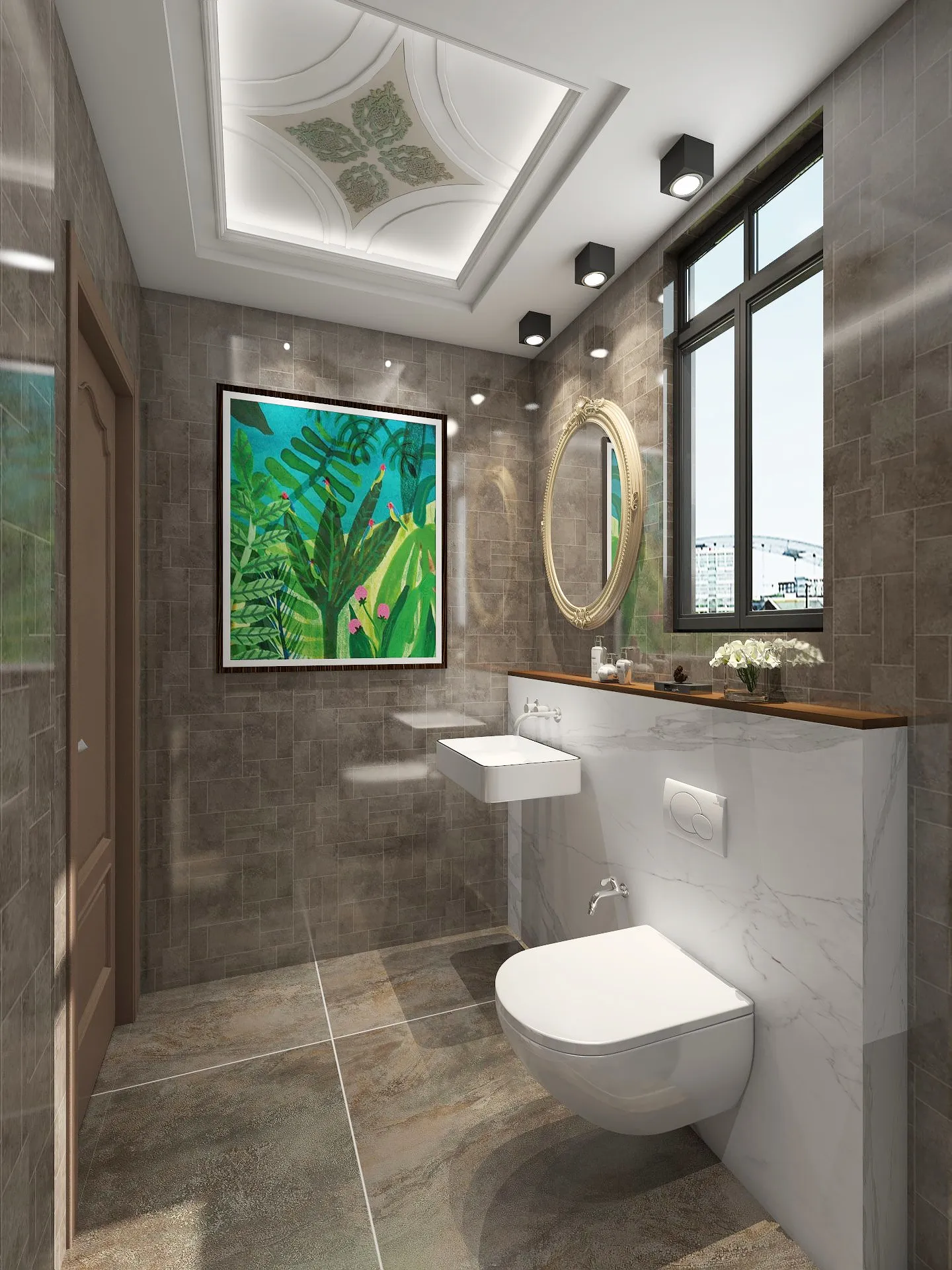
Choosing a bathroom washbasin might seem straightforward, but it's a decision that impacts your daily life more than you realize. From the moment you splash water on your face in the morning to when you brush your teeth at night, this essential fixture plays a starring role in your personal care rituals. Yet, so many homeowners end up with basins that stain easily, develop hairline cracks, or lose their luster within months. Why? Because they focused on style over substance, not understanding that true quality lies beneath the surface .
Imagine this common scenario: You fall in love with a gorgeous washbasin in a showroom. It has perfect curves, a beautiful finish, and fits your design aesthetic. Fast forward six months, and you're scrubbing stubborn tea stains that won't budge, noticing tiny cracks near the drain, and watching that once-glossy surface turn dull. This frustration is completely avoidable if you know what truly distinguishes premium ceramic basins from mediocre ones.
Professional installers call glaze "the skin of ceramic" – and just like human skin, its quality determines long-term health and appearance. The glaze isn't just about looks; it's the protective barrier between porous ceramic material and everything you throw at it: toothpaste, makeup, hair dye, hard water minerals, and cleaning chemicals.
When evaluating glaze quality, here's what separates the exceptional from the ordinary:
◉ Light Test : Position the basin under direct light. Run your finger across the surface – premium glaze feels like cool silk, not gritty or bumpy. Rotate the basin to check for uneven shine patches.
◉ Color Depth : Cheap glazes appear "painted on" while quality glazes look integrated with the ceramic beneath. White should be creamy or porcelain-toned, not chalky or artificial.
◉ Reflection Clarity : High-grade glaze creates a mirror-like finish where reflections remain crisp, not wavy or distorted.
◉ Edge Examination : Check where internal surfaces meet – drain holes, overflow channels. Rough or unglazed spots? Reject it.
Remember that glaze quality isn't just cosmetic. Inferior glazing leads to:
Industry insiders measure glaze hardness using the Mohs scale. Premium bathroom ceramics score 6-7 (similar to quartz), while budget options barely reach 4-5. That difference determines whether your basin stays flawless for 15+ years or degrades before your warranty expires.
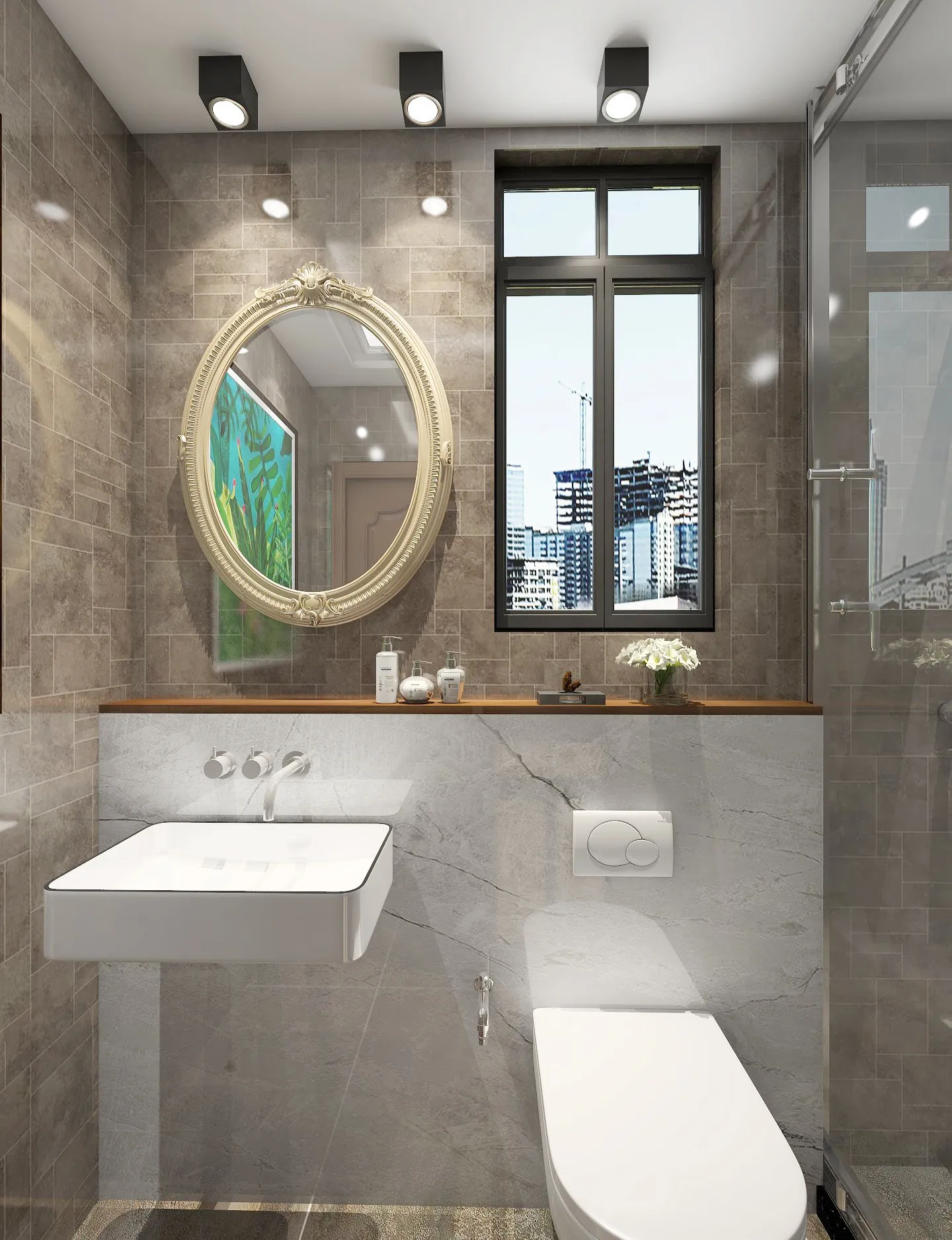
Beneath that beautiful glaze lies the ceramic body – and this is where most failures originate. The critical measure? Water absorption rate. This unsexy specification predicts whether your basin will:
◉ Develop mold inside the material ("damp spots" appearing on the surface)
◉ Crack during temperature changes (like hot wax poured into basin)
◉ Cause structural failure at mounting points
◉ Emit musty odors as trapped moisture degrades the material
Here's what the numbers mean:
Practical test method: Ask for a material sample. Weigh it dry, submerge in water for 24 hours, then re-weigh. The weight increase percentage is water absorption rate. Most manufacturers won't volunteer samples, but serious ones provide certified test reports. Reputable manufacturers who specialize in residential and commercial building materials will readily share these specifications.
Why does density matter? Think of ceramic molecules like bricks. Premium clay fired at 1300°C+ becomes tightly packed "bricks" – water can't squeeze through. Cheap clay fired below 1180°C leaves "gaps" between bricks where moisture enters. Once water infiltrates, temperature changes make it expand/contract, literally exploding the ceramic from within – hence those mysterious cracks.
The "handcrafted" label often justifies premium prices. But when it comes to ceramics, technique matters more than romantic notions:
True Under-Glaze Craftsmanship: Patterns are applied to unfired "greenware," glazed over, then fired. Colors fuse with the glaze – no fading or peeling. Requires master artisans who manipulate 1200°C furnace environments.
The Over-Glaze Deception: Patterns are decal-transferred onto already fired glaze. Easier/cheaper but creates texture gaps where dirt collects, and designs scratch off over time.
Spotting authentic craftsmanship:
For colored basins, ask if they use metal-free pigments. Cheap manganese/cadmium pigments fade dramatically. The best manufacturers now use mineral pigments that maintain color integrity for decades.
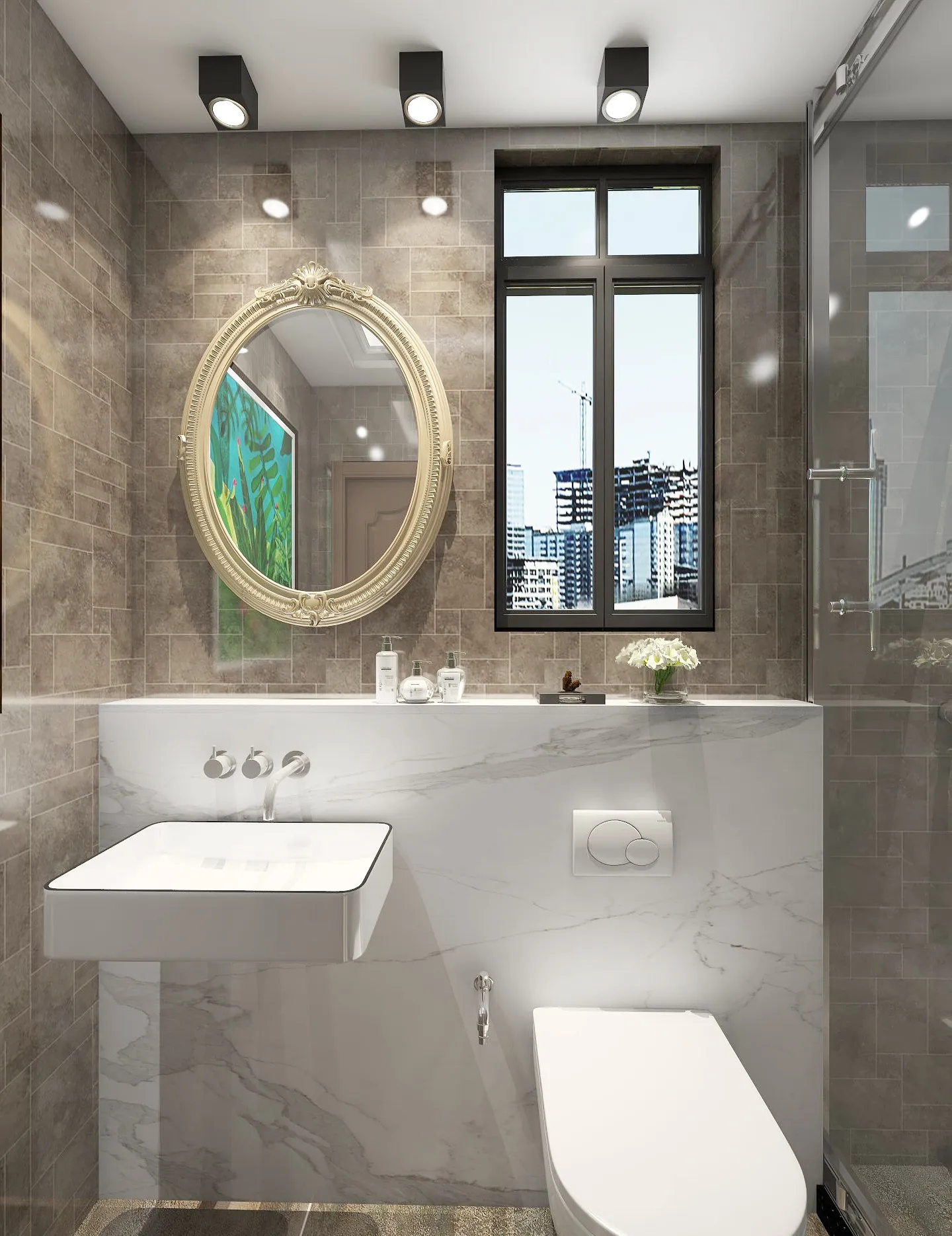
Surprise! How a basin installs reveals its engineering quality. Watch for:
Tap gently: Solid basin walls resonate with consistent tones; variations indicate thickness problems or hollow spots
Lip strength: Apply downward pressure to basin rims – excessive flex means imminent cracks
Drain mating: Test-fit waste assemblies – threads should engage smoothly without "chewing" material
Overflow integrity: Shine a flashlight inside overflow channels: rough edges = future leak paths
Premium basins feature:
Consider "water-sound acoustics" – yes, that matters! Premium basins minimize the annoying "clang" when objects drop into them via precisely tuned curvatures that direct impact energy instead of ringing. Test by dropping a coin: should produce soft "thud" rather than harsh "ping".
The true beauty of high-quality ceramics? They clean themselves... almost. Advanced glaze formulations now include:
In real life, this translates to:
"I have teenagers who basically treat basins like science experiments. With our premium basin, toothpaste globs rinse clean without scrubbing, hair dye stains wipe off days later, and even glitter (!) doesn't embed itself like our last basin. It legitimately saves 10 minutes of daily scrubbing." – Amanda R., interior designer
The cost of cheap ceramics? Countless hours scrubbing with harsh chemicals that degrade surfaces. Every acidic cleaner etches microscopic valleys in glaze, accelerating staining. Quality ceramics preserve surfaces through decades of cleaning.
Selecting ceramic basins blends science with aesthetics. Remember:
Grades Exist : Commercial basins (high-traffic) meet stricter standards than residential. If possible, buy "commercial grade" for home use
Certifications Matter : Look for ISO 14001 Environmental Management Certification - indicates strict process controls
Test Reports : Reputable brands provide water absorption test results and glaze hardness ratings
Fire Marks : Some premium ceramics show a tiny green dot – manufacturers' highest-grade firing mark
Visit showrooms equipped for demonstration:
Remember that quality basins won't necessarily cost dramatically more – maybe 15-30% premium over budget options. But this translates to decades of service without replacement costs, plumber visits for leaks, or daily cleaning frustration. In architectural terms, it's a foundational investment rather than a decorative afterthought.
Beyond technical specifications, premium ceramics deliver intangible yet profound daily benefits:
Your bathroom shouldn't demand constant attention; it should quietly support your well-being. Choosing ceramic wisely transforms a utilitarian fixture into a pillar of daily serenity. When you understand glaze integrity and water absorption rates, you're not just buying plumbing – you're investing in decades of effortless beauty.
Recommend Products












