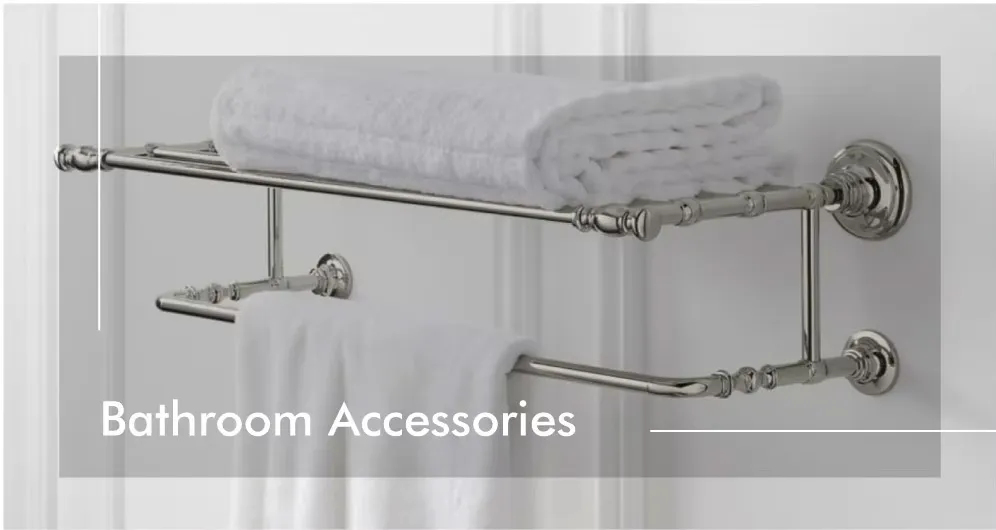
Picture this: it's January and you're scrambling to replace broken towel racks while simultaneously trying to upgrade shower heads for a renovation project. Sound familiar? Without a purchasing plan, bathroom projects become chaotic money pits. The truth is that
87% of facility managers overspend on bathroom accessories
when buying reactively instead of strategically.
An annual purchasing plan transforms bathroom management from:
-
Crisis spending → Proactive budgeting
-
Inconsistent quality → Standardized specifications
-
Vendor confusion → Streamlined partnerships
-
Maintenance nightmares → Preventative upgrades
The Foundation: Assessment & Requirements
Step 1: The Bathroom Audit Walkthrough
Grab a clipboard and evaluate every bathroom with these questions:
-
Which accessories are worn/damaged? (towel bars, soap dispensers, mirrors)
-
Where are ergonomic issues? (poorly placed grab bars, low-flow issues)
-
What upgrades would enhance accessibility? (lever faucets, comfort-height toilets)
-
Where are maintenance hotspots? (constantly clogged drains, leaking faucets)
Document with photos and notes. This establishes your baseline "bathroom health report".
Step 2: Quantify Your Needs
Transform observations into measurable requirements:
Install 15 ADA-compliant grab bars across facilities
Standardize touchless faucets in high-traffic restrooms
Upgrade 40 showerheads to WaterSense-certified models
Pro Tip: Use QR codes on accessories during audits for instant documentation
Budgeting Like a Pro
The Cost Matrix Approach
Don't just set a lump sum - break costs into categories:
|
Category
|
% of Budget
|
Key Items
|
|
Essential Replacements
|
50%
|
Faucets, toilets, emergency repairs
|
|
Preventative Upgrades
|
30%
|
Showerheads, flow restrictors
|
|
Aesthetic Improvements
|
15%
|
Mirrors, vanity lights
|
|
Contingency
|
5%
|
Unplanned emergencies
|
Smart Cost-Saving Tactics
Bundle purchases: Combine
mirror and lighting orders for 10-15% discounts
Off-season buying: Score shower enclosures at 20% off in Q1
Remanufacturing: Refinish
bathtubs instead of replacement (60% savings)
Standardization: Reduce SKUs to qualify for bulk pricing
Vendor Management Strategy
Finding the Right Partners
The best bathroom plans fail with poor vendors. Evaluate using this checklist:
Sustainability: What recycled materials do they offer?
Lead Times: Can they meet your project schedules?
Compliance: Documentation for ADA, WaterSense, etc.
Warning: Avoid vendors requiring 100% prepayment - reputable suppliers need only 30-50% deposit
Contract Structure Essentials
Protect your organization with these clauses:
-
Performance-based milestones (payment upon verified installation)
-
Material warranties (minimum 5 years for bathroom hardware sets)
Damage/loss allocation during shipping
-
Flexibility for mid-stream specification changes (+/- 15% quantity adjustment)
Implementation Roadmap
Phased Installation Approach
Avoid operational disruptions with strategic scheduling:
Phase 1: Off-peak periods (summer breaks, holiday closures)
Phase 2: Low-traffic areas first (admin
bathrooms before public spaces)
Phase 3: Quick-win zones (towel bar replacements before full renovations)
Buffer days: Allow 25% extra time for unforeseen complications
Maintenance Integration
Your plan shouldn't end at installation - extend value through maintenance:
Digital twins: Create QR code maintenance logs for each accessory
Preventative scheduling: Plan cartridge replacements before leaks occur
Staff training: Teach janitorial teams proper cleaning methods to extend lifespan
Success Story: Marriott Hotels increased accessory lifespan 40% through QR-code maintenance tracking
Technology Tools Worth Using
Must-Have Planning Software
FacilityBot: Tracks accessory condition and auto-generates replacement schedules
ProcurePro: Manages vendor bids and lifecycle costing comparisons
BIM integration: Visualizes bathroom upgrades in 3D before purchasing
Sustainable Purchasing Practices
Modern plans must address environmental responsibility:
Water conservation: Prioritize EPA WaterSense-certified fixtures
Material selection: Choose recycled brass and nickel finishes over chrome
Packaging requirements: Mandate 100% recyclable packaging from vendors
End-of-life planning: Include take-back programs in vendor contracts
FAQs: Expert Insights
Q: How often should we revisit our purchasing plan?
Quarterly reviews are essential. Check inventory levels every 90 days and adjust for unexpected wear. Conduct a full strategy reassessment annually before budget cycles.
Q: What's the optimal bathroom accessory lifecycle?
Quality fixtures should last 8-12 years, but budget-tier products may need replacement in 3-5 years. Invest in higher-grade finishes like brushed nickel to extend replacement cycles.
Q: How do we balance design trends with timeless functionality?
Focus your core budget on durable "bones" (drains, piping, structural elements) in classic finishes. Allocate just 15-20% for trend-forward decorative items like vanity lights or specialty mirrors that are easier to update.