


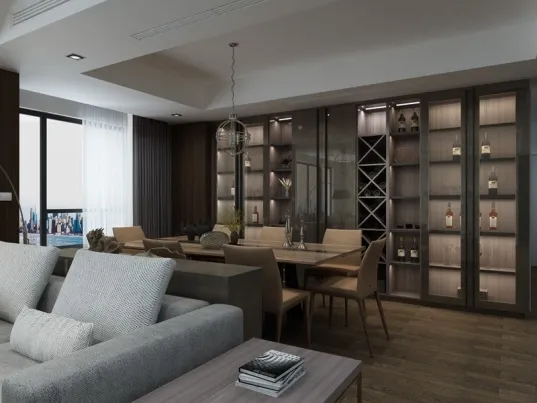
Finding the perfect wine cabinet supplier isn't just about keeping your bottles cool—it's about preserving moments and memories. Picture this: you finally get your hands on that rare vintage you've been hunting for years. You save it for a special occasion, only to discover it's spoiled because of improper storage. That heartbreaking scenario is why choosing the right partner matters so much.
After analyzing top industry resources, we've distilled the essentials into this actionable guide. Whether you're a restaurant owner, boutique hotelier, or serious collector, you'll discover how to navigate pricing transparency and identify genuinely reputable partners.
The Core Qualities of Truly Reputable Suppliers
Transparency in Pricing Structure
Watch for suppliers who break down costs like a well-paired menu: fabrication materials, cooling technology tiers, insulation quality, and energy efficiency ratings. The best offer modular pricing—pay only for the capacity and features you need. Beware of "all-inclusive" quotes that obscure real component costs.
Third-Party Validation
Look beyond marketing claims to certifications: ISO-9001 for manufacturing consistency, ENERGY STAR efficiency ratings, and CE safety compliance. Reputable suppliers volunteer test reports on vibration levels (critical for sediment) and humidity consistency metrics.
Design Flexibility Tailored to You
Exceptional suppliers work like sommeliers—they ask about your collection size, bottle dimensions, and ambient room conditions. Want glass fronts to showcase your labels? Need cedar shelving for special formats like magnums? The right partner engineers solutions, not just products.
Choosing Between Built-In vs. Freestanding Solutions
Built-In Wine Cabinets
- Seamless integration with kitchen/cellar design
- Superior insulation from surrounding cabinetry
- Higher initial investment ($3,000-$15,000+)
- Requires professional installation
Freestanding Coolers
- Flexible placement options
- Typically more affordable ($800-$4,000)
- Plug-and-play convenience
- Venting space requirements
Pro Tip: For serious collectors, hybrid solutions often work best. Use temperature-controlled wine cabinets for daily access bottles and professional cellar units for long-term aging.
Decoding Quality Construction Materials
Insulation Systems
High-density polyurethane foam (min. R-15 rating) outperforms cheaper fiberglass. Dual-pane glass with UV protection is non-negotiable for display units.
Structural Components
Stainless steel frames ensure longevity while aluminum shelving provides stability without humidity fluctuations that warp wood.
Climate Management
Dual-zone cooling systems maintain precise temperatures (±0.5°F variance) and 50-80% humidity regardless of ambient conditions.
Steer Clear of These Warning Signs
- Unverifiable "Lifetime Warranties": Reputable providers specify compressor coverage (typically 5-7 years), seal warranties (3 years), and labor terms.
- Missing Safety Certifications: UL/ETL certification is mandatory in North America; CE marked units are essential in Europe.
- No Engineering Specifications: Avoid suppliers who won't share decibel ratings (keep under 40dB), vibration frequencies, or energy consumption metrics.
Practical Supplier Sourcing Strategies
Check specialized forums like WineBerserkers and professional cellar design communities
Evaluate manufacturers at culinary expos before purchasing
Request references from clients with similar collection sizes
Analyze service response times—top suppliers offer 24-hour support
The Bottom Line on Quality Wine Storage
Protecting your wine investment goes beyond temperature dials and stainless steel handles. It's about partnering with transparent suppliers who engineer precision preservation systems. When you find that rare combination of pricing honesty and technical expertise, you're not just buying furniture—you're preserving liquid history for those unforgettable moments ahead.










