
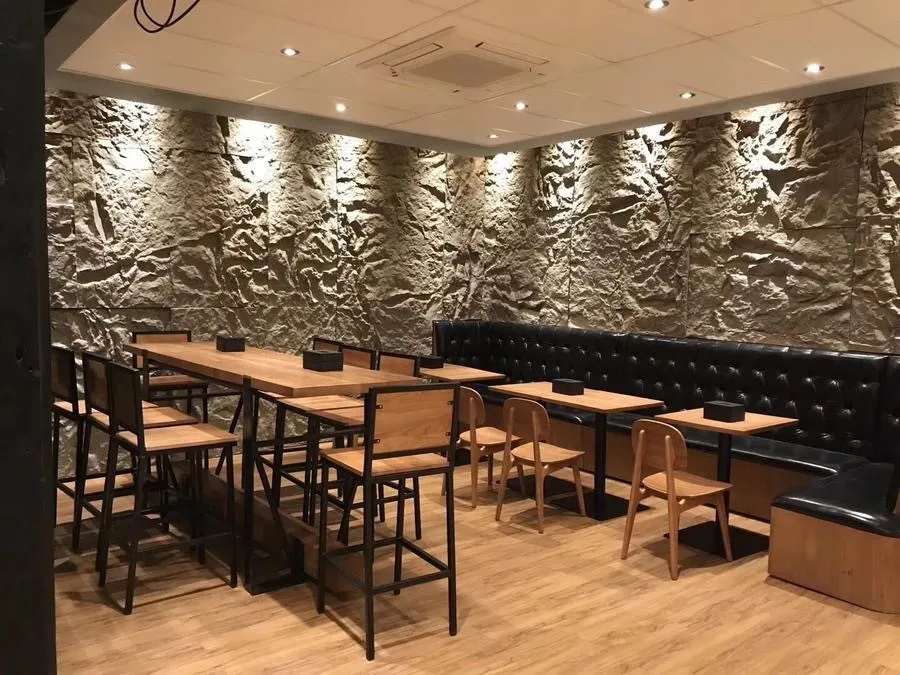
Shale slate is a sought-after natural stone prized for its layered texture, earthy tones, and exceptional durability. However, sourcing shale slate with consistent color and reliable thickness specifications can be challenging — especially when dealing with international suppliers. This guide walks you through evaluating suppliers step by step, so you can secure stone that meets your project's aesthetic and structural demands.
Shale slate is a fine-grained metamorphic rock formed from compressed shale deposits. Its natural cleft surface and foliated structure give it a distinctive rustic appearance that architects and designers frequently specify for both interior and exterior applications. Common color ranges include charcoal gray, blue-gray, rust brown, copper, green, and muted black — each varying by quarry origin and mineral composition.
The stone is widely used in wall cladding, flooring, roofing, and decorative landscaping. For interior projects, honed or polished finishes in consistent gray tones are popular. For exterior facades, natural cleft surfaces in darker, weather-resistant shades are preferred. The key challenge is that natural stone inherently varies, so a supplier's ability to deliver batch-to-batch consistency separates a reliable partner from a risky one.
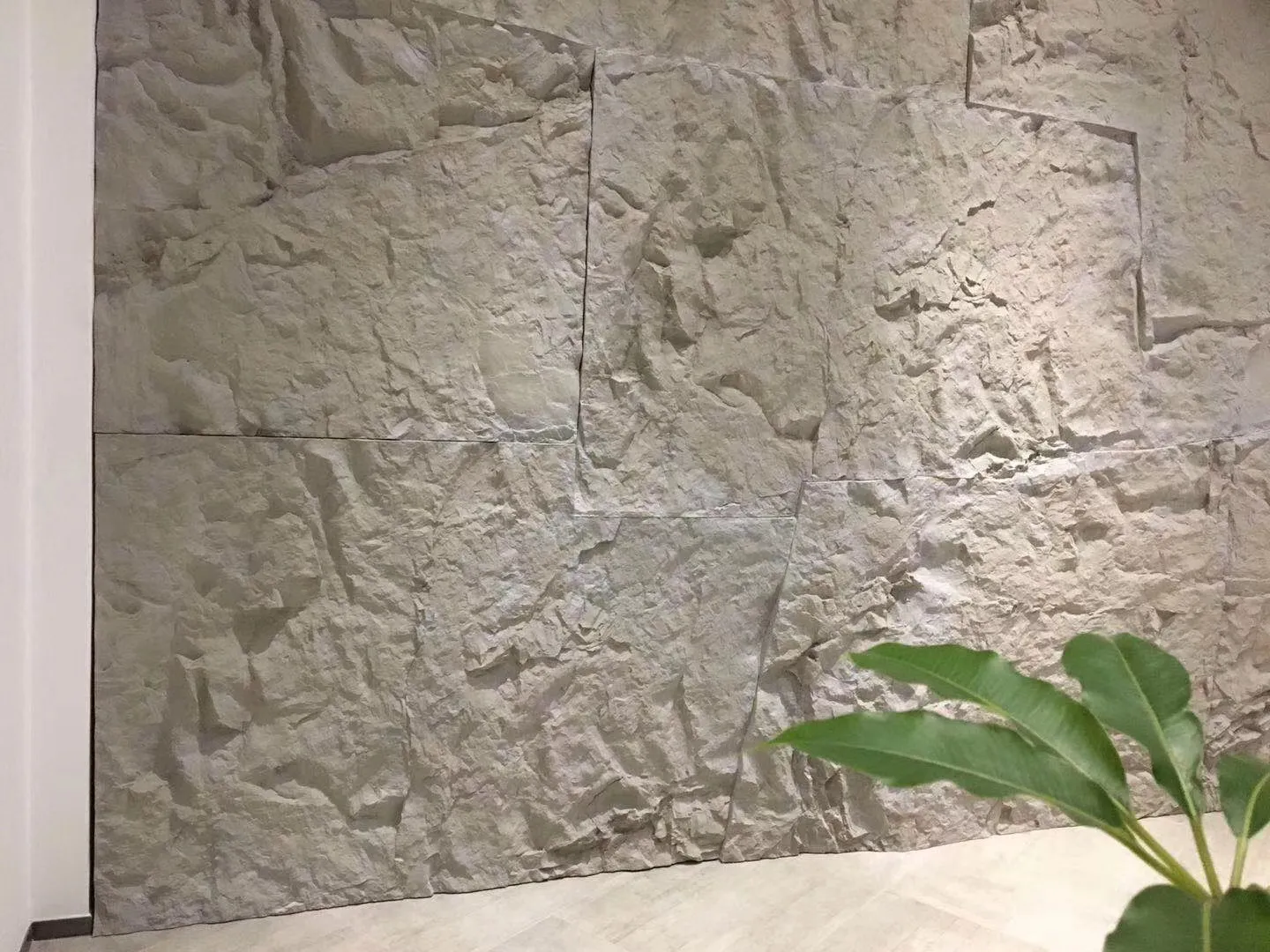
Color consistency in shale slate does not mean every piece is identical — it means the variation falls within an acceptable, pre-agreed range. Here are the critical factors to assess:
Suppliers who own or have exclusive partnerships with specific quarries can offer better color consistency. A single-quarry source means the stone comes from the same geological stratum, reducing the risk of dramatic color shifts between batches. When evaluating a supplier, ask which quarry the slate originates from and whether they can provide geological documentation confirming the deposit's uniformity.
Always request physical samples before placing a bulk order — and insist that the samples are representative of current production stock, not hand-picked showroom pieces. A professional supplier should be able to provide a range of samples showing the natural color spectrum of their slate. For large projects, ask for a "control sample" that the supplier commits to matching within a defined tolerance for all subsequent deliveries.
The same slate can appear quite different depending on the finish. A natural cleft surface absorbs light and appears darker and more muted, while a honed or polished finish brings out the stone's undertones and can make it appear lighter. Confirm with your supplier whether the sample you review has the same finish as your intended order. A reputable building material supplier will clearly document the finish type on every sample and order specification.
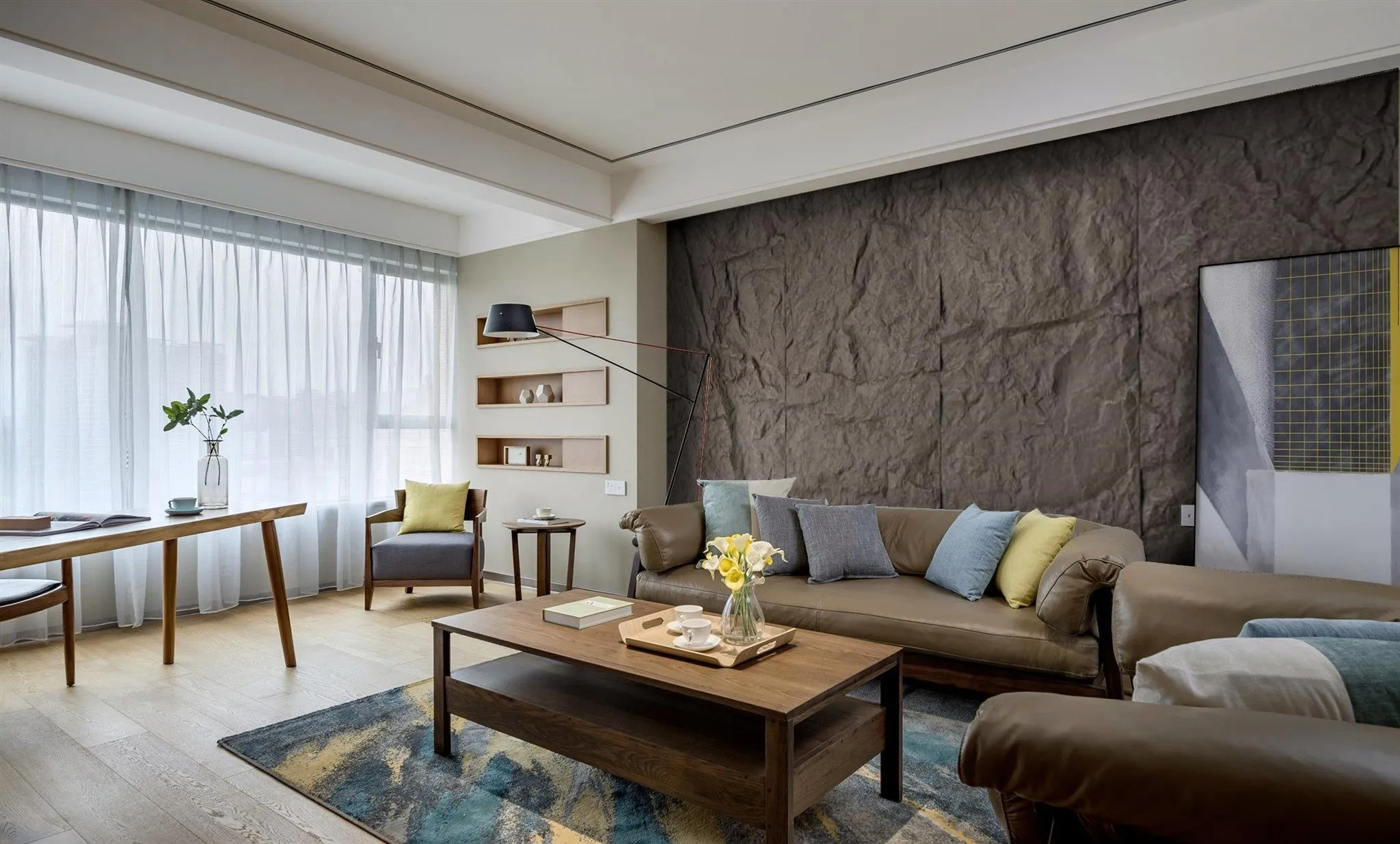
Thickness is one of the most critical technical specifications for shale slate, directly affecting installation method, structural load, and long-term performance. Here is a breakdown of common thickness ranges and their applications:
| Thickness Range | Typical Application | Key Considerations |
|---|---|---|
| 4–6 mm | Roofing tiles, lightweight cladding | Requires careful handling; suitable for overlays |
| 8–12 mm | Interior wall cladding, decorative panels | Good balance of weight and durability |
| 15–20 mm | Flooring, exterior wall cladding | Heavy-duty; suitable for high-traffic areas |
| 20–30 mm | Landscaping, pavers, structural veneer | Maximum durability; requires robust substrate |
Natural cleft slate comes with inherent thickness variation — typically ±3–5 mm per piece. For projects requiring a flush, uniform surface, look for suppliers who offer calibrated thickness (also called gauged slate), where each piece is machined to a consistent thickness with a tolerance of ±1 mm or better. Calibrated slate is especially important for flooring installations where level surfaces are critical, and for modern wall systems that use hidden clip fasteners.
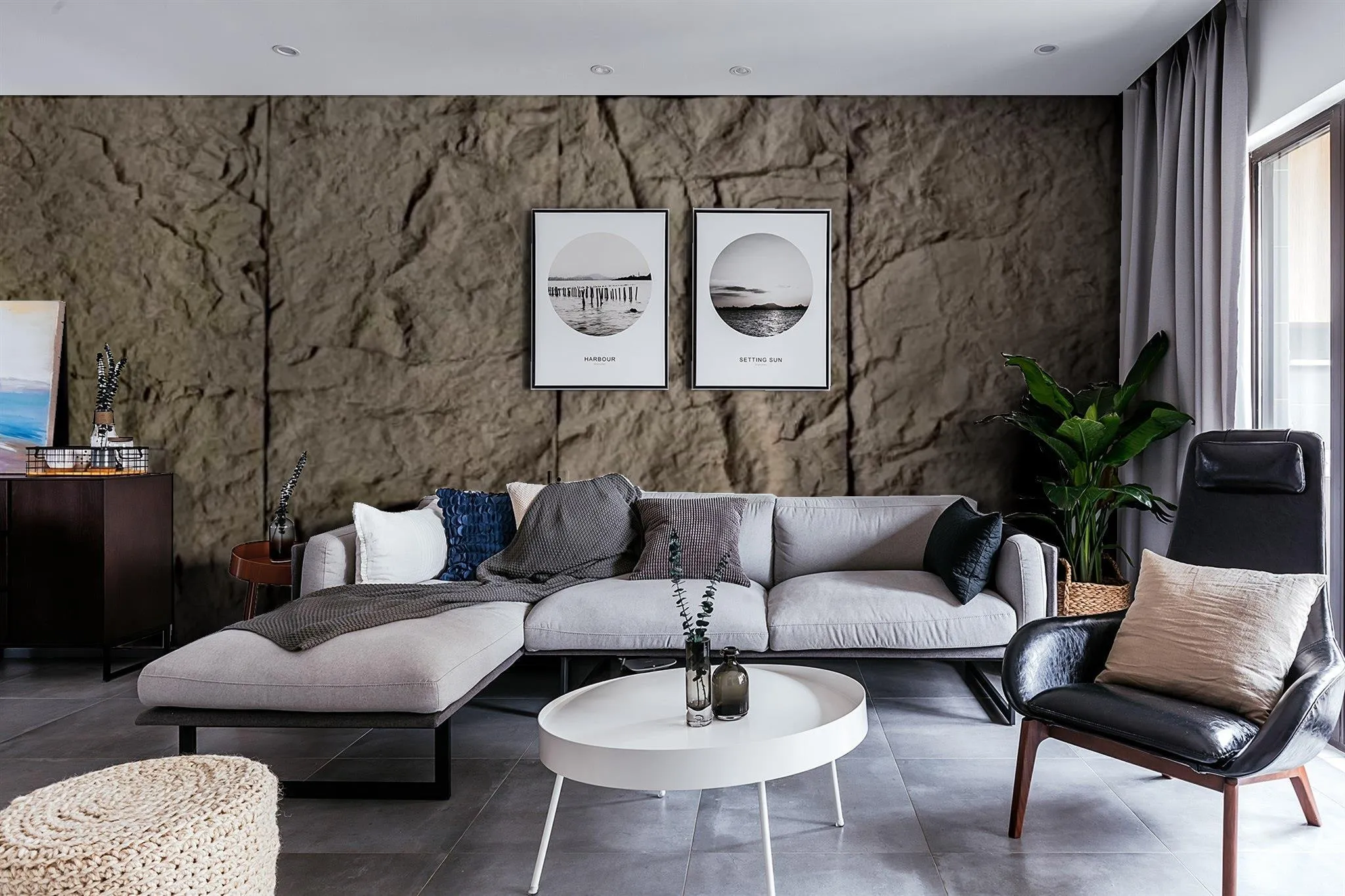
Color and thickness are visible indicators, but true quality runs deeper. A comprehensive vendor assessment should include the following checks:
Ask for third-party test reports covering these key metrics:
Depending on your target market, verify whether the supplier's slate meets relevant standards:
Pro Tip: Three-Stage Verification
Implement a three-stage quality check: (1) Pre-production sampling — test water absorption, compressive strength, and color range before production begins; (2) In-line inspection — have a third-party inspector check dimensional accuracy and surface finish uniformity during loading; (3) Post-delivery assessment — monitor installation behavior, especially for exterior applications exposed to UV, moisture, and thermal cycling.
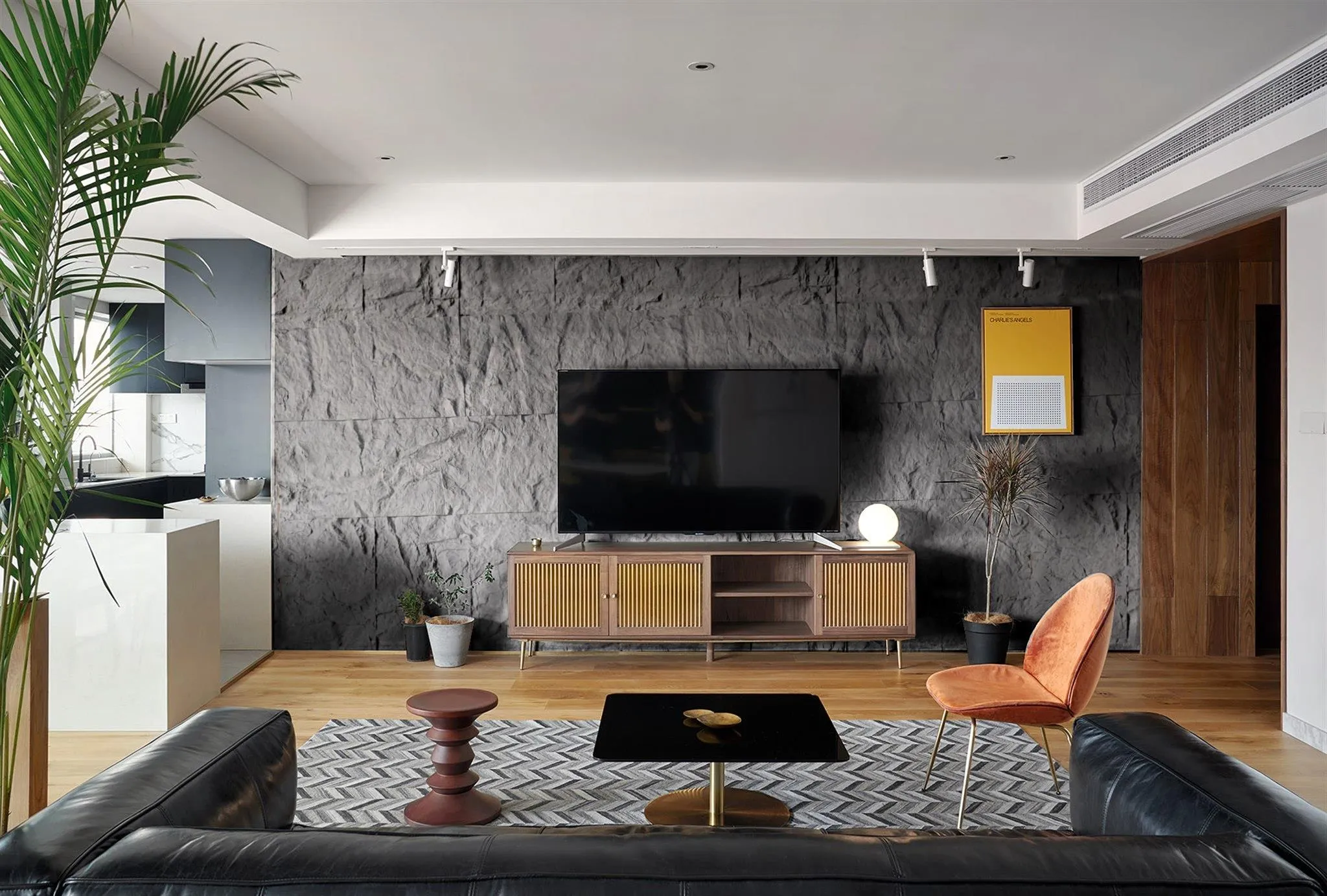
Trade shows such as Coverings, StonExpo, and Xiamen Stone Fair are excellent venues for meeting suppliers face-to-face and inspecting physical samples. Online B2B platforms can supplement your search, but always verify supplier credentials independently — do not rely solely on platform ratings. For projects requiring comprehensive walls solutions, consider working with a supplier who offers a broader product range beyond just stone.
Ask for a portfolio of completed projects, especially those similar in scale and application to yours. A supplier with documented experience in your region or climate zone is more likely to understand local installation challenges. Request references from previous clients — and actually call them to ask about color consistency, thickness accuracy, and after-sales support.
Visit the supplier's facility or arrange a remote video tour if an on-site visit is not feasible. Observe their cutting, gauging, and sorting processes. Suppliers with automated gauging lines and systematic color-sorting procedures are far more likely to deliver consistent results than those relying on manual sorting alone. Also check their inventory management — a supplier who maintains buffer stock of popular colors and thicknesses can fulfill repeat orders with better consistency.
Before signing a contract, ensure the specification sheet includes:
Even after thorough vetting, always place a small trial order before committing to a full container load. This allows you to verify the supplier's quality in a real production run rather than relying on hand-picked samples. A supplier confident in their quality control will not hesitate to accommodate a trial order.
Shale slate rarely exists in isolation on a project. It is typically part of a broader exterior or interior design scheme that includes other wall panels, flooring, and decorative elements. For architects and contractors managing multi-material projects, sourcing from a single coordinated supplier can dramatically reduce logistics complexity and ensure finish compatibility across different material types. For instance, an MCM flexible cladding stone wall panel supplier can complement shale slate installations by providing lightweight alternatives for areas where natural stone weight is a concern. This integrated approach keeps your project timeline on track and your material palette cohesive.
Looking for a Reliable Building Materials Partner?
COLORIA GROUP is a one-stop building materials supplier offering comprehensive walls solutions, flooring, decorative profiles, and custom furniture for residential and commercial projects worldwide. With over a decade of industry experience and a dedicated quality control team, we help architects, contractors, and developers source consistent, high-quality materials — including stone wall panels, decorative cladding, and MCM flexible stone veneers — all from a single trusted partner.
Explore COLORIA GROUPRecommend Products












