
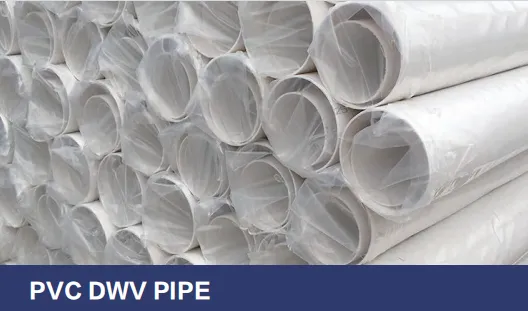
In the fast-paced world of Middle Eastern construction, where residential towers pierce the skyline and commercial complexes redefine cityscapes, every component matters. Among the unsung heroes of these projects are PVC DWV pipes—drain, waste, and vent systems that keep buildings functional, hygienic, and safe. But here's the truth: even the most innovative architectural designs can falter if the pipes hidden behind walls and under floors fail. That's why choosing a reliable PVC DWV pipe supplier isn't just a procurement decision—it's a cornerstone of project success. Whether you're managing a luxury villa development in Riyadh or a sprawling shopping mall in Dubai, the right supplier acts as a silent partner, ensuring your project stays on track, within budget, and built to last.
The Middle East's construction boom has led to a surge in suppliers, each promising quality and efficiency. Yet, not all providers are created equal. From inconsistent product quality to delayed deliveries and poor after-sales support, the risks of choosing the wrong partner are real. This guide will walk you through the critical steps to identify a supplier you can trust, focusing on the unique demands of the region—from extreme temperatures to stringent local regulations. We'll explore why factors like certification, local experience, and product range matter, and how a one-stop architectural solution provider might be the key to simplifying your supply chain. Let's dive in.
Before we jump into selecting a supplier, let's ground ourselves in why PVC DWV pipes are so vital. In simple terms, these pipes form the circulatory system of any building, carrying wastewater away, venting sewer gases, and preventing clogs and backups. In the Middle East, where residential and commercial projects often push the limits of design—think high-rise apartments with hundreds of units or hotels with intricate plumbing layouts—the reliability of these systems is non-negotiable.
PVC (polyvinyl chloride) has become the material of choice for DWV systems for good reason. It's lightweight, corrosion-resistant, and far more affordable than traditional materials like cast iron. But in a region where summer temperatures regularly exceed 45°C and humidity levels can spike, not all PVC pipes are built to withstand the stress. Inferior pipes may warp, crack, or degrade under extreme heat, leading to leaks, mold growth, and costly repairs. That's why sourcing from a supplier who understands the unique climatic challenges of the Middle East isn't just preferable—it's essential.
Consider this scenario: A mid-sized residential building in Abu Dhabi experiences repeated drain blockages six months after completion. An inspection reveals the PVC DWV pipes are too thin, unable to handle the volume of wastewater from 50 units. The result? Disgruntled residents, expensive retrofits, and a damaged reputation for the developer. This isn't a hypothetical—it's a cautionary tale shared by contractors across the region. The root cause? Cutting corners with a supplier that prioritized low costs over quality. Don't let this be your project.
Now that we've established why PVC DWV pipes matter, let's break down the critical factors to consider when vetting suppliers. These aren't just checkboxes—they're the foundation of a partnership that will impact your project's timeline, budget, and long-term durability.
In the construction industry, certifications are your first line of defense against substandard products. For PVC DWV pipes, look for suppliers who adhere to international standards like ASTM D2665 (the benchmark for PVC drainage pipes in the U.S.) and ISO 9001 (quality management systems). But don't stop there—local regulations matter just as much. For example, in Saudi Arabia, the Saudi Standards, Metrology and Quality Organization (SASO) enforces strict guidelines for building materials. A reputable supplier will not only have these certifications in hand but will be able to walk you through how their products meet or exceed them.
Ask to see test reports for UV resistance, impact strength, and chemical tolerance—traits that directly affect performance in the Middle East's harsh climate. A supplier who hesitates to provide this documentation is a red flag. Remember: Certifications aren't just paperwork; they're proof that the product has been rigorously tested to perform under real-world conditions.
There's a big difference between a supplier who ships products globally and one who has boots on the ground in the Middle East. A local or regionally experienced provider understands the nuances of the market: Which contractors prefer certain pipe diameters? How do customs delays at Jebel Ali Port impact delivery timelines? What are the most common plumbing challenges in coastal cities versus inland areas? This knowledge translates to smoother logistics, faster problem-solving, and a product lineup tailored to regional needs.
For example, an upvc pipe supplier with decades of experience in the UAE will know that pipes used in coastal projects need extra protection against saltwater corrosion, while those in Riyadh may require enhanced heat resistance. This level of insight can save you from costly mistakes that come with one-size-fits-all solutions.
Imagine coordinating with five different suppliers for your project: one for PVC DWV pipes, another for upvc pipes, a third for fittings, and so on. Not only does this eat up valuable time, but it also increases the risk of compatibility issues between products. That's where a one-stop architectural solution provider shines. These suppliers offer a holistic range of building materials, from residential essentials like DWV pipes to commercial-grade systems, and even complementary products like fittings, valves, and accessories.
For instance, a supplier that specializes in both PVC DWV pipes and upvc pipes can ensure that your drain and water supply systems work seamlessly together. This not only simplifies your procurement process but also reduces the number of points of contact for troubleshooting. When evaluating suppliers, ask about their full product lineup—you might be surprised how much time (and stress) a comprehensive catalog can save.
No matter how well you plan, questions and challenges will arise during construction. Maybe your team is unsure about the correct pipe thickness for a high-rise's vertical drains, or a last-minute design change requires a custom fitting. In these moments, a supplier's customer support team becomes invaluable. Look for providers who offer more than just order taking—think technical consultants who can visit your site, provide installation guidance, and even help you navigate local building codes.
A residential building materials supplier that prides itself on support might offer free training sessions for your contractors on proper pipe handling, or 24/7 hotlines for issues. Commercial projects, too, benefit from this level of partnership—imagine a mall construction facing a plumbing emergency; having a supplier's expert on call can mean the difference between a minor delay and a project shutdown.
In the Middle East's fast-track construction culture, "on time" often means "yesterday." A supplier can have the best products in the world, but if they can't deliver them when you need them, your project schedule takes a hit. When vetting suppliers, dig into their logistics capabilities: Do they have local warehouses in key hubs like Dubai, Riyadh, or Doha? What's their track record for meeting delivery deadlines during peak construction seasons? Can they handle large orders without compromising lead times?
Also, consider their contingency plans. What happens if a shipment is delayed due to a port strike or a sudden surge in demand? A reliable supplier will have backup inventory or alternative shipping routes to keep your project moving. Don't be afraid to ask for references—speak to other contractors or developers who have worked with them to gauge their reliability.
To help you weigh your options, let's compare two common types of suppliers: specialized PVC DWV providers and one-stop architectural solution providers. Use this table to assess which aligns best with your project's needs.
| Factor | Specialized PVC DWV Supplier | One-Stop Architectural Solution Provider |
|---|---|---|
| Product Focus | Deep expertise in DWV pipes; may offer limited fittings or accessories. | Broad range: DWV pipes, upvc pipes, flooring, cladding, and more. |
| Procurement Efficiency | Requires coordinating with other suppliers for complementary products. | Streamlines ordering with a single point of contact. |
| Technical Support | Specialized knowledge in DWV systems but limited in other areas. | Cross-functional expertise across building materials. |
| Cost | May offer lower prices for bulk DWV orders. | Potential for bundled discounts across multiple product lines. |
| Best For | Small projects with simple plumbing needs; budget-focused buyers. | Large residential/commercial projects; teams prioritizing convenience. |
Suppliers will always highlight their strengths, but it's up to you to verify their claims. Here's how to separate the talkers from the doers:
A reputable supplier will gladly provide samples of their PVC DWV pipes. Inspect them for thickness, uniformity, and finish—rough edges or inconsistent wall thickness are red flags. Ask for third-party test reports proving compliance with ASTM, SASO, or other relevant standards. If they claim their pipes can withstand high temperatures, request thermal resistance test data specific to Middle Eastern conditions.
If possible, arrange a visit to their warehouse or regional office. This gives you a firsthand look at their inventory management, storage conditions (pipes should be kept dry and protected from sunlight), and quality control processes. A disorganized warehouse with damaged or improperly stored products is a warning sign.
Any supplier can list "satisfied clients," but genuine feedback tells the real story. Ask for references from projects similar to yours—preferably in the same country or climate zone. Reach out to these contacts and ask: Did the supplier deliver on time? Were there any quality issues? How responsive was their customer support team when problems arose?
Events like The Big 5 in Dubai or Saudi Build in Riyadh are excellent opportunities to meet suppliers in person. These shows let you compare products side by side, attend technical workshops, and gauge a supplier's industry reputation. Suppliers who invest in booths and presentations at these events often demonstrate a commitment to the regional market.
Even the most diligent buyers can fall into traps when selecting a supplier. Here are three mistakes to steer clear of:
It's tempting to opt for the lowest bid, but cheap pipes often come with hidden costs. Thinner walls, poor chemical resistance, or non-compliant materials can lead to leaks, rework, and even legal issues if local authorities reject the installation. As one Dubai-based contractor put it: "I once saved 10% on pipes for a hotel project, but spent 30% more fixing leaks in the first year. Never again." Prioritize value over upfront savings.
International certifications are important, but they don't always replace local approval. For example, a pipe certified in Europe may not meet the specific UV resistance requirements set by the Emirates Authority for Standardization and Metrology (ESMA). Failing to check local compliance can result in project delays, fines, or even forced replacements.
Many suppliers are eager to close the sale but disappear once the pipes are delivered. Don't assume warranty claims will be handled smoothly—ask for a clear written warranty, including details on coverage duration, repair/replacement processes, and who bears the cost of labor for fixes. A supplier who hesitates to commit to after-sales support is not a partner for the long haul.
Finding a reliable PVC DWV pipe supplier in the Middle East is about more than checking boxes on a list—it's about building a relationship with a partner who understands your project's unique demands. From navigating local regulations to ensuring products withstand the region's harsh climate, the right supplier becomes an extension of your team, contributing to your project's success in ways that go beyond the bottom line.
As you embark on this search, remember to prioritize quality certifications, local experience, and comprehensive support. Whether you choose a specialized provider or a one-stop architectural solution provider, let your decision be guided by your project's scale, timeline, and long-term goals. And when in doubt, trust your due diligence—request samples, check references, and visit their operations. After all, the pipes beneath your building may be out of sight, but their impact on your project's success is anything but invisible.
In the end, a reliable supplier doesn't just deliver products—they deliver peace of mind. And in the high-stakes world of Middle Eastern construction, that's an investment worth making.
Recommend Products












