
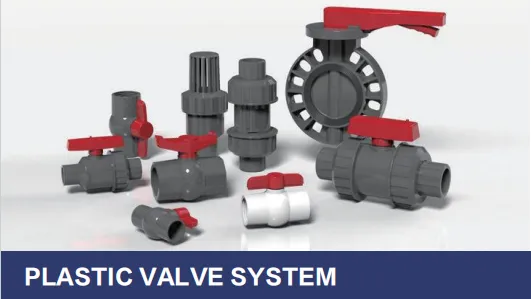
Plastic valve systems are the unsung heroes of modern infrastructure. From the pipes that carry water in your home to the complex networks in commercial buildings, these systems work tirelessly behind the scenes to ensure smooth flow and functionality. But like any hardworking component, they need care to keep performing at their best. As a plastic valve system supplier with years of experience, we've seen firsthand how proper maintenance can turn a system that lasts 5 years into one that serves reliably for 15 or more. In this guide, we'll share practical, supplier-backed tips to help you extend the lifespan of your plastic valve systems, whether you're a homeowner, a facility manager, or a contractor working with residential or commercial projects. We'll also touch on how partnering with the right plastic valve system solutions provider can make maintenance easier, more effective, and even cost-saving in the long run.
Before diving into maintenance, let's take a moment to understand what plastic valve systems are and why they're so widely used. Unlike metal valves, plastic variants—made from materials like PVC, PPR, and PEX—offer unique advantages: they're lightweight, corrosion-resistant, affordable, and easy to install. These qualities make them a top choice for everything from residential plumbing (think PVC DWV pipe systems that handle drain, waste, and vent water) to industrial applications where chemical resistance is critical.
But not all plastic valve systems are created equal. As a plastic valve system supplier , we often emphasize that the type of system you choose depends on its purpose. For example, PPR pipe and fitting systems are ideal for hot water lines because of their heat resistance, while PEX pipes excel in cold climates due to their flexibility and freeze tolerance. Even within a single material, like PVC, there are variations: PVC DWV pipe suppliers focus on pipes designed for non-pressurized waste systems, while other PVC pipes are built to handle high pressure. Understanding these differences is the first step in maintaining your system—because what works for a PPR hot water valve might not be right for a PVC DWV valve.
At their core, plastic valve systems consist of three key components: the valves themselves (which control flow), the pipes (which transport fluids), and the fittings (which connect everything). Each part has its own maintenance needs, but they're all interconnected. A small leak in a fitting, for instance, can put extra strain on a valve, leading to premature wear. That's why a holistic maintenance approach—one that considers the entire system—is essential.
To keep your system healthy, it helps to know what's working against it. Over the years, we've identified the top reasons plastic valve systems fail before their time. Here are the usual suspects:
1. Chemical Exposure: Plastic is resistant to many chemicals, but harsh cleaners (like those with sulfuric acid) or industrial fluids can degrade the material over time. For example, using a heavy-duty drain cleaner on a PVC DWV system might eat away at the valve seals, causing leaks.
2. Temperature Extremes: While materials like PPR and PEX handle heat well, sudden temperature swings can cause plastic to expand and contract, weakening joints and valves. This is especially common in outdoor systems or uninsulated areas like attics.
3. Improper Installation: Even the best plastic valve system solutions can fail if installed incorrectly. Over-tightening fittings, using mismatched components (like pairing a PPR valve with a PVC pipe), or ignoring manufacturer torque guidelines can create stress points that lead to cracks.
4. Lack of Lubrication: Valves with moving parts (like ball valves or gate valves) rely on lubrication to open and close smoothly. Without it, friction wears down seals and can even cause valves to seize up.
5. Sediment Buildup: Minerals, debris, or even algae in the fluid can accumulate inside valves, blocking flow and causing the valve to work harder. In systems with hard water, limescale buildup is a frequent issue—imagine trying to open a valve that's half-clogged with mineral deposits; it's a recipe for strain.
6. Physical Damage: Accidental impacts (like a shovel hitting an underground pipe) or excessive pressure (from a water hammer) can crack valves or fittings. Even something as simple as stepping on an exposed pipe in a crawl space can cause hidden damage that worsens over time.
The good news? All these issues are preventable with the right maintenance. Let's explore how.
Now, let's get to the actionable stuff. These tips come directly from our experience as a plastic valve system supplier and feedback from customers who've kept their systems running for decades. Think of them as a maintenance playbook—simple, effective, and tailored to plastic's unique needs.
You wouldn't wait for your car to break down to check the oil, right? The same logic applies to plastic valve systems. Regular inspections are the single most effective way to extend their lifespan. Here's how to do it:
What to Look For: Start with visual checks. Look for leaks around valves and fittings—even a tiny drip can indicate a loose connection or worn seal. Check for discoloration (a sign of chemical damage) or warping (a red flag for heat or pressure issues). For buried pipes or hard-to-reach areas, listen for unusual sounds: gurgling could mean a blockage, while hissing might signal a leak.
How Often: For residential systems, a quick monthly check is enough. For commercial or industrial systems, step it up to biweekly—especially if they handle high volumes or harsh fluids. After extreme weather (like a freeze or heatwave), do an extra inspection; temperature swings are tough on plastic.
Pro Hack: Keep a inspection log. Note dates, findings, and any repairs. Over time, you'll spot patterns—like a valve that consistently loosens in winter—which can help you address root causes instead of just symptoms.
Plastic loves gentle care. While it's tempting to use heavy-duty cleaners to blast away grime, many of these products can eat away at plastic over time. As a PPR pipe and fitting supplier , we've seen too many systems damaged by well-meaning but misinformed cleaning.
Safe Cleaning Solutions: Stick to mild, non-abrasive cleaners. For most cases, warm water and a soft brush (like a toothbrush for small valves) work wonders. For stubborn buildup (like limescale), use a vinegar solution (1 part vinegar to 3 parts water)—let it sit for 30 minutes, then rinse thoroughly. Avoid anything with bleach, ammonia, or strong acids unless specifically recommended by your supplier.
Cleaning Valves: When cleaning a valve, first turn off the water supply and relieve pressure (open a faucet downstream to let water drain). Remove the valve handle if possible, and gently wipe the internal components with a damp cloth. For ball valves, rotate the handle a few times after cleaning to distribute any residual moisture evenly.
Valves with moving parts (ball valves, gate valves, check valves) rely on lubrication to function. Without it, friction between components can wear down seals, making the valve hard to open or close—and eventually causing leaks.
Choose the Right Lubricant: Not all lubricants are safe for plastic. Avoid petroleum-based products (like motor oil), which can degrade plastic over time. Instead, use a silicone-based or Teflon-based lubricant—these are plastic-friendly and won't break down in water. As a plastic valve system solutions provider, we often supply lubrication kits designed specifically for our valves, so ask your supplier for recommendations.
How to Apply: For ball valves, apply a small amount of lubricant to the valve stem (the part that connects the handle to the ball). For gate valves, focus on the screw mechanism. Work the handle back and forth a few times to distribute the lubricant evenly. Do this every 6 months for residential systems, or quarterly for high-use commercial systems.
Plastic has limits when it comes to pressure and heat. Exceeding them is a surefire way to shorten your system's lifespan. For example, PPR pipes are rated for temperatures up to 95°C (203°F), but if you consistently run water hotter than that, the plastic can weaken. Similarly, PVC DWV pipes aren't designed for high pressure—using them in a pressurized system is a recipe for disaster.
Know Your System's Ratings: When you first install the system, keep the manufacturer's specs handy (or ask your supplier for a copy). Note the maximum pressure (measured in psi) and temperature limits. For example, PPR pipe and fitting suppliers typically rate their products for 10 bar (145 psi) at 70°C (158°F). If your system regularly approaches these limits, consider upgrading to a higher-rated product.
Prevent Water Hammer: Water hammer—those loud "knocks" you hear when a faucet is turned off suddenly—happens when water flow stops abruptly, creating a shockwave that can damage valves and pipes. To prevent it, install water hammer arrestors (small devices that absorb the shock) near appliances like washing machines or dishwashers. Your supplier can help you choose the right size and type for your system.
Even with perfect maintenance, parts will wear out eventually. Seals dry out, gaskets crack, and O-rings lose elasticity. The key is to replace these parts before they cause bigger problems.
Signs a Part Needs Replacement: Leaks that don't stop with tightening, valves that stick or won't fully close, or visible cracks in fittings are all signs it's time for a new part. Don't ignore these—putting off replacement can lead to water damage, mold, or even system failure.
Use Genuine Parts: When replacing parts, always go with genuine components from your plastic valve system supplier . Generic parts might be cheaper, but they're often made with lower-quality materials or imprecise dimensions. A mismatched O-ring, for example, might not seal properly, leading to leaks. As a supplier, we stand behind our parts—and using them ensures your system stays under warranty (if applicable).
DIY or Pro? Simple replacements (like a worn washer) can be done by homeowners with basic tools. For complex parts (like a valve body) or hard-to-reach areas, call a professional. It's better to pay for a plumber now than to deal with a flooded basement later.
To make maintenance easier, we've put together a handy schedule based on our experience as a plastic valve system supplier . Print it out, stick it on your fridge, or save it to your phone—whatever works for you!
| Task | Frequency | Key Steps |
|---|---|---|
| Visual Inspection | Monthly (residential); Biweekly (commercial) | Check for leaks, discoloration, warping; listen for unusual sounds. |
| Clean Valves/Fittings | Quarterly | Use mild soap and water; avoid harsh chemicals. Rinse thoroughly. |
| Lubricate Moving Parts | Every 6 months (residential); Quarterly (commercial) | Apply silicone/Teflon lubricant to stems and screws; work handle to distribute. |
| Pressure/Temp Check | Bi-annually | Use a pressure gauge to ensure system stays within rated limits; monitor water heater temps. |
| Seal/Fitting Replacement | As needed (when leaks or wear are noticed) | replace with genuine parts from your supplier; tighten connections to specs. |
Even with the best maintenance, issues can pop up. Here's how to troubleshoot the most common problems, based on our experience helping customers as a plastic valve system supplier .
Problem: Valve Won't Open/Close Smoothly
Cause:
Lack of lubrication or debris buildup.
Solution:
Clean the valve with mild soap and water, then apply silicone lubricant. If that doesn't work, check for debris—use a pipe snake to clear blockages upstream.
Problem: Leak Around a Fitting
Cause:
Loose connection or worn seal.
Solution:
Tighten the fitting with a wrench (be careful not to over-tighten—plastic can crack!). If leaking persists, replace the seal or fitting with a genuine part.
Problem: Discolored or Warped Pipes
Cause:
Chemical exposure or excessive heat.
Solution:
Identify the source (e.g., a harsh cleaner, a water heater set too high). Stop using the chemical or adjust the temperature. replace discolored/warped sections—they're weakened and prone to failure.
Problem: Low Water Pressure
Cause:
Blockage in the valve or pipe.
Solution:
Check the valve—ensure it's fully open. If that's not it, disconnect the pipe downstream and use a flashlight to look for debris. For stubborn blockages, use a plunger or pipe snake (avoid chemical drain cleaners!)
Extending the lifespan of your plastic valve system isn't just about DIY maintenance—it's also about building a relationship with your supplier. A good plastic valve system supplier isn't just a vendor; they're a partner who can help you choose the right products, troubleshoot issues, and stay updated on the latest maintenance best practices.
Here's how to make the most of that partnership:
Ask for Training: Many suppliers offer free or low-cost training for contractors and facility managers. This can teach you how to install, maintain, and repair their specific systems—knowledge that's invaluable for long-term care.
Stay Informed About Upgrades: Plastic valve technology evolves, and newer systems often come with improved durability and easier maintenance. Your supplier can alert you to upgrades that might benefit your system—like a new PPR valve design with better heat resistance.
Buy Spare Parts in Advance: For critical systems (like those in hospitals or manufacturing plants), keep spare valves, seals, and fittings on hand. Your supplier can help you create a "spare parts kit" tailored to your needs, so you're never caught off guard by a breakdown.
Plastic valve systems are built to last—but they need a little love to reach their full potential. By inspecting regularly, cleaning gently, lubricating properly, and respecting their pressure/temp limits, you can add years to your system's lifespan. And remember: you're not in this alone. As a plastic valve system supplier , we're here to help with everything from maintenance tips to replacement parts. After all, your success is our success.
So, take a few minutes this month to check your valves. Grab a flashlight, look for leaks, and maybe lubricate a stem or two. It might seem small, but those little actions will pay off in a system that runs smoothly, reliably, and cost-effectively for years to come. Here's to many more years of hassle-free flow!
Recommend Products












