
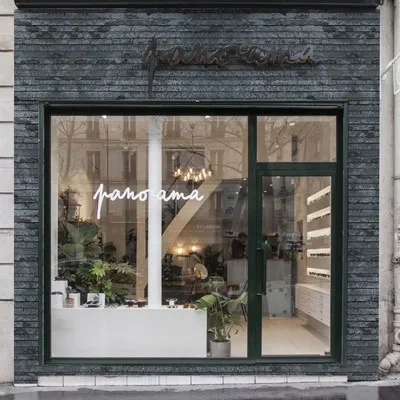
Mediterranean architecture is characterized by earthy color palettes, textured surfaces, and a seamless blend of indoor and outdoor living. Natural stone cladding plays a central role in achieving this aesthetic. Muretto stone, a composite material made from crushed natural stone aggregates combined with polymers and binders, is particularly well-suited for Mediterranean projects. It delivers the authentic look of quarried stone while offering advantages in weight, flexibility, and ease of installation.
When sourcing muretto stone for a Mediterranean project, the supplier must understand the regional aesthetic demands: warm beige tones that echo sun-baked earth, soft grey hues reminiscent of coastal cliffs, and surfaces that age gracefully under intense sunlight and salt-laden air. A competent decorative profiles supplier should offer a range of color variants and textures that align with these design principles.
As a leading building material supplier, COLORIA GROUP understands these requirements deeply. With a comprehensive product portfolio spanning 13 categories — from walls and flooring to windows, doors, and decorative profiles — the company provides a one-stop solution that simplifies procurement for complex Mediterranean construction projects.
The first step in evaluating any muretto stone supplier is understanding what goes into the product. High-quality muretto stone should contain a significant proportion of natural stone aggregates, giving it the authentic texture and visual depth that Mediterranean projects demand. Ask the supplier for detailed material composition data: what percentage of the product is natural stone, what binders are used, and whether recycled materials are incorporated.
A reliable supplier should also be transparent about their manufacturing process. Factory-based manufacturers who control production in-house generally offer better consistency than trading companies that source from multiple workshops. Request the factory address, production line details, and recent production photos to verify the supplier's manufacturing capability. COLORIA GROUP, for example, operates its own production facilities and maintains full control over the entire manufacturing workflow, from raw material selection to final quality inspection.
Mediterranean projects require specific aesthetic qualities: warm, earthy tones, natural-looking surface variations, and textures that complement traditional materials like terracotta, wrought iron, and exposed timber. When evaluating a muretto stone supplier, request physical samples across their full color range and examine them under different lighting conditions — including the bright, direct sunlight typical of Mediterranean climates.
The best muretto stone products for Mediterranean applications typically come in three core variants:
Examine the surface texture carefully. Mediterranean architecture values materials that show natural irregularity — subtle pits, gentle ridges, and organic color variation. These are not defects but the fingerprints of a well-made product that captures the authentic character of natural stone. A supplier whose samples look too uniform may be producing an overly synthetic product that lacks the character Mediterranean projects require.
Mediterranean climates present unique challenges: intense UV exposure, salt spray in coastal areas, temperature fluctuations between day and night, and occasional heavy rainfall. The muretto stone you select must withstand these conditions without fading, cracking, or delaminating over time.
Request third-party test reports from the supplier covering the following performance metrics:
A thorough supplier should be able to provide documentation for all these parameters. If the supplier hesitates or cannot produce test reports, this is a significant red flag indicating that their product may not have been independently verified for demanding Mediterranean conditions.
One of the most significant risks in sourcing muretto stone for large Mediterranean projects is batch inconsistency. Natural stone aggregates vary by quarry source, and even minor changes in raw materials can produce noticeable color differences between production batches. For a project that may span multiple construction phases or require future expansion, batch consistency is non-negotiable.
Ask the supplier how they define and control tone ranges. A responsible supplier will have a systematic approach: selecting consistent raw material sources, processing slabs in controlled batches, grading and grouping by tone and texture, and labeling each batch clearly for traceability. They should also maintain a raw material reservation strategy that ensures future orders can match the original installation.
Request examples of the supplier's quality control workflow, including incoming material inspection, in-process checks, and final inspection procedures. The supplier should be able to explain how they handle defects, what triggers a remake or rejection, and how they document quality assurance throughout the production cycle. A supplier with a documented QC system is far more reliable than one whose quality depends on individual worker judgment.
Mediterranean projects often involve international shipping, and the journey from factory to site can be long and demanding. The supplier's export packaging capability is as important as the product quality itself. Poor packaging leads to damaged goods, project delays, and costly disputes that can derail even the most carefully planned construction timeline.
Evaluate the supplier's packaging standards by requesting recent packing photos and a detailed description of their packing methodology. For muretto stone panels, proper packaging should include:
Ask about documentation readiness as well: how quickly can the supplier prepare commercial invoices, packing lists, certificates of origin, and any other documents required by the destination country's customs authority? A supplier with a smooth, efficient documentation workflow helps keep your project firmly on schedule.
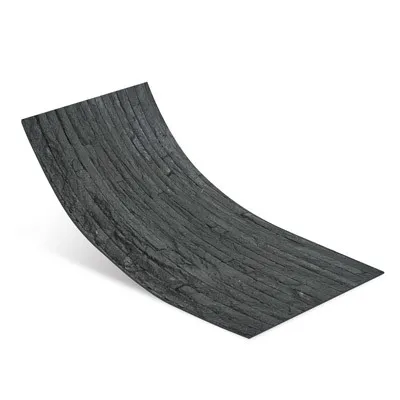
Mediterranean construction projects typically require far more than just wall cladding. Flooring, roofing, sanitary fixtures, windows, doors, and decorative profiles all need to work together harmoniously to achieve the cohesive, timeless aesthetic that defines Mediterranean architecture. Working with a building material supplier that offers a comprehensive product range can significantly streamline procurement, reduce coordination complexity, and ensure material compatibility across the entire project.
A one-stop supplier who understands the full scope of Mediterranean architecture can provide valuable guidance on how muretto stone interacts with other materials — which flooring options complement beige muretto stone walls, which window frame finishes pair well with dark grey cladding, and how decorative profiles can create seamless transitions between different surfaces. COLORIA GROUP, with its 13 product categories and over 560 products, offers precisely this kind of integrated sourcing solution.
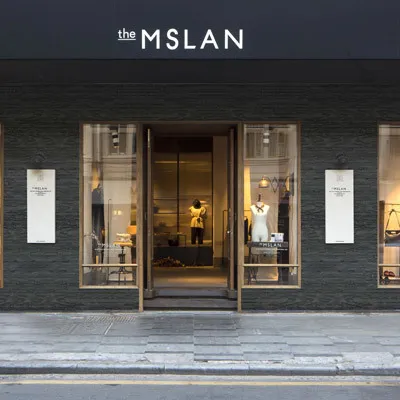
After evaluating suppliers against the criteria above, narrow your shortlist to candidates who demonstrate strength in all five areas: material authenticity, aesthetic compatibility, technical performance, quality control, and export capability. For Mediterranean projects where attention to detail and long-term durability are paramount, prioritize suppliers who can provide evidence of successful projects in similar climates and who maintain transparent, responsive communication throughout the sourcing process.
The right muretto stone supplier is not just a vendor — it is a partner in bringing your Mediterranean architectural vision to life. Take the time to evaluate thoroughly, request proof sets and physical samples, and if possible, arrange a factory visit to confirm production reality before placing a volume order. A well-chosen supplier will deliver material that not only meets your project specifications but enhances the timeless beauty that makes Mediterranean architecture so enduringly appealing for generations to come.
Recommend Products












