

Sourcing decorative profiles for international projects involves more than comparing product samples. When you are importing materials like Lunar Peak — a specialty decorative stone panel used in architectural facades, interior feature walls, and high-end commercial spaces — the supplier's shipping capabilities can make or break your project timeline and budget. This guide walks you through the key factors to evaluate when choosing a lunar peak supplier with reliable international shipping capabilities.
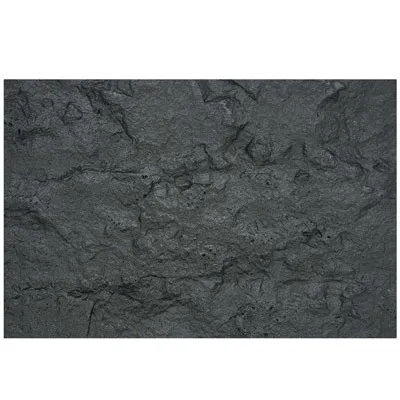
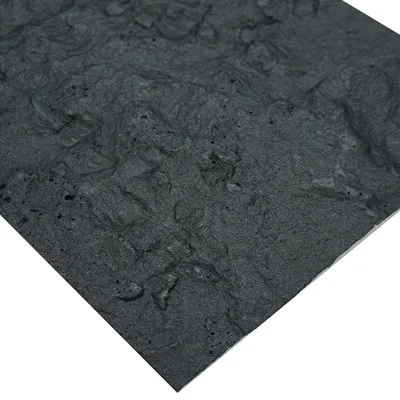
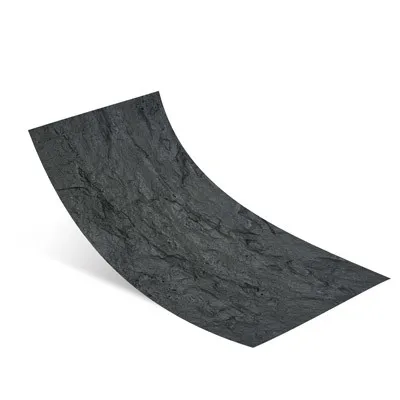
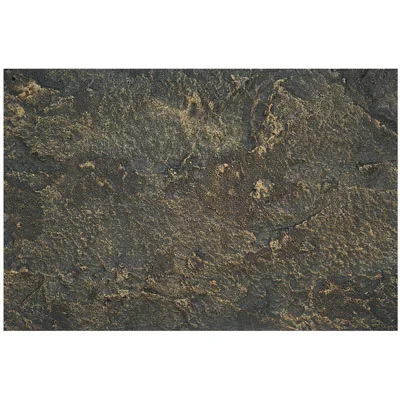
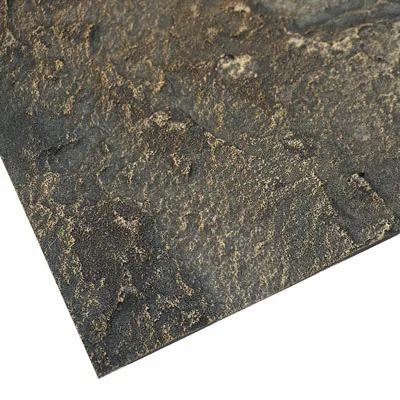
Lunar Peak is a decorative profile product that falls under the broader category of architectural surface materials. It is typically supplied as large-format panels or slabs, making packaging, handling, and freight logistics critical components of the supply chain. A qualified lunar peak solutions provider should demonstrate clear knowledge of how the product behaves during long-distance transport — including its weight, fragility, and susceptibility to humidity or temperature changes.
Before diving into shipping logistics, confirm that the supplier has a dedicated export department. Suppliers who regularly ship to multiple regions — the Middle East, Southeast Asia, Africa, Europe, and the Americas — tend to have established workflows for documentation, customs clearance, and freight coordination. As a decorative profiles supplier with global reach, a company like COLORIA GROUP, which maintains an overseas agent in Saudi Arabia and ships to clients worldwide, exemplifies the kind of export-ready infrastructure you should look for.
The first practical question is: what shipping modes does the supplier support? For decorative profiles like Lunar Peak, ocean freight (FCL or LCL) is the most common method for bulk orders, while air freight may be suitable for urgent smaller shipments. A capable supplier should offer:
Ask the supplier to provide a port-to-port or door-to-door shipping timeline for your specific destination country. An experienced exporter will give you realistic estimates rather than optimistic promises.
International shipping of decorative panels requires specialized packaging. Poor packaging is one of the most common causes of product damage during transit. When evaluating a supplier, examine their packaging protocol:
Request photos of actual export packaging from previous shipments. A reputable supplier will be happy to share these. If possible, ask for a video of the packing process for your order — this simple step can prevent disputes later.

One of the biggest pain points in international sourcing is customs clearance. Delays at the port can result in demurrage fees, storage charges, and project timeline disruptions. A competent supplier should provide a complete set of export documents, including:
Beyond providing documents, the supplier should demonstrate knowledge of your country's import regulations. For instance, some countries require specific fire-rating certifications for building materials, or compliance with VOC emission standards. A supplier with international experience will proactively ask about these requirements rather than waiting for you to discover them at customs.
| Evaluation Area | What to Check | Red Flags |
|---|---|---|
| Export Experience | Years of export history, countries served, reference clients | Cannot provide export references or shipping records |
| Shipping Partners | Relationships with major carriers (Maersk, MSC, COSCO, etc.) | No established freight forwarder relationships |
| Packaging | ISPM 15 compliant crates, protective wrapping, moisture barriers | Generic cardboard packaging for heavy panels |
| Documentation | Complete and accurate export documents provided on time | Delays in providing documents; errors in paperwork |
| Insurance | Cargo insurance coverage options offered | No insurance options; all risk on buyer |
| Incoterms | Clear and flexible Incoterms (FOB, CIF, DDP, etc.) | Insists on EXW only with no logistics support |
| Communication | Responsive, English-proficient, provides tracking updates | Slow response; vague answers about shipping details |
| After-Sales | Damage claim process, replacement policy for transit damage | No clear process for handling shipping damage claims |

Before committing to a large order, request a sample shipment to your destination. This gives you a real-world test of the supplier's packaging quality, documentation accuracy, shipping speed, and communication throughout the process. Pay attention to how the sample arrives — is the packaging intact? Are the panels undamaged? Was the delivery on time?
If you are sourcing multiple product categories — walls, flooring, sanitary fixtures, and decorative profiles — from a single supplier, ask whether they offer consolidation services. A one-stop building materials supplier can combine different product types into a single container, significantly reducing your per-unit shipping cost. This is particularly valuable for comprehensive construction projects where you need various materials shipped together.
A supplier may have excellent shipping capabilities to Europe but limited experience with the Middle East or Africa. Ask specifically about shipments to your country or region. How many containers have they shipped there? What were the average transit times? Did they encounter any customs issues? A supplier with an established agent or representative in your region — as COLORIA GROUP maintains in Saudi Arabia — adds an extra layer of reliability for local coordination and after-sales support.
Shipping costs for decorative profiles can vary significantly depending on fuel surcharges, peak season adjustments, and port congestion. A trustworthy supplier provides transparent cost breakdowns rather than lump-sum quotes. Ask for a detailed quotation that separates:
Be cautious of suppliers who quote only the product price and say "shipping will be calculated later." While exact freight costs do fluctuate, an experienced exporter can give you a close estimate based on recent shipments to your region.
International shipping inevitably involves variables — port congestion, customs inspections, weather delays. The difference between a stressful experience and a manageable one often comes down to communication. Evaluate the supplier's responsiveness during the inquiry phase: do they reply within 24 hours? Do they answer all your questions thoroughly or provide vague responses? A supplier who is slow to communicate during the sales process is unlikely to improve after you have placed the order.
Also confirm that the supplier provides proactive shipment tracking. Ideally, you should receive container or AWB tracking numbers as soon as the shipment departs, along with estimated arrival dates. Some suppliers offer a dedicated account manager who keeps you updated at each milestone.
Conclusion
Evaluating a lunar peak supplier for international shipping capabilities requires a systematic approach that goes beyond product quality and pricing. By examining the supplier's packaging standards, documentation expertise, shipping mode options, regional experience, and communication practices, you can significantly reduce the risk of damaged goods, customs delays, and unexpected costs. A reliable lunar peak supplier with strong international logistics capabilities is not just a vendor — they are a partner who helps your project stay on schedule and within budget, no matter where in the world you are building.
Recommend Products












