
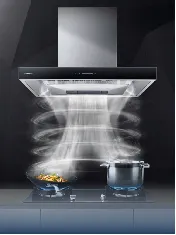
A kitchen hood is more than a functional appliance — it is a long-term investment in your kitchen's air quality, safety, and comfort. Whether you are a contractor sourcing for a large-scale residential project, a hotel procurement manager, or a homeowner renovating your kitchen, the quality and service of your kitchen hood supplier directly affect the performance and lifespan of the product. This guide outlines the key criteria to help you make an informed decision.
The first thing to examine is the build quality of the kitchen hood. A well-made hood features a robust motor, durable housing materials such as stainless steel or tempered glass, and effective multi-layer filtration systems. Check whether the supplier uses high-grade components — for example, copper-wound motors generally offer better heat resistance and longer service life compared to aluminum-wound alternatives.
Beyond the product itself, look into the supplier's manufacturing facility. A factory equipped with automated production lines, precision stamping machines, and laser cutting equipment consistently delivers products with tighter tolerances and fewer defects. Ask for a factory tour — either virtually or in person — to observe the production environment and quality control checkpoints firsthand.
Request product samples before committing to bulk orders. Examine the surface finish, weld quality, switch responsiveness, and noise level during operation. A reputable supplier is confident in their craftsmanship and will readily provide samples for evaluation.
Certifications are a reliable indicator of a supplier's commitment to quality and safety. For kitchen hoods, the most relevant certifications include:
Always verify the validity of certifications by cross-referencing certificate numbers with the issuing body's online database. A supplier that maintains up-to-date certifications across multiple markets demonstrates a serious commitment to international standards.
Quality customer service distinguishes a reliable partner from a transactional vendor. Evaluate how responsive the supplier is during the initial inquiry stage: do they reply within 24 hours? Do their answers address your specific questions, or are they generic templates?
Key service indicators to assess include:
A supplier that offers comprehensive kitchen hood solutions — from product selection and customization to logistics and post-installation support — saves you time and reduces project risk compared to dealing with multiple vendors.
On-time delivery is critical, especially for construction and renovation projects with fixed schedules. Ask potential suppliers about their average lead times, production capacity, and shipping partners. A supplier with a diversified logistics network can offer flexible shipping options — sea freight for cost-sensitive bulk orders, air freight for urgent requirements, and rail freight as a balanced alternative.
Also consider the supplier's export experience. A supplier familiar with international trade handles documentation — including commercial invoices, packing lists, certificates of origin, and bills of lading — efficiently, minimizing customs delays at the destination port.
| Evaluation Factor | What to Look For | Red Flags |
|---|---|---|
| Lead Time | Clearly stated production timeline with written confirmation | Vague promises without a production schedule |
| Packaging | Export-grade packaging with foam padding and reinforced corners | Standard domestic packaging for international orders |
| Documentation | Complete set of export documents provided proactively | Reluctance to provide compliance certificates |
| Communication | Regular updates on order status and shipping progress | Slow or unresponsive after order confirmation |
Price is important, but the lowest quote rarely represents the best value. A comprehensive cost analysis should factor in:
A supplier's history speaks volumes about their reliability. Research the company's background: how many years have they been in business? Do they have experience supplying to markets similar to yours? Look for case studies, project references, or client testimonials that demonstrate successful delivery of comparable orders.
Trade shows and industry exhibitions are also excellent opportunities to meet suppliers face-to-face, inspect products in person, and gauge their professionalism. A supplier that regularly participates in major international trade fairs — such as the Canton Fair, Big 5 Dubai, or MCE Milano — demonstrates industry commitment and market presence.
Evaluating a kitchen hood supplier requires a thorough assessment of product quality, certifications, customer service, supply chain capability, and overall value. By systematically checking each of these dimensions, you reduce procurement risk and build a supplier relationship that supports your long-term business goals.
Whether you need a single unit for a home renovation or a container-load order for a commercial development, taking the time to vet your supplier properly is a step that pays dividends in product performance, project timelines, and peace of mind.
Recommend Products












