
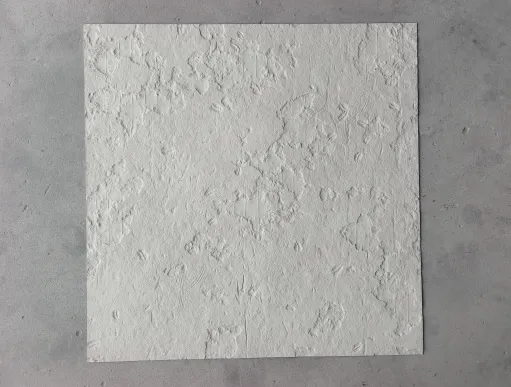
Bali Stone has become a popular choice for architects, interior designers, and builders looking to bring natural elegance and distinctive character to both interior and exterior spaces. Known for its warm earthy tones, unique textures, and cultural heritage, Bali Stone is widely used in wall cladding, decorative feature walls, and architectural façade projects. However, not all bali stone suppliers deliver the same level of quality, consistency, and value. Evaluating a supplier requires a systematic approach that goes beyond price comparison alone. This article provides a practical framework for assessing both quality and pricing competitiveness when sourcing Bali Stone and other decorative profiles.
Before evaluating a supplier, it is important to understand the different types of Bali Stone available and their intended uses. Bali Stone typically falls into several categories, including Bali Limestone, Bali Sandstone, Bali Lava Stone, and Bali Green Stone. Each type has distinct physical properties — some are soft and porous, while others are dense and highly durable.
The right supplier should be able to explain which type of Bali Stone suits your specific project. For instance, a hotel lobby feature wall requires different material characteristics than an exterior residential façade. A knowledgeable supplier will ask questions about your project environment, climate conditions, and aesthetic preferences before making recommendations. This application-first approach is a strong indicator of supplier expertise and separates experienced building material suppliers from those who simply push products.
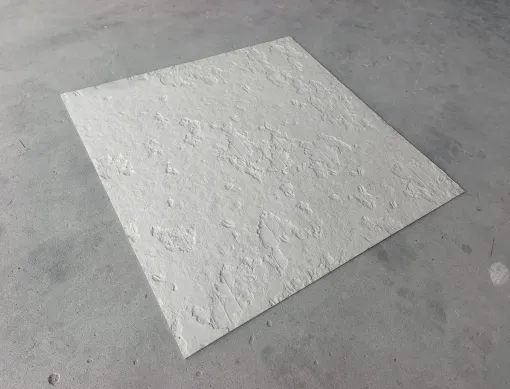
Quality assessment is the foundation of any supplier evaluation. When sourcing Bali Stone, several key quality indicators should be examined.
First, verify the consistency of color and texture across batches. Natural stone always has variations, but a reputable supplier maintains controlled batch selection to ensure that the overall project appearance remains cohesive. Request actual slab or tile photos — not just catalog images — and ask for close-up shots that show surface details, edges, and backing treatment. A supplier who is willing to provide real-time photos of their current stock demonstrates transparency.
Second, assess the physical properties of the stone. Important technical parameters include water absorption rate, density, compressive strength, and freeze-thaw resistance. These directly affect how the stone will perform in different environments. A reliable bali stone supplier should be able to provide test data or technical specifications upon request, especially for exterior or wet-area applications.
Third, examine the finishing quality. Bali Stone can be finished in various ways — natural cleft, honed, brushed, or polished. The surface treatment should be even and consistent. Any signs of chipping, uneven edges, or inconsistent thickness indicate poor quality control and should raise concerns.
A supplier's factory capability directly impacts the quality of the final product. When evaluating a supplier, consider whether they have their own processing facility or work through third parties. Direct factory control generally means better quality oversight, shorter lead times, and more consistent output.
Key processing capabilities to verify include cutting precision, surface finishing equipment, and quality inspection procedures. For projects requiring custom sizes or cut-to-size orders, confirm that the supplier has CNC machinery, waterjet cutting, or other precision equipment. Dry lay inspection — where pieces are arranged and photographed before packing — is a valuable practice that prevents mismatched material from reaching the job site.
Ask for workshop photos or videos that show the production environment. A clean, organized facility with proper safety measures reflects a supplier's professionalism and attention to detail. For buyers sourcing decorative profiles and stone products in bulk, this level of transparency is essential for building confidence.
Evaluating pricing competitiveness is about more than finding the lowest price per square meter. A low initial quote can hide additional costs that emerge later in the project. When comparing prices between suppliers, request a line-item breakdown that includes material cost, surface finishing charges, cutting and fabrication fees, packing costs, and shipping or freight charges.
Consider the total cost of ownership rather than the purchase price alone. A supplier who offers slightly higher pricing but includes better packing, faster delivery, and more reliable quality control may ultimately save you money by reducing waste, rework, and installation delays. Ask about minimum order quantities and whether bulk discounts are available for larger projects.
Also, inquire about the supplier's pricing stability. Stone markets can fluctuate, but a stable supplier with established sourcing channels can offer more predictable pricing over time. If a supplier's price seems significantly lower than others, investigate the reasons — it could indicate lower-grade material, less rigorous quality control, or thinner stock.
Packing quality is a revealing indicator of a supplier's overall professionalism. Stone is heavy and fragile — inadequate packing can lead to breakage during transit, resulting in project delays and additional costs. Good suppliers use reinforced wooden crates, foam cushioning, and proper edge protection for each piece. Ask for packing photos before shipment and confirm that loading procedures are documented.
Logistics competence also matters. A reliable supplier should provide realistic lead time estimates and keep you informed of production progress and shipping schedules. For international buyers, the supplier should be experienced with export documentation, customs clearance, and container loading procedures.
After-sales support is equally important. What happens if a shipment arrives with damaged pieces? Does the supplier have a clear policy for replacements or refunds? Responsive communication and a willingness to resolve issues are signs of a trustworthy partner. A dependable building material supplier stands behind their products and values long-term customer relationships.
While decorative stone may not always require formal certification, suppliers who adhere to recognized industry standards demonstrate a commitment to quality. Ask about ISO quality management certifications, material testing reports, and compliance with relevant building material standards in your country or region.
A professional bali stone supplier should also be transparent about the origin of their stone, quarrying practices, and any environmental considerations related to sourcing. This transparency builds trust and helps buyers make informed decisions that align with their project requirements and sustainability goals.
The best supplier relationships go beyond a single transaction. When evaluating suppliers, consider whether they have the capacity and willingness to support your long-term needs. This includes consistent quality across repeat orders, flexibility to accommodate design changes, and the ability to scale production for larger future projects.
A supplier who invests in understanding your business, your project types, and your quality expectations is more likely to become a reliable long-term partner. Regular communication, proactive problem-solving, and a genuine interest in your success are qualities that separate exceptional suppliers from average ones. For buyers seeking comprehensive decorative profiles and stone solutions, working with a supplier that offers a broad product range under one roof can also simplify procurement and reduce coordination complexity.
Evaluating a bali stone supplier requires attention to both quality and pricing dimensions. By assessing material consistency, factory capability, pricing transparency, packing standards, and after-sales support, buyers can make informed decisions that protect their projects and their budgets. As a comprehensive building material supplier, COLORIA GROUP offers a wide range of decorative profiles and stone products, including Bali Stone, backed by decades of industry experience and a commitment to quality and customer satisfaction. Taking the time to evaluate suppliers thoroughly is an investment that pays off through smoother projects, fewer surprises, and results that stand the test of time.
Recommend Products












