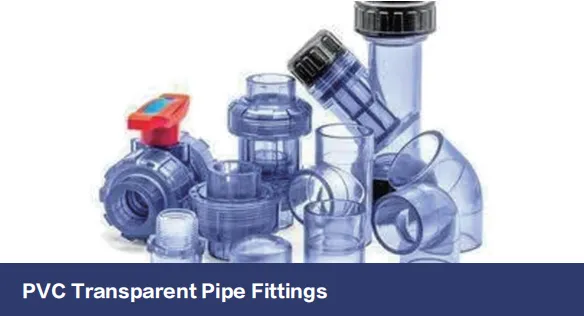
Hey there, DIY enthusiast! If you're anything like me, you've probably looked at those leftover PVC
pipe fittings after a project and thought, "Seems a shame to toss these out." Well, you're absolutely right. Those
clear PVC fittings aren't just junk—they're opportunities. I'm here to show you how to give them new life in ways that'll make your home projects more sustainable and your wallet happier. Let's dive into the surprisingly satisfying world of PVC rescue and repurposing!
Before we get our hands dirty, let's talk about why this matters. Sure,
pipe fittings seem small, but think bigger picture for a sec. Every time we reuse instead of buying new, we're doing three powerful things:
First, we're keeping plastic out of landfills and oceans. PVC doesn't play nice with Mother Nature when it's tossed—it sticks around for centuries. Second, we're saving cash. Those little fittings add up quick when you're doing multiple projects. And third? We're flexing those creative muscles. There's something magical about transforming "trash" into something useful and beautiful.
Create a "disassembly station" with an old towel to catch small pieces and prevent scratches. Trust me, crawling on the floor hunting for that tiny washer gets old fast!
Step 1: Assess Before Mess
Take a good look at your pipe fitting. Is it glued? Threaded? Compression-style? Transparent PVC's a bit softer than regular PVC, so be extra gentle. Check for cracks or stress marks—they'll be extra visible thanks to that clear material. If the fitting looks more like modern art than plumbing, maybe let it go.
Step 2: Heat & Beat (Gently!)
For glued joints: Warm your heat gun to medium setting (about 300°F). Slowly warm the joint for 2-3 minutes while rotating. You'll see the cement start to bubble—that's your cue! Wear gloves and gently twist with pipe wrenches. If it resists, add more heat. Never force it—when PVC feels like it's fighting back, it's usually about to crack.
Step 3: Clean & Inspect
Once separated, dive into cleaning. Scrub off cement residue with an old toothbrush and PVC cement remover. For mineral deposits, soak overnight in white vinegar. The beauty of transparent fittings? You can easily inspect every inch for damage. Hold them up to light—cracks or stress marks glow like neon signs.
Step 4: Restoration Magic
Found rough edges? 220-grit sandpaper is your friend. Make smooth, circular motions—remember, we're restoring, not reshaping. For scratches on clear surfaces, automotive plastic polish works wonders. Deeply gouged? Mix clear PVC cement with shavings to create a paste filler. Sand smooth once cured.
Can't get a threaded fitting unstuck? Heat water to nearly boiling. Pour over the fitting for 1 minute while wearing heatproof gloves. The metal expands slightly before the PVC does—giving you a precious few seconds to twist it free!
Now for the fun part—turning these rescued fittings into functional art! Transparent PVC is fantastic because it showcases whatever you put inside. Here are some favorites:
Mini Greenhouses
Use elbows and T-fittings as cloches for seedlings. They protect delicate sprouts while letting sunlight through beautifully.
Desk Organizers
Glue fittings onto wood bases. Store pens, brushes, or makeup. The clear material keeps contents visible but contained.
Aquarium Decor
Smooth PVC pipes create tunnels for fish. With their plastic quality, they're less likely to harbor bacteria than stone or wood.
Creative Lighting
insert LED fairy lights into pipes for glowing sculptures. The way light dances through those clear angles? Magic.
Beyond being a smart solution for DIY plumbing needs, these fittings can transform into sleek shelves in a kitchen cabinet design, proving that materials can transcend their original purpose in our
building materials journey.
Not every fitting survives gracefully. Here's how to handle common nightmares:
Problem: Cement Won't Budge
Try the "freeze and heat" method: Spray compressed air (like keyboard cleaner) upside down directly onto the joint. This freezes the cement. Quickly apply heat. The thermal shock creates micro-cracks in the cement bond.
Problem: Cracks During Removal
Don't panic! Cut away damaged sections with a PVC cutter. Smooth the new edge with sandpaper. Even shorter pieces make perfect spacers or cable managers.
Problem: Discoloration
Transparent PVC yellows when exposed to sunlight. Make a paste of baking soda and hydrogen peroxide, apply, and wrap in plastic wrap. Leave in direct sun—UV rays bleach it back to clarity!
What starts as rescuing a few fittings can spark a whole mindset shift. You'll start seeing potential everywhere—old gutters becoming garden planters, broken pallets transforming into furniture. It's about more than saving money; it's redefining our relationship with materials. Those clear fittings become symbols of possibility, reminding us that with creativity and care, nothing's ever truly waste.
The next time you're tempted to toss
pipe fittings, pause. Hold them up to the light. See the potential, not the past. Whether you build practical organizers or purely artistic pieces, you're participating in the beautiful cycle of reuse that builds more sustainable communities one fitting at a time. Happy rescuing!