
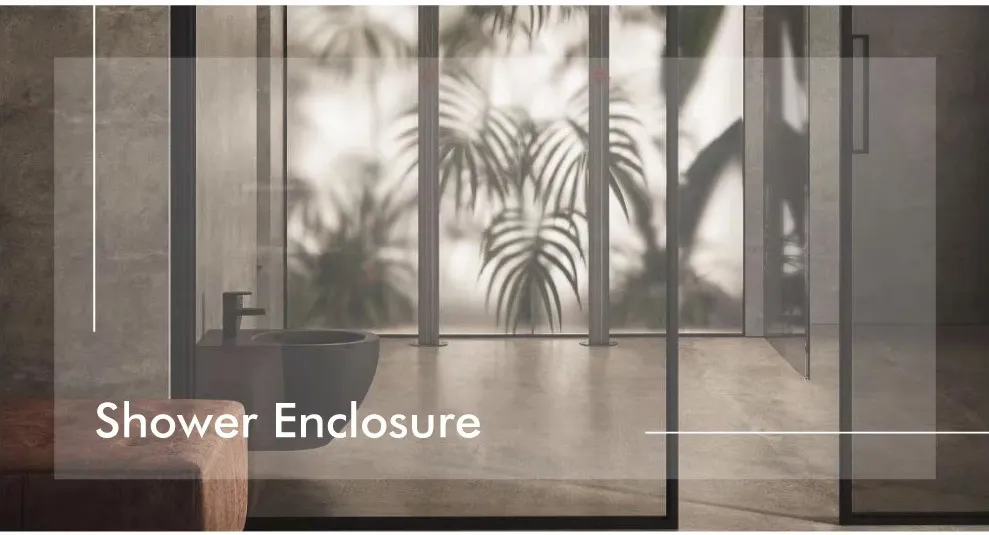
Unlock the secrets to spotting premium materials that transform showers from functional to luxurious
Choosing a shower enclosure feels like learning a foreign language – tempered glass? Chrome-plated brass? Low-iron clarity? Suddenly you're navigating technical specifications that make your head spin. But here's the honest truth: that glass box isn't just keeping water contained; it's protecting your sanctuary, defining your style, and quietly influencing your daily mood. When done right, stepping into a well-crafted shower feels like wrapping yourself in a perfectly tailored robe. When done wrong? It becomes that corner of the bathroom you avoid eye contact with.
This guide peels back the layers of marketing speak to help you develop x-ray vision for material quality. No engineering degree required – just practical insights to ensure your shower enclosure doesn't become the regret hiding behind your bath towels.
Glass isn't just "clear stuff" – it's the soul of your shower enclosure. Its clarity determines whether your morning shower feels energizing or like washing inside a mayonnaise jar. Here's how the pros assess it:
Look for the subtle signs
Glass types have personalities. Tempered glass feels like a disciplined soldier – strong, reliable, engineered to protect you if disaster strikes. Then there's laminated glass, the thoughtful diplomat that contains fragments if broken. Laminated glass is essentially two layers of glass with a plastic interlayer, which not only holds the glass pieces together when broken but also provides sound insulation and blocks UV rays to protect any soap and shampoo from discoloration over time.
| Glass Feature | Budget-Grade | Premium Quality |
|---|---|---|
| Thickness | 6mm or less | 8mm-10mm |
| Clarity | Slight greenish tint | Crystal clear "low-iron" glass |
| Edge Work | Sharp or roughly polished | Perfectly smooth, "pencil-round" edges |
| Safety Rating | Basic tempered | Laminated + tempered |
Water Test Trick: Take a small water dropper to the showroom. High-clarity glass makes water droplets look like liquid diamonds. Cheaper glass gives them a faint greenish halo.
Hinges and handles bear more tension than a ballet dancer's ankles. Treat them like the foundation of your shower:
The Magnet Test
Bring a small magnet to your showroom visit. True stainless steel (grade 304 or 316) has weak magnetic pull. Cheaper ferrous metals cling aggressively.
Here's where most enclosure failures begin – not with shattered glass, but with silent water infiltration turning your bathroom subfloor into a mushroom farm.
The best way to complement a luxury spa bathtub is with an equally refined shower enclosure – both require meticulous attention to detail and material choices to create that seamless oasis experience. Don't let a leaky shower ruin the tranquility of your sanctuary.
That gorgeous brushed nickel finish? It could be vapor deposition (a molecular bonding) or cheap spray paint destined for tub spottiness.
| Finish Type | Durability | Warning Signs |
|---|---|---|
| PVDF Coating | 15+ years | Oddly smooth texture |
| Electroplated | 8-12 years | Price seems too good |
| Powder Coat | 5-7 years | Visible thickness |
Scratch Test Request: Ask to gently test a hidden area with a copper coin. Soft coatings nick; quality PVD laughs it off.
At the end of the day, differentiating shower enclosure quality isn't about becoming a materials scientist. It's about tuning into how the materials feel and perform. Premium enclosures have a confident solidity – the glass doesn't vibrate when you shut the door, the hardware moves with fluid precision, and everything aligns like fine watch gears. That quiet satisfaction lasts decades longer than the short-lived thrill of a bargain price tag.
Because true luxury isn't about how much you spend, but how little you compromise. When your shower enclosure feels like it was crafted for your exact rhythm, you'll understand why the finest materials matter.
Recommend Products












