
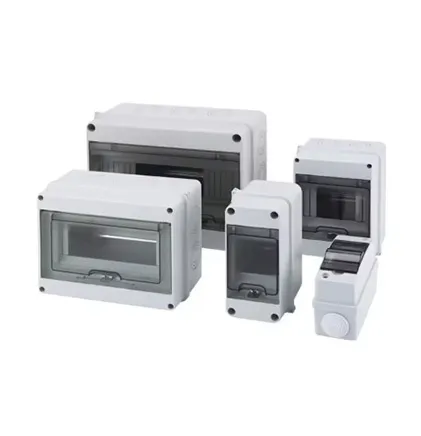
Ever opened your electrical panel and felt completely lost? You're not alone. Wiring a distribution box can seem like decoding alien technology if you don't understand the fundamentals. But here's the reality: Getting this right isn't just about convenience—it's a life-or-death safety measure that protects your home and family.
Let me walk you through this step-by-step, using plain language instead of confusing jargon. We'll cover everything from why neutral bars matter to how your grounding path acts as a silent superhero. Along the way, I'll share some professional secrets for avoiding those frustrating trips to reset breakers at 2 AM.
In my years helping homeowners, I've seen how tiny mistakes like crossed wires or loose terminals can lead to melted panels or electrical fires. Proper wiring isn't about perfection—it's about creating a system that fails safely when overloaded. We're building a guardrail for your home's electrical heartbeat.
Picture your breaker panel as a busy airport control tower:
Before touching any wires :
Skip the fancy gadgets and focus on these essentials:
Strip wire ends to expose 3/4" copper—too much bare wire invites shorts. Give each wire a slight clockwise bend before inserting. This creates "wire memory" that hugs the terminal screw as you tighten it.
Snap breakers onto hot bus bars first. You'll feel a solid click when properly seated. For AFCI/GFCI breakers, match the colored pigtail to the correct terminal. Here's the critical step most DIYers miss: Torque terminals to manufacturer specs (often 20-25 in-lbs). Overtightening cracks plastic.
Black wires connect to breaker terminals. Remember: One terminal per wire—no doubling up! White wires go to the neutral bar, green/bare wires to ground bars. Create neat bundles with the control cables organized by circuit type (lighting, outlets, appliances).
Grounding isn't optional armor—it's your electrical immune system. Connect all grounds to a single bar, and run a beefy ground wire to your water main. Never bond neutrals and grounds outside the main panel.
After carefully restoring power:
If a breaker trips immediately, you've likely got crossed wires or a short. The solution? Start disconnecting branches methodically until you isolate the problem child.
Annually:
This is especially crucial after major renovations using modern high-performance decorative stone materials near wiring areas.
Don't play hero if you encounter:
The bottom line? Thoughtful wiring creates a system that protects you without needing constant attention. Take it slow, respect the fundamentals, and you'll gain not just a functioning panel, but confidence in managing your home's most vital infrastructure.
Recommend Products












