
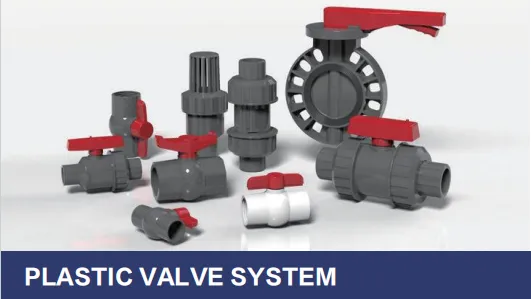
Choosing a plastic valve system supplier isn't just a procurement decision—it's a partnership that shapes the success of your construction projects. Whether you're overseeing a hospital renovation, building a new school, or managing a commercial high-rise, the reliability of your plastic valves, pipes, and fittings directly impacts everything from project timelines to long-term durability. In an industry flooded with options, how do you separate the vendors who merely sell products from those who deliver solutions? This guide breaks down the critical criteria to evaluate, helping you find a supplier that aligns with your goals, values, and project needs.
At the heart of any reliable plastic valve system supplier is a commitment to quality. Plastic valves and pipes are the unsung heroes of plumbing, HVAC, and industrial systems—they handle water flow, waste disposal, and chemical transport, so cutting corners here can lead to leaks, system failures, or even safety hazards. To assess quality, start by examining three pillars: certifications, materials, and testing protocols.
Reputable suppliers don't just claim their products are "high-quality"—they back it up with third-party certifications. These certifications ensure compliance with global standards, giving you peace of mind that the plastic valve systems meet safety, performance, and durability benchmarks. For example:
| Standard | Applicable Products | Key Requirements | Why It Matters |
|---|---|---|---|
| ASTM D2846 | CPVC Pipe and Fittings | Resistance to high temperatures (up to 200°F), pressure tolerance, chemical stability | Critical for hot water systems in hospitals, schools, and commercial buildings |
| DIN Standard PN10 | PVC Pipe Fittings | Pressure rating of 10 bar, dimensional accuracy, leak-proof design | Ensures reliability in cold water plumbing and irrigation systems |
| AS/NZS 2053 | PVC Electrical Pipe Fittings | Fire resistance, insulation properties, impact strength | Essential for safe electrical installations in residential and commercial projects |
When vetting a plastic valve system supplier, ask for copies of these certifications. A trustworthy supplier will readily share them, while a vague response ("We meet industry standards") is a red flag. Remember: certifications aren't just checkboxes—they're proof that the supplier invests in quality control.
The type of plastic used in valve systems directly impacts performance. For example, UPVC (unplasticized PVC) is rigid and chemical-resistant, making it ideal for water supply lines, while PEX (cross-linked polyethylene) is flexible and durable, suited for radiant heating systems. A reputable supplier will be transparent about materials, explaining why a specific plastic (PVC, UPVC, PPR, or CPVC) is recommended for your project.
Consider a scenario: You're managing a hospital renovation where potable water safety is non-negotiable. A supplier who recommends PPR pipe and fittings (known for corrosion resistance and hygiene) demonstrates material expertise, whereas one pushing generic PVC might not understand the unique needs of healthcare facilities. Materials matter—don't hesitate to ask, "Why this plastic for my project?"
Even certified materials need rigorous testing. Does the supplier conduct in-house testing for pressure, temperature resistance, and longevity? For example, PVC DWV (Drain-Waste-Vent) pipes must withstand constant exposure to waste and varying temperatures. A supplier that tests products under real-world conditions—like simulating years of use in a lab—shows a commitment to reliability.
Don't be afraid to ask: "What testing protocols do your plastic valve systems undergo before shipping?" A supplier with confidence will walk you through pressure tests, impact tests, and even long-term durability studies. The answer could mean the difference between a system that lasts 10 years and one that fails in 2.
A great plastic valve system supplier isn't just a vendor of valves—they're a partner who can meet multiple project needs. Imagine coordinating with five different suppliers for valves, pipes, fittings, and accessories. It's a logistical nightmare, prone to delays and miscommunications. Instead, look for a supplier that offers a comprehensive range of plastic valve system solutions, including related products like:
Why does this matter? Let's say you're a contractor working on a mixed-use development with residential apartments and ground-floor retail. The residential units need PEX pipes for plumbing, while the retail spaces require durable UPVC pipes for irrigation. A one-stop supplier can provide both, along with the plastic valves to connect them, streamlining your supply chain and reducing the risk of compatibility issues.
When evaluating a supplier, ask: "What other plastic pipe and fitting solutions do you offer?" A supplier that lists "plastic valve system solutions" alongside PVC, UPVC, and PPR products is more likely to be a long-term asset than one with a narrow focus.
Not all construction projects are created equal. A hospital has stricter fire safety codes than a residential home; a commercial high-rise demands different pressure ratings than a small office. A plastic valve system supplier with industry-specific expertise will understand these nuances, ensuring their solutions align with your project's unique challenges.
Hospitals and schools are high-stakes environments. They require materials that meet Class A fireproof standards, resist mold growth, and are easy to sanitize. A supplier experienced in healthcare projects will know, for example, that CPVC pipes (certified to ASTM D2846) are preferred for their heat resistance and compatibility with medical-grade cleaning agents. They'll also anticipate regulatory hurdles, like ensuring pipes don't leach chemicals into potable water—critical for patient and student safety.
Commercial projects, like shopping malls or office towers, often involve larger diameters and higher pressure requirements than residential builds. A supplier with commercial expertise will recommend robust options like PVC-U SCH40 pressure piping systems, designed to handle heavy usage. On the flip side, a residential-focused supplier might excel in cost-effective solutions like PPR pipes for home plumbing. The key is finding a supplier whose experience matches your project type.
To gauge expertise, ask: "Can you share examples of projects similar to mine that you've supplied?" A supplier with relevant experience will provide case studies—like a 500-bed hospital where their plastic valve systems reduced installation time by 20%—or references you can contact. Generic responses ("We work with all industries") are a warning sign.
Construction projects rarely go exactly as planned. A pipe might arrive damaged, a fitting might be backordered, or your team might need last-minute technical advice. In these moments, a supplier's customer support can make or break your timeline. Look for a partner that offers:
Even seasoned contractors encounter tricky installations. Does the supplier have a team of engineers or technical reps available to answer questions? For example, if your crew is struggling to connect PEX fittings to a plastic valve, a quick call to the supplier's tech support can save hours of frustration. A supplier that offers on-site consultations or virtual demos goes above and beyond.
Missed deadlines cost money. A supplier with a track record of on-time deliveries is worth their weight in gold. Ask about their logistics network: Do they have local warehouses to reduce shipping times? What's their policy for rush orders? A supplier that guarantees delivery within 48 hours for critical parts (like a replacement PVC valve) shows they understand the urgency of construction schedules.
The relationship shouldn't end after delivery. What if a batch of PVC DWV pipes is defective? A reputable supplier will replace them promptly, no questions asked. Look for clear warranty policies—ideally 5+ years for critical components—and a responsive customer service team that follows up to ensure satisfaction.
Let's be honest: Cost matters. But the cheapest plastic valve system supplier isn't always the best value. Instead of fixating on upfront prices, consider the total cost of ownership (TCO)—which includes installation, maintenance, and replacement costs over time.
For example, PEX pipes might cost 15% more than standard PVC upfront, but their flexibility reduces installation time (saving labor costs), and their resistance to corrosion means fewer replacements over 20 years. A supplier that helps you calculate TCO—rather than just quoting the lowest price—demonstrates a commitment to your project's long-term success.
Don't hesitate to negotiate, but also ask: "What hidden costs should I expect?" A supplier that's transparent about shipping fees, minimum order quantities, or rush charges is more trustworthy than one with "too good to be true" pricing.
Today's construction industry is increasingly focused on sustainability, and your clients are likely no exception. A forward-thinking plastic valve system supplier will prioritize eco-friendly practices, such as:
Sustainability isn't just a trend—it's a requirement for many green building certifications (like LEED). A supplier that can provide eco-friendly plastic valve system solutions will help your projects qualify for these certifications, making them more attractive to clients.
Choosing a plastic valve system supplier is about more than checking boxes—it's about finding a partner who understands your project's unique needs, prioritizes quality, and supports you through every challenge. By evaluating product quality, range of solutions, industry expertise, customer support, pricing, and sustainability, you'll narrow down the options to those who don't just sell products, but deliver success.
Remember: The best supplier is the one that makes your job easier. Whether you're building a school, a hospital, or a commercial complex, the right partner will ensure your plastic valve systems are reliable, compliant, and built to last. Take the time to research, ask tough questions, and trust your instincts—your project (and your peace of mind) will thank you.
Recommend Products












