


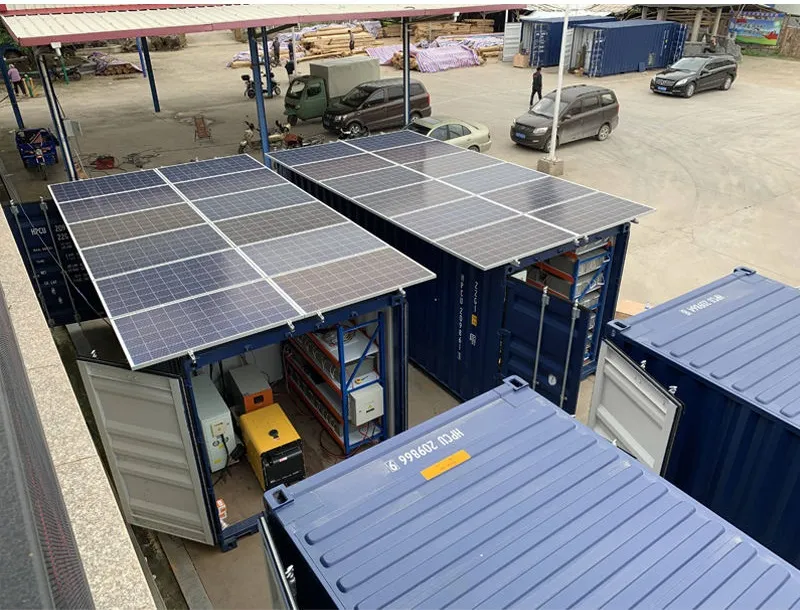
Let's be honest - dirty solar panels are money down the drain. Those sleek panels on your roof are energy-producing workhorses, but when they get covered in dust, pollen, or bird droppings, they can't do their job properly. Don't worry though, cleaning them isn't nearly as complicated as you might think. In this guide, we'll walk through exactly how to clean solar panels safely and effectively, so you can keep your energy production at peak performance.
Do Your Panels Even Need Cleaning?
Before grabbing your hose, know this: solar panels are designed to be low-maintenance. Research from Google and UC San Diego shows tilted panels need far less cleaning than flat ones because rain and gravity help keep them clean.
Typically, dust and pollen cause less than 0.05% efficiency loss - about $20 per year for the average home. That means professional cleaning often costs more than you'd gain in energy savings.
When cleaning becomes necessary:
- After dust storms (common in desert areas)
- When you notice a visible film of dirt or grime
- In areas with hard water that leaves mineral deposits
- When near highways, farms, or factories with heavy airborne particles
- If you see significant bird droppings
- When snow or leaves accumulate during winter months
The Right Tools For The Job
Using proper tools is essential to avoid damaging your panels. Here's what you'll need:
Essential Equipment:
- Garden hose with spray nozzle - A basic attachment works fine
- Squeegee extension pole - For reaching panels from ground level
- Soft brush or cloth-covered sponge - Avoid anything abrasive
- Mild detergent - Dish soap works great
- Safety harness - If roof access is necessary
What NOT to use:
- ⚠ Pressure washers - can damage seals
- ⚠ Abrasive scrubbers or metal tools - cause scratches
- ⚠ Harsh chemicals (bleach, ammonia)
- ⚠ Cold water on hot panels - risk of cracking
The Gentle Cleaning Process: Step by Step
Safety First!
Before anything else:
- Shut down your system following manufacturer instructions
- Work from the ground whenever possible (saves time and risk)
- Never walk directly on panels - they're not weight-bearing surfaces
The Cleaning Process:
- Dry brush first: Gently sweep off loose debris like leaves or dust
- Initial rinse: Spray with hose to remove surface dirt
- Prep cleaning solution: Mix mild detergent with warm water
- Apply gently: Use soft brush/sponge with solution on small sections
- Let it work: Allow solution to sit 1-2 minutes on tough grime
- Rinse thoroughly: Wash off all cleaning solution completely
- Squeegee dry: Prevents mineral deposits from hard water
Pro Tips:
- Time your cleaning for early morning or overcast days when panels are cooler
- Work in small sections to prevent solution from drying too quickly
- For mineral-rich water areas, drying is crucial to avoid streaks
- Snow actually cleans panels as it melts - only remove heavy accumulation
Alternative Cleaning Methods
When to Call Professionals:
Hiring a solar panel cleaning service makes sense when:
- Panels are inaccessible from the ground
- You have physical limitations
- Installing automated systems (average cost: $150 for cleaning+inspection)
- If you live in an area requiring frequent cleaning
Maintenance & Frequency
What Determines Cleaning Frequency?
- Local rainfall - Dry climates need more frequent cleaning
- Roof pitch - Steeper roofs stay cleaner naturally
- Nearby trees - Pollen and leaves increase cleaning needs
- Environmental factors - Farms, highways or factories nearby
Generally, 1-2 times per year suffices for most homes. Just monitor your energy production and visually inspect panels periodically.
The Efficiency Impact
Clean panels matter because dirt creates shadows that block photons. NREL research shows dirty panels can lose up to 7% efficiency - that's significant power left untapped!
Monitoring your energy output through your inverter app is the best way to spot efficiency drops that might indicate cleaning is due.
Eco-Friendly Cleaning Approaches
Since sustainability is why we install solar panels, let's clean them sustainably too:
- Collect rainwater for cleaning - it's naturally soft
- Use biodegradable soaps like Castile soap
- Time with forecasted rain to reduce water needs
- Consider waterless systems if you live in drought-prone areas
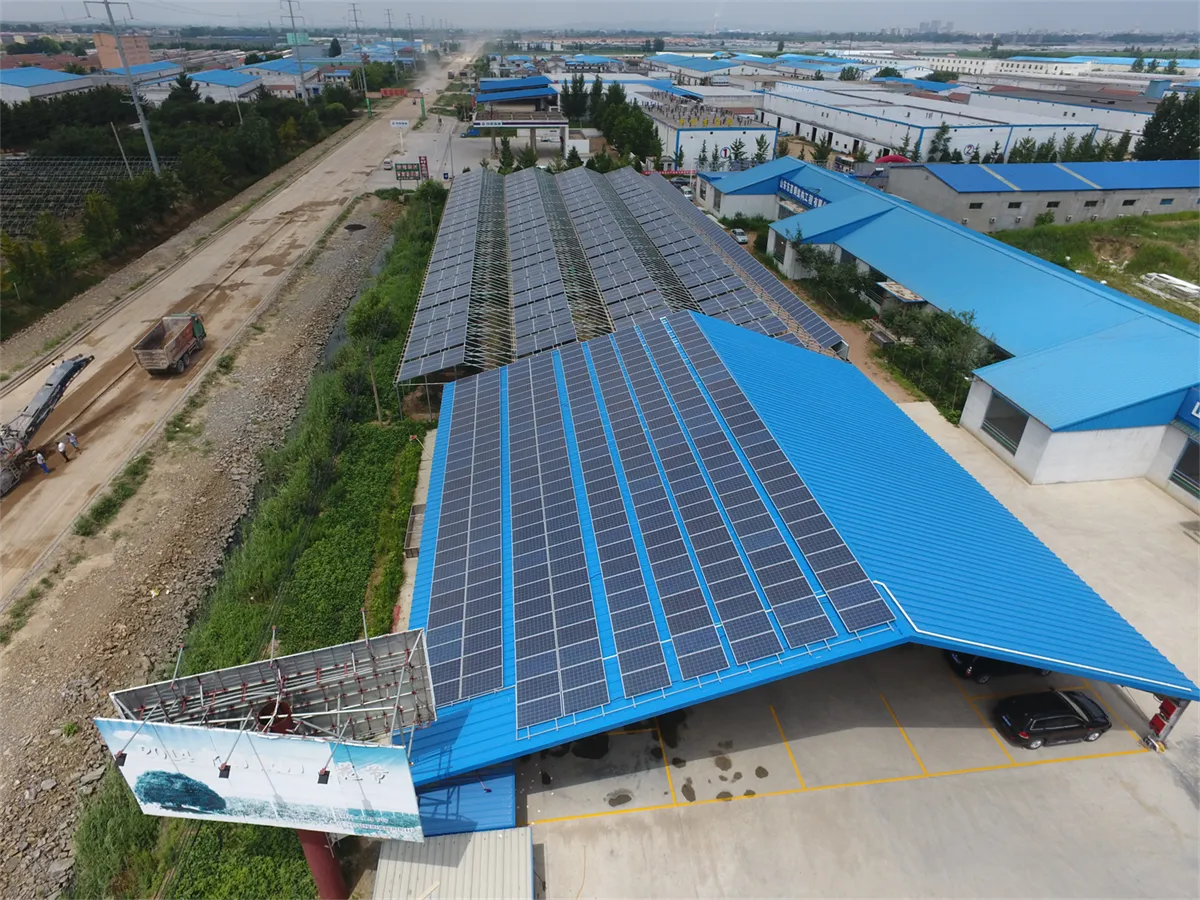
For those using solar panel solutions in large installations, professional eco-cleaning services often use water recycling systems that filter and reuse water multiple times.
Common Mistakes to Avoid
Rushing the Process
Cleaning too fast leads to streaks and missed spots that actually decrease efficiency by creating uneven shading
Using Improper Tools
Metal scrapers or harsh abrasives create micro-scratches that scatter sunlight and reduce energy capture
Ignoring Weather
Cleaning in direct sun causes rapid drying and streaks; windy days spread dirt back onto wet surfaces
Overcleaning
Unnecessary cleaning wears protective coatings faster and wastes water/resources without benefit
Solar Panel Cleaning FAQ
Can I pressure wash my solar panels?
No! High-pressure spray can damage seals around the frame, allowing moisture inside. It may also void your warranty. Stick to garden hose pressure.
How long does cleaning take?
Expect 1-2 hours for an average home installation. This includes setup, cleaning, and proper drying. Add 30 minutes if you need roof access.
Is Windex safe for solar panels?
Avoid ammonia-based cleaners like Windex. They can leave residues and potentially damage panel coatings over time. Simple dish soap works better.
How often should I clean residential solar panels?
Typically 1-2 times per year is sufficient for most homes. Schedule cleanings after pollen season and before summer peak production. Monitor your energy output for signs cleaning is needed sooner.
Final Thoughts
Maintaining clean solar panels is simpler than many homeowners expect. By following this gentle approach with the right tools at the proper frequency, you'll maximize your energy harvest and return on investment. Remember that occasional cleaning is part of a complete solar panel solutions approach to renewable energy management.
Most importantly, don't stress about keeping panels spotless constantly. Today's systems are remarkably resilient and designed to perform well despite normal environmental conditions. Happy energy harvesting!










