

In the world of modern construction and interior design, the materials we choose shape not just the look of a space, but its functionality, durability, and even its environmental footprint. Among the innovations transforming the industry, WPC (Wood Plastic Composite) wall panels have emerged as a standout choice for both residential and commercial projects. Whether you're renovating a home, designing a retail space, or managing a large-scale commercial build, selecting the right wpc wall panel solution can mean the difference between a project that meets expectations and one that exceeds them. But with so many options on the market—each promising unique benefits—how do you navigate the choices to find what's best for your specific needs? Let's break it down step by step.
First, let's get clear on what WPC wall panels are. Short for Wood Plastic Composite, WPC is a blend of wood fibers, plastic polymers, and additives that create a material stronger and more versatile than traditional wood or PVC alone. Imagine the natural warmth of wood combined with the water resistance of plastic—that's WPC in a nutshell. This hybrid composition makes it resistant to moisture, termites, rot, and warping, solving many of the pain points that come with older materials. For homeowners tired of dealing with peeling paint on drywall or businesses needing durable surfaces that stand up to heavy foot traffic, WPC panels offer a compelling solution.
But WPC isn't just about practicality. Today's wpc wall panel supplier options come in a stunning range of textures, colors, and finishes, from rich wood grains that mimic oak or teak to sleek, modern solids that complement minimalist designs. This versatility has made WPC a favorite among architects and designers looking to balance aesthetics with performance—whether they're working on a cozy residential living room or a high-end restaurant interior.
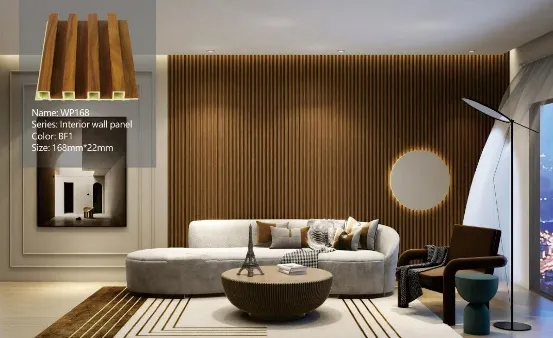
Before diving into product specs or supplier comparisons, take a step back and define what your project actually requires. Every build is different, and the "best" WPC panel for a beachfront villa might not be the same as for a downtown office. Here are key questions to ask:
Project Type: Are you working on a residential space (like a home renovation) or a commercial project (such as a hotel, school, or retail store)? Commercial projects often have stricter requirements for fire safety and durability, which may influence the type of WPC panel you choose. For example, a residential building materials supplier might prioritize design flexibility, while a commercial supplier could emphasize compliance with industry standards.
Location & Environment: Will the panels be installed indoors or outdoors? Outdoor applications (like patio walls or exterior cladding) demand higher resistance to UV rays and extreme weather, so look for WPC panels with added UV stabilizers. Indoor spaces, on the other hand, might focus more on moisture resistance (think bathrooms or kitchens) or acoustic properties (like home theaters).
Budget: WPC panels range in price depending on quality, thickness, and customization. Set a realistic budget upfront, but remember: cheaper panels might save money now but cost more in repairs or replacements later. It's often worth investing in mid-to-high range options from a reputable supplier to avoid headaches down the line.
Design Goals: What vibe are you aiming for? Do you want a rustic, natural look or a sleek, contemporary finish? Some suppliers offer custom color matching or texture options, so if design is a top priority, this should factor into your supplier choice.
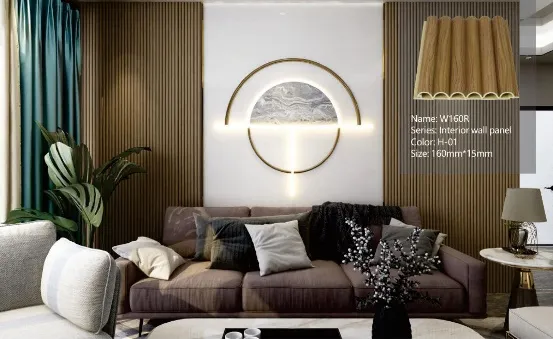
Once you've mapped out your project's needs, it's time to dig into the details of the WPC panels themselves. Not all WPC is created equal, so focus on these critical factors:
The core of any WPC panel is its material quality. Ask potential suppliers about the wood-to-plastic ratio—higher wood content can enhance aesthetics but may reduce moisture resistance, while more plastic can improve durability but might feel less "natural." Look for panels with added stabilizers (for UV resistance), anti-oxidants (to prevent fading), and impact modifiers (to withstand bumps and scrapes). A reliable wpc wall panel supplier will be transparent about their manufacturing process and happy to share test reports on factors like load-bearing capacity, water absorption rates, and lifespan.
Don't forget to check for certifications. Panels that meet international standards (like ISO or CE) are more likely to deliver consistent quality. For example, some WPC panels are rated for 15+ years of indoor use, while outdoor-rated options might last 10+ years with proper maintenance—numbers that can vary drastically between suppliers.
Safety should never be an afterthought, especially in commercial or public spaces. While WPC is inherently more fire-resistant than pure wood, fire ratings can vary. Look for panels with a Class B or higher fire rating (Class A is ideal for spaces like schools or hospitals, though this is less common for standard WPC). If your project is in a region with strict fire codes, ask your supplier for documentation proving compliance. A reputable wpc wall panel solution provider will prioritize safety and have the certifications to back it up.
Even the best materials can become a hassle if they're difficult to install or maintain. WPC panels typically use a tongue-and-groove system, making them easier to install than traditional drywall or stone. This can save time and labor costs, especially for large projects. Ask your supplier if they provide installation guides or even training for contractors—this level of support is a sign of a supplier who stands behind their product.
Maintenance-wise, WPC is relatively low-effort: a quick wipe with a damp cloth is usually enough to keep panels clean. Unlike wood, there's no need for painting, staining, or sealing. However, outdoor panels may require occasional rinsing to remove dirt buildup. Be wary of suppliers who oversell "zero maintenance"—while WPC is durable, it's not entirely indestructible, and proper care will extend its life.
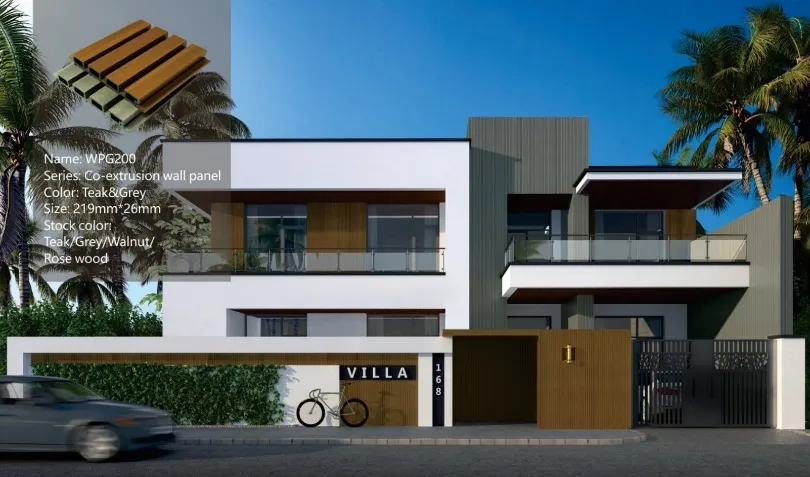
You could find the perfect WPC panel on paper, but if your supplier is unreliable, the whole project can derail. A wpc wall panel supplier isn't just a vendor—they're a partner in your project's success. Here's what to look for when vetting suppliers:
Track Record & Reputation: How long have they been in business? Do they have case studies or references from similar projects? Online reviews and testimonials can reveal red flags (like frequent delays or poor customer service) or green lights (consistent quality, on-time deliveries).
Customization Options: Every project has unique design needs. Can the supplier accommodate custom sizes, colors, or textures? A supplier with in-house manufacturing capabilities is more likely to offer flexibility than one that only sells pre-made panels.
After-Sales Support: What happens if a panel arrives damaged or you need help with installation? A good supplier will have a clear return policy and responsive customer service. Some even offer warranties (5–10 years is standard), which can provide peace of mind.
Sustainability Practices: As eco-conscious building becomes the norm, many clients prioritize suppliers with green credentials. Ask if the supplier uses recycled materials in their WPC, or if their manufacturing process minimizes waste or emissions. Sustainable practices aren't just good for the planet—they can also enhance your project's marketability, especially in residential spaces where homeowners value eco-friendly choices.
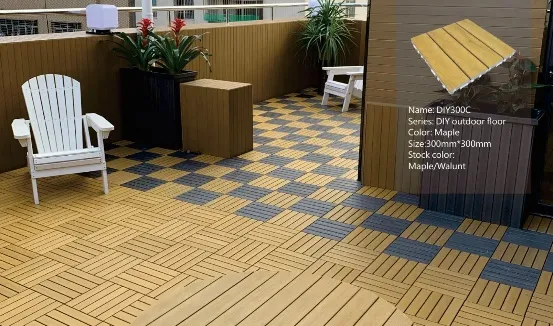
To make the decision easier, let's compare common types of WPC wall panels across key metrics. Use this table as a starting point when evaluating options from your chosen supplier:
| WPC Panel Type | Best For | Durability (Lifespan) | Fire Rating | Cost Range (per sq. ft.) | Key Benefits |
|---|---|---|---|---|---|
| Standard WPC Panel | Indoor residential (living rooms, bedrooms) | 10–15 years | Class B | $3–$6 | Balances affordability and aesthetics; wide range of wood grain finishes |
| Moisture-Resistant WPC Panel | Bathrooms, kitchens, basements | 12–18 years | Class B | $5–$8 | Enhanced water resistance; prevents mold and mildew growth |
| Exterior-Grade WPC Panel | Outdoor walls, patios, facade cladding | 8–12 years | Class C | $7–$12 | UV-stabilized; withstands rain, sun, and temperature fluctuations |
| Fire-Retardant WPC Panel | Commercial spaces (offices, schools) | 10–15 years | Class A/B | $8–$15 | Meets strict fire codes; ideal for high-traffic public areas |
*Note: Costs are approximate and vary by supplier, region, and order size.
To see how these choices play out, let's look at two real-world examples:
Residential Project: A homeowner in a humid coastal area wanted to renovate their master bedroom. They needed wall panels that could resist moisture (to prevent mold) and match their coastal, beachy aesthetic. Their residential building materials supplier recommended moisture-resistant WPC panels with a light oak finish. The panels were installed in days, required no sealing, and have held up perfectly against the salt air for three years—with zero warping or fading.
Commercial Project: A restaurant chain was redesigning its locations to create a warm, inviting atmosphere. They needed panels that could withstand frequent cleaning (grease, food splatters) and heavy use. Working with a commercial-focused supplier, they chose fire-retardant WPC panels in a rich walnut texture. The panels are easy to wipe down, meet local fire codes, and have maintained their appearance across 10+ locations for over two years.
Even with careful planning, it's easy to make missteps. Here are mistakes to avoid:
Choosing Based on Price Alone: The cheapest panels might save money upfront, but they often skimp on quality—leading to premature wear, fading, or even safety issues. Invest in mid-to-high range options from reputable suppliers.
Ignoring Local Climate: Outdoor panels in a desert climate need UV protection, while those in a rainy region need maximum moisture resistance. Don't assume one panel fits all environments.
Overlooking Installation Expertise: Even the best panels will underperform if installed incorrectly. Ensure your contractor has experience with WPC, or ask the supplier for recommended installers.
Choosing the right wpc wall panel solution isn't just about picking a material—it's about aligning that material with your project's goals, budget, and environment. By starting with a clear understanding of your needs, evaluating key factors like quality and supplier reliability, and avoiding common pitfalls, you can select WPC panels that enhance your space's beauty, durability, and value for years to come. Whether you're a homeowner embarking on a renovation or a contractor managing a commercial build, the effort you put into this decision will pay off in a finished project that you—and your clients—can be proud of.
So, take your time, ask questions, and don't settle for anything less than a solution that feels tailor-made for you. After all, great buildings are built on great choices—and WPC wall panels just might be the choice that takes your project from good to exceptional.
Recommend Products











