
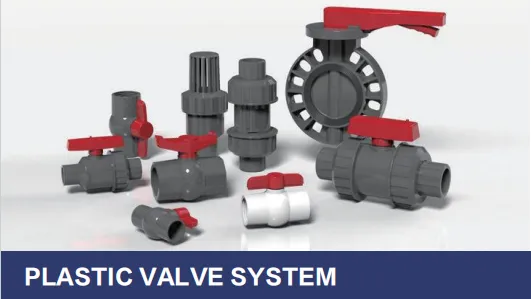
Walk into any industrial facility, municipal water treatment plant, or even a commercial building, and you'll find an unsung hero working behind the scenes: valves. These small but critical components regulate the flow of fluids—water, chemicals, gases, and more—keeping operations running smoothly. But here's the thing: not all valves are created equal. Choose the wrong one for your fluid type, and you could be looking at leaks, corrosion, costly downtime, or worse, safety risks. As someone who's worked with facility managers, engineers, and contractors for years, I've seen firsthand how a mismatched valve can turn a routine project into a nightmare. That's why today, we're diving deep into how to select the right plastic valve system solutions based on the fluid you're handling. Whether you're a seasoned engineer or a small business owner upgrading your plumbing, this guide will break down the process in simple, actionable terms.
Let's start with the basics: fluids are as diverse as the industries that use them. A valve that works perfectly for drinking water might crumble when exposed to acidic chemicals. A valve designed for low-pressure air could fail catastrophically under the high pressure of industrial wastewater. The key here is understanding that every fluid has unique properties—corrosiveness, viscosity, temperature, and pressure—that directly impact how a valve performs over time. For example, think about a restaurant kitchen: the valves controlling the hot water line for dishwashers need to handle higher temperatures than those regulating the cold water for sinks. Similarly, a chemical plant dealing with sulfuric acid requires valves that can resist corrosion, while a municipal wastewater system needs valves tough enough to handle solids and debris.
This is where plastic valve system solutions shine. Unlike metal valves, plastic valves (made from materials like PVC, UPVC, CPVC, and PPR) offer excellent corrosion resistance, lightweight installation, and cost-effectiveness for many applications. But not all plastics are the same, and neither are the fluids they encounter. So, let's break down the most common fluid types and how to match them with the right valve.
To simplify, we'll group fluids into five main categories, each with its own set of challenges and valve requirements. Let's explore each one:
Potable water is perhaps the most common fluid we handle, found in homes, offices, schools, and hospitals. While it might seem "simple," there are still critical factors to consider. First, safety: the valve material must be non-toxic and compliant with health standards (like NSF/ANSI 61 for drinking water). Second, temperature: water can range from cold tap water (40°F/4°C) to hot water (140°F/60°C or higher in commercial settings). Third, pressure: residential systems typically operate at 40-80 psi, while commercial buildings might see higher pressures.
For potable water, PVC and UPVC valves are popular choices. They're affordable, non-corrosive, and easy to install. UPVC (unplasticized PVC) is especially durable and resistant to temperature fluctuations, making it ideal for both cold and moderately hot water. When sourcing these, look for plastic valve system solutions that specify compliance with NSF standards. Reputable suppliers will also offer certifications to ensure the valves won't leach harmful chemicals into the water supply. For example, a school upgrading its plumbing might opt for UPVC ball valves, which provide tight shut-off and are easy to maintain—critical for a busy environment with limited maintenance staff.
Industrial chemicals are where valve selection gets tricky. Fluids like hydrochloric acid, sodium hydroxide, or acetone are corrosive, meaning they can eat away at materials over time. Even "mild" chemicals, like cleaning agents in a manufacturing plant, can cause degradation if the valve material isn't compatible. Here, the first question to ask is: How corrosive is the fluid? pH level is a good starting point—acids (pH < 7) and bases (pH > 7) are more aggressive than neutral fluids (pH 7).
CPVC (chlorinated PVC) is a top pick for chemical applications. It's more heat and chemical resistant than standard PVC, making it suitable for acids, alkalis, and organic solvents. For highly corrosive fluids, like sulfuric acid or bleach, PTFE (Teflon)-lined valves are another option, though they come at a higher cost. When working with chemicals, it's also crucial to consider the valve's seal material. EPDM (ethylene propylene diene monomer) seals work well for many acids, while Viton seals are better for oils and fuels. This is where partnering with a knowledgeable plastic valve system supplier becomes invaluable—they can help match the fluid's chemical composition to the right valve material and seal.
Wastewater is a tough customer. It's often full of solids (like food scraps, hair, or industrial debris), has variable pH levels, and can carry bacteria or organic matter that accelerates corrosion. Valves in wastewater systems need to be clog-resistant, durable, and easy to clean. Imagine a municipal sewage treatment plant: valves here are often exposed to grit, sand, and even small rocks, so a valve with a full-bore design (like a ball valve) is better than one with narrow passages (like a gate valve), which can trap debris.
PVC and UPVC are again go-to materials here, thanks to their resistance to organic acids and abrasion. For systems with high solids content, butterfly valves are popular—their simple design (a rotating disc) minimizes clogging and allows for quick operation. When selecting plastic valve system solutions for wastewater, also consider the installation environment. Valves in underground sewage lines need to withstand soil pressure and potential root intrusion, so look for heavy-duty UPVC or PVC valves with reinforced bodies. Additionally, check for compliance with local plumbing codes, as some regions require specific standards for wastewater components.
Gases are often overlooked in valve discussions, but they present unique challenges. Unlike liquids, gases are compressible, meaning pressure can fluctuate rapidly. They also tend to leak more easily through small gaps, so a tight seal is non-negotiable. For example, compressed air systems in manufacturing plants rely on valves to control airflow to pneumatic tools—even a small leak here can waste energy and increase utility bills. Similarly, natural gas valves must meet strict safety standards to prevent explosions or asphyxiation.
Plastic valves can work for gases, but material selection is critical. UPVC and CPVC are suitable for low-pressure gases (like compressed air up to 100 psi), but for higher pressures or toxic gases (like chlorine), you may need to upgrade to metal valves. Ball valves are a top choice for gases because they offer a tight seal and quick on/off operation. When sourcing valves for gas applications, always verify that the plastic valve system solutions meet industry standards—for example, ASTM D2466 for PVC pipe fittings in gas service. It's also wise to consult with a pvc valve system supplier who specializes in gas applications, as they can recommend additional safety features like pressure relief valves or lockable handles to prevent accidental operation.
Last but not least, high-temperature fluids. Think of a hospital's sterilization equipment, a brewery's hot water tanks, or a textile mill's dyeing process—these systems handle fluids that can reach 200°F (93°C) or higher. Standard PVC valves start to soften at around 140°F (60°C), so using them here is a recipe for failure. Instead, you'll need valves made from heat-resistant plastics like CPVC (which can handle up to 200°F/93°C) or PPR (polypropylene random copolymer), which is rated for continuous use at 180°F (82°C).
For example, a commercial kitchen with a steam oven would benefit from CPVC ball valves, as they can withstand the high temperatures of steam without warping. In industrial settings where temperatures exceed 200°F, you may need to consider metal valves, but for many commercial applications, CPVC or PPR plastic valve system solutions are more than sufficient. Always check the valve's temperature rating—suppliers should provide this information upfront, often in their product datasheets.
Now that we've covered fluid types, let's expand our focus to other critical factors that influence valve selection. Even if you've matched the valve material to the fluid, overlooking these elements can lead to problems down the line:
Plastic valves are made from a range of materials, each with its own strengths and weaknesses. Here's a quick breakdown to help you choose:
When in doubt, ask your plastic valve system supplier for a compatibility chart. Most reputable suppliers will provide a list of fluids their valves can handle, along with temperature and pressure limits.
Valves come in various designs, each suited to specific tasks. Here's how to pick the right one for your fluid:
| Valve Type | Suitable Fluids | Best For | Pros | Cons |
|---|---|---|---|---|
| Ball Valve | Water, gases, low-viscosity chemicals | Quick on/off control, tight shut-off | Minimal pressure drop, easy to operate | Not ideal for throttling (partial flow) |
| Butterfly Valve | Wastewater, large-diameter pipes, low-pressure fluids | Handling solids, large flow rates | Compact design, low cost, easy maintenance | May have higher pressure drop than ball valves |
| Check Valve | Any fluid where backflow is a concern | Preventing reverse flow (e.g., in water pumps) | No external power needed, automatic operation | Can be noisy if not sized correctly |
| Gate Valve | Clean water, low-viscosity fluids with minimal solids | Full flow, infrequent operation | Low pressure drop when fully open | Prone to clogging with solids; slow to open/close |
Where you install the valve matters just as much as what's flowing through it. Outdoor valves are exposed to UV radiation, temperature extremes, and weathering—look for UPVC or CPVC valves with UV stabilizers to prevent cracking. Underground valves need to withstand soil pressure and potential moisture, so reinforced PVC or UPVC is a must. For indoor applications like commercial buildings, aesthetics might play a role—smaller, compact valves (like ball valves) are easier to fit in tight spaces.
Finally, never overlook local codes and standards. For example, potable water valves must meet NSF/ANSI 61 in the U.S., while industrial valves might need to comply with ASTM D1784 (PVC standards) or DIN 8062 (European pipe standards). Using non-compliant valves can lead to failed inspections, fines, or even liability issues if something goes wrong. A reliable plastic valve system supplier will always provide certification documents, so don't hesitate to ask for them before making a purchase.
At this point, you might be thinking, "This is a lot to remember—how do I make sure I'm getting the right valve?" The answer: partner with a reputable plastic valve system supplier. A good supplier won't just sell you a valve; they'll take the time to understand your application, ask about the fluid type, temperature, pressure, and environment, and recommend solutions tailored to your needs. For example, if you're a contractor working on a hospital's plumbing system, a supplier specializing in healthcare-grade valves can guide you toward Class A fireproof options or antimicrobial materials. Similarly, a pvc valve system supplier with experience in industrial settings can help you navigate chemical compatibility for your specific fluids.
When vetting suppliers, look for those with a track record of quality and customer support. Check online reviews, ask for references, and inquire about their product testing processes. A supplier that stands behind their plastic valve system solutions will offer warranties, technical support, and even on-site assistance if needed. Remember, the cheapest valve isn't always the best deal—investing in a high-quality valve upfront can save you thousands in repairs and downtime later.
Choosing the right plastic valve system solutions based on fluid type isn't just about checking boxes—it's about ensuring the safety, efficiency, and longevity of your operations. By understanding your fluid's properties, considering material compatibility, and partnering with a trusted supplier, you can avoid common pitfalls and make a choice that works for years to come. Whether you're upgrading a small plumbing system or outfitting a large industrial facility, the key is to start with the fluid and work your way out. After all, valves might be small, but their impact on your bottom line is anything but.
So, what's your next step? Take a moment to list out the fluids in your system, note their properties (temperature, pressure, corrosiveness), and reach out to a plastic valve system supplier with that information. You'll be surprised how quickly they can narrow down the options—and how much peace of mind comes with knowing you've chosen the right valve for the job.
Recommend Products












