
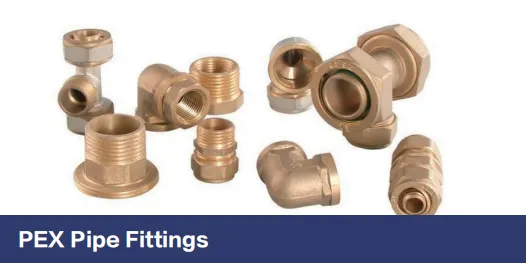
When you're deep into a plumbing project, whether it’s a DIY home renovation or a large-scale construction job, one choice consistently comes up as a make-or-break moment: which PEX pipe fittings to use . It’s not the kind of decision you want to rush—the wrong fitting can lead to leaks, pressure drops, or even system failure down the line.
Before we dive into fittings, let’s talk about why PEX pipe is becoming the star player in plumbing. Unlike traditional copper or PVC, PEX (cross-linked polyethylene) is flexible, easy to install, and corrosion-resistant. It handles both hot and cold water like a pro, and it’s quiet during operation. But here’s the kicker: your system is only as strong as its weakest joint . That’s why fittings matter so much.
Key insight:
Think of your PEX fittings as the anchors holding a bridge together—you don’t realize how critical they are until one fails. This isn’t just about convenience; it’s about long-term reliability and peace of mind.
Here’s where that dictionary research I mentioned comes into play. "Choose" feels like an everyday verb—until it decides the fate of your plumbing project. There are three major players in PEX fittings:
These are the workhorses of the PEX world. You slip a copper ring onto the pipe, insert the fitting, and crimp the ring with a specialized tool. Pros? They’re super reliable and well-established. Cons? You need the crimper tool on-site, and it’s not the most forgiving method for beginners. A lot of folks choose crimp for their hot water lines because of its durability under constant heat.
Clamps use a stainless-steel ring and a clamp tool. They offer visual confirmation of a proper seal, which makes them popular with inspectors. Imagine snapping a picture of every joint to prove it’s secure—that’s the level of reassurance clamps provide. Plus, no soldering or glue makes it a clean choice for indoor projects.
No tools? No problem. Push fittings let you slide the pipe into the fitting until you hear a distinct click. They’re fast and beginner-friendly—just align and push. But they cost more per fitting, and you have to make sure you never chose a setup where pipe rotation could loosen the seal. Perfect for quick repairs or tight spaces.
Now, how do you decide between these? It’s not just about grabbing what’s closest on the shelf. Here’s what really counts:
Take Sarah’s bathroom reno: Tiny space, lots of tight corners. She chose push fittings because she could maneuver in cramped spots without bulky tools. Saved her a weekend of frustration.
Then there’s Mike’s new build: His radiant floor heating needed crimp fittings throughout—the permanent metal rings reassured him against leaks under the concrete slab.
Learning what not to do is half the battle. These slip-ups could turn your project into a watery nightmare:
Veteran plumbers swear by these shortcuts for smooth results:
Why do major brands like Coloriagroup push smarter PEX solutions? As homes get smarter, pipes need to follow. Antimicrobial coatings for cleaner water, WiFi sensors that ping your phone at first sign of pressure loss—fittings are catching up. It’s worth watching this space when you choose your next set.
Choosing the right PEX pipe fitting turns a stressful project into a win you’ll be proud of years later. Ask yourself: What fits my space? My skill? My budget? But also—how can I future-proof it?
Whether you opt for the sturdy grip of crimp rings, the inspector-friendly clamp rings, or the “aha” click of push fittings, it’s your call. Choose deliberately. Choose patiently. And remember: water always finds the weak spot—so don’t give it one.
Recommend Products












