
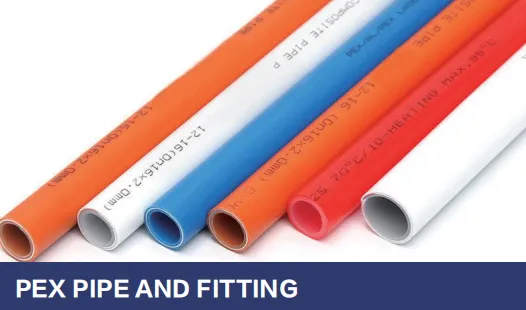
Let's say you're standing in the middle of your kitchen, paint samples scattered on the counter, a contractor's quote in one hand, and a vague sense of overwhelm in the other. You're renovating your home, and while picking out backsplashes and flooring feels exciting, there's one part of the project that's been lingering like a forgotten chore: your plumbing. The old copper pipes under the sink have started to corrode, and every time you run the hot water, you hear a faint rattle that makes you nervous. Your contractor mentioned something about "PEX pipes" being the way to go these days—flexible, durable, affordable. But what exactly is PEX? And how do you choose the right pipes and fittings without feeling like you're drowning in technical jargon?
If this sounds familiar, you're not alone. For most homeowners, plumbing isn't the glamorous part of a renovation, but it's the backbone of a functional, comfortable home. The wrong pipes can lead to leaks, low water pressure, or even costly repairs down the line. That's why choosing the right PEX pipe and fitting solution matters—and it's where this guide comes in. We'll break down everything you need to know, from understanding what PEX is to selecting a reliable pex pipe and fitting supplier, so you can make decisions with confidence. Let's dive in.
First things first: let's demystify the term. PEX stands for cross-linked polyethylene, a type of plastic pipe that's been around since the 1960s but has surged in popularity in residential and commercial plumbing over the past two decades. What makes it so special? Unlike rigid copper or galvanized steel pipes, PEX is flexible—think of it like a thick, durable garden hose that can bend around corners without needing elbow joints. This flexibility isn't just convenient during installation (say goodbye to sawing through walls to fit straight pipes!); it also makes PEX resistant to cracks from freezing temperatures, a common issue in colder climates.
But flexibility is just the start. PEX is also lightweight, which means easier for installers and lower labor costs for you. It's resistant to corrosion and scale buildup, so your water flow stays strong for years. And compared to copper, it's significantly cheaper, making it a budget-friendly option for everything from new construction to bathroom remodels. No wonder contractors and homeowners alike are swapping out old pipes for PEX. But here's the catch: not all PEX is created equal. To choose the right one, you need to understand the different types—and how they fit your home's needs.
Walk into a plumbing supply store, and you'll likely see labels like PEX-A, PEX-B, and PEX-C. These letters don't refer to quality (so don't assume "A" is the "best")—they indicate the manufacturing process used to create the cross-links in the polyethylene. Each process results in pipes with slightly different properties, and choosing the right type depends on your project's specific needs. Let's break them down:
| PEX Type | Manufacturing Process | Flexibility | Cost | Common Uses | Best For |
|---|---|---|---|---|---|
| PEX-A | Engel method (cross-linked during extrusion using peroxide) | Most flexible; can be bent into tight curves without kinking | Highest | Radiant floor heating, residential plumbing (hot/cold water) | Projects needing maximum flexibility (e.g., retrofitting old homes with tight spaces) |
| PEX-B | Silane method (cross-linked after extrusion using moisture) | Moderate flexibility; less prone to kinking than PEX-C but stiffer than PEX-A | Mid-range (most affordable of the three) | Residential plumbing (hot/cold water), general use | Standard home plumbing, budget-conscious projects |
| PEX-C | Electron beam method (cross-linked using electron radiation) | Least flexible; stiffer and more rigid | Mid-range | Cold water lines, | Commercial projects, areas with minimal bending required |
**PEX-A**: If you've ever seen a plumber bend a pipe into a U-shape without breaking a sweat, it was probably PEX-A. This type is the most flexible, thanks to its high degree of cross-linking, which makes it resistant to kinking and allows it to expand and contract with temperature changes—ideal for radiant heating systems, where pipes snake through floors. It's also the most expensive, so it's often reserved for projects where flexibility is non-negotiable, like retrofitting a 100-year-old home with narrow wall cavities.
**PEX-B**: The workhorse of residential plumbing. PEX-B is the most commonly used type because it balances flexibility, durability, and cost. It's stiffer than PEX-A but still easy to install, and it holds up well to both hot and cold water. If you're replacing your home's main water lines or installing a new bathroom, PEX-B is likely your best bet. Most pex pipe and fitting suppliers stock PEX-B as their go-to option, so it's readily available and affordable.
**PEX-C**: The least common type for residential use, PEX-C is stiffer and less flexible than A or B. It's often used in commercial settings or for cold water lines where bending isn't a priority. Unless your contractor specifically recommends it for a unique project, you'll probably stick with A or B.
Pro tip: Always check the pipe's labeling for temperature and pressure ratings. Most PEX pipes are rated for up to 180°F (82°C) and 80-100 psi, which is more than enough for residential hot water. But if you're using PEX for a specialized system (like a commercial kitchen with higher temperatures), double-check the specs to avoid issues.
You could have the best PEX pipe in the world, but if you pair it with shoddy fittings, you're asking for leaks. Fittings are the connectors that join pipes together, attach them to fixtures (like faucets or water heaters), and redirect water flow. They're small, but they're critical to your plumbing system's integrity. Here's what you need to know to choose the right ones:
There are three main types of fittings, and each requires a different tool for installation. Your choice may come down to your installer's preference, budget, and the PEX type you're using:
Fittings are made from various materials, each with pros and cons. Brass is the most common—it's durable, corrosion-resistant, and compatible with all PEX types. Copper fittings are also an option but can be pricier and may react with certain water chemistry (like acidic water) over time. Plastic fittings (usually polypropylene) are affordable but less durable, best for cold water lines only. When in doubt, stick with brass fittings from a reputable pex pipe fittings supplier—they're the safest bet for long-term reliability.
Now that you know the basics of PEX types and fittings, let's talk about the practical stuff: how to narrow down your options based on your home's specific needs. These five factors will guide your decision and ensure you don't waste money on pipes that aren't right for you.
PEX is versatile, but it's not a one-size-fits-all solution. Are you installing hot water lines, cold water lines, or a radiant heating system? Hot water lines need PEX rated for high temperatures (look for "PEX-AL-PEX" if you need oxygen barrier for radiant heating, which prevents corrosion in metal components). Cold water lines can use standard PEX-B or C. Radiant heating systems almost always require PEX-A for its flexibility. Be clear on your application before you start shopping—your pex pipe and fitting supplier should ask you this upfront, but it's good to know yourself.
PEX pipes come in different diameters, typically ½ inch, ¾ inch, and 1 inch. The size determines water flow rate—smaller pipes (½ inch) are fine for fixtures like sinks and showers, while larger pipes (¾ inch or 1 inch) are needed for main water lines or high-flow appliances like washing machines. Your plumber can calculate the right size based on your home's square footage and the number of fixtures, but a general rule: ½ inch for individual fixtures, ¾ inch for branches, and 1 inch for the main line.
Not all PEX is created equal, and subpar materials can lead to leaks, contamination, or even health risks. Always check for certifications from organizations like NSF International (NSF/ANSI 61 for drinking water safety) or ASTM International (ASTM F876/F877 for PEX pipes and fittings). These certifications ensure the pipes are free from harmful chemicals (like lead) and can withstand the pressures and temperatures they're rated for. A trustworthy pex pipe and fitting supplier will prominently display these certifications on their products or website—if you can't find them, walk away.
PEX is freeze-resistant, but extreme cold can still cause issues. If you live in an area with harsh winters, look for PEX with a higher freeze tolerance (PEX-A is the most resilient here, as it can expand more without bursting). You'll also want to insulate PEX pipes in unheated areas like basements or attics to prevent freezing. Conversely, if you live in a hot climate, ensure the PEX is rated for high temperatures (up to 180°F) to avoid warping.
PEX is cheaper than copper, but costs still add up. PEX-A is the most expensive, followed by PEX-C and PEX-B. Fittings, tools, and installation (if you're hiring a pro) will also factor into your budget. Set a realistic amount upfront, and prioritize quality for critical areas (like main water lines). Remember: spending a little more on durable PEX-B and brass fittings now can save you from costly leaks later.
You've nailed down the type of PEX and fittings you need—now it's time to find a supplier. This might seem like a afterthought, but a reliable pex pipe and fitting supplier can make or break your project. A bad supplier might sell you counterfeit PEX (yes, it's a thing!), deliver damaged pipes, or leave you hanging when you need technical support. Here's how to spot a good one:
A top supplier won't just sell PEX pipes—they'll offer a full suite of pex pipe and fitting solutions, including different PEX types, fittings, tools, and accessories like hangers and insulation. This means you can get everything you need in one place, saving time and ensuring compatibility (nothing's worse than buying pipes from one supplier and fittings from another, only to find they don't work together). Check their website or catalog for product variety—if they only stock one type of PEX, they might not have the expertise to guide you.
In today's digital age, a quick Google search can tell you a lot. Look for reviews from other homeowners or contractors. Do they mention timely delivery? Quality products? Responsive customer service? Avoid suppliers with consistent complaints about leaks, damaged goods, or unhelpful staff. You can also ask your plumber for recommendations—they've worked with dozens of suppliers and know who's reliable.
As we mentioned earlier, certifications are non-negotiable. A reputable supplier will be happy to share proof of NSF, ASTM, or other industry certifications for their products. If they hesitate or claim "we don't need certifications," that's a red flag. Counterfeit PEX is often uncertified and can leach chemicals into your water or fail under pressure—don't take the risk.
Even if you've done your homework, you might have questions: "Will PEX-A work with my existing copper fittings?" "What size pipe do I need for my shower?" A good supplier will have knowledgeable staff who can answer these questions and guide you to the right products. Test their support before buying—send an email or call with a question. If they respond quickly and clearly, that's a good sign. If they're dismissive or don't know the answer, move on.
Price matters, but it shouldn't be the only factor. A supplier offering PEX at 50% below market value is probably cutting corners. Instead of going for the cheapest option, look for fair pricing. Remember, investing in quality PEX now will save you from expensive repairs later. Many suppliers offer bulk discounts, so if you're doing a large project, ask about pricing for bigger orders.
Even with the best materials, poor installation can lead to problems. Here are some common mistakes homeowners and even inexperienced plumbers make—and how to avoid them:
PEX pipes are durable, but they're not indestructible. With proper care, they can last 40-50 years—here's how to extend their lifespan:
Choosing PEX pipes and fittings might not be the most exciting part of your home renovation, but it's one of the most important. The right PEX solution will keep your water flowing smoothly, save you money on energy bills (thanks to better insulation), and give you peace of mind for decades. By understanding PEX types, fittings, and what to look for in a pex pipe and fitting supplier, you're already ahead of the game.
Remember: this is an investment in your home's future. Don't rush the process, ask questions, and don't settle for subpar products. With the right knowledge and a reliable supplier, you'll have a plumbing system that works as hard as you do—quietly, efficiently, and without drama. Here's to leak-free showers, steady water pressure, and a home that feels like a home, inside and out.
Recommend Products












