
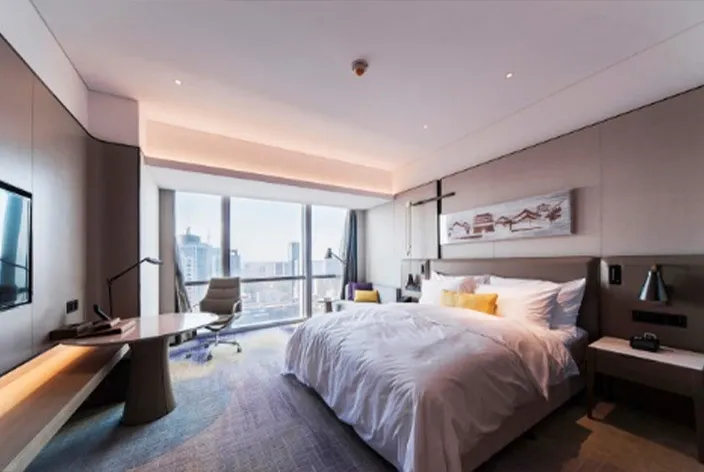
Lighting is one of the most underestimated yet transformative elements in hospitality design. A well-lit lobby can make guests feel welcomed the moment they step through the door; a thoughtfully illuminated guest room can turn a standard stay into a memorable experience. For hotel developers and project managers, selecting the right hospitality lighting supplier is not just about buying fixtures — it is about partnering with a team that understands the full scope of a construction project and can deliver lighting solutions that align with the overall architectural vision.
When planning a hotel or resort project, procurement teams often juggle dozens of categories — from walls and flooring to furniture and appliances. This is where working with a reliable building material supplier that offers a comprehensive range of products can dramatically simplify the process. Instead of coordinating with multiple vendors for different material categories, a single capable partner can streamline procurement, reduce logistical complexity, and ensure consistency across every space.
Unlike residential or standard commercial lighting, hospitality lighting must serve multiple purposes simultaneously. It needs to create ambiance in public areas, provide functional task lighting in guest rooms, highlight architectural features in corridors, and withstand outdoor conditions in landscape settings. The best hospitality lighting designs layer ambient, task, and accent lighting to create depth and flexibility — allowing a single space to transition from a bright breakfast venue in the morning to an intimate dinner setting in the evening.
Hotel operators also face growing pressure to reduce energy consumption. Modern LED technology, combined with smart control systems, can significantly reduce lighting-related energy consumption compared to traditional halogen or incandescent fixtures. A forward-thinking supplier will offer not only decorative fixtures but also energy-efficient solutions that align with green building certifications and long-term operational cost goals.
Every hotel has distinct zones that require tailored lighting approaches. Understanding these zones helps procurement teams communicate their needs more effectively to suppliers.
The lobby is the hotel's first impression. Statement chandeliers, pendant lights, and decorative wall lamps create a sense of arrival. Warm color temperatures (2700K–3000K) are generally preferred to evoke comfort and luxury. Adjustable lighting levels allow the space to adapt throughout the day.
Guest rooms need layered lighting: ambient ceiling fixtures for general illumination, bedside reading lamps for focused tasks, and accent lights to highlight artwork or architectural details. Cordless LED table lamps and dimmable controls are increasingly popular in upscale properties, giving guests personalized control over their environment.
Dining areas benefit from a mix of decorative pendants, track lighting, and wall sconces. The lighting should complement the interior design theme while remaining flexible enough for different event types — from corporate breakfasts to wedding receptions. Magnetic track light systems are a popular choice for their adaptability.
Pathways, garden areas, building facades, and pool decks all require weather-resistant fixtures. Outdoor lighting serves both aesthetic and safety functions. Well-placed garden lights and spotlights can transform a resort's nighttime landscape into a signature feature.
Choosing the right supplier goes beyond comparing product catalogs. Here are the key criteria that experienced hotel developers evaluate:
A strong supplier should offer a broad portfolio — chandeliers, pendant lights, wall lamps, spotlights, strip lights, table lamps, outdoor lighting, and more. Equally important is the ability to customize designs to match a hotel's specific interior concept. Standard off-the-shelf products rarely satisfy the requirements of a boutique or luxury hotel project.
Look for suppliers with documented quality management systems and relevant certifications. Products should meet international safety and performance standards. For hotels targeting green certifications such as LEED or BREEAM, energy efficiency data and material compliance documentation are essential.
A capable supplier provides more than products — they offer technical support during the specification phase, produce samples for approval, manage production timelines, and coordinate international shipping. For large-scale hospitality projects, the ability to handle complex logistics and deliver on schedule is a decisive factor.
While lighting is critical, it is only one piece of a much larger puzzle. Hotel projects also require flooring, wall panels, sanitary ware, furniture, doors and windows, electrical systems, and more. Coordinating separate suppliers for each category introduces significant overhead — multiple points of contact, fragmented shipping schedules, and inconsistent quality standards.
An one-stop architectural solution provider addresses this challenge by consolidating procurement across categories. COLORIA GROUP, for example, supplies not only hospitality lighting — including chandeliers, pendant lights, wall lamps, spotlights, magnetic track lights, strip lights, garden lights, and customized decorative lighting — but also a full spectrum of building materials and interior products. This integrated model means project managers deal with a single team, a single quality standard, and a coordinated delivery timeline.
A truly cohesive hotel interior requires harmony between lighting and every other design element. The same supplier that provides your lobby chandeliers should ideally be able to supply the wall panels, flooring, and furniture that those chandeliers illuminate. This ensures design consistency and simplifies the procurement process.
COLORIA GROUP's product portfolio spans 13 categories covering both interior and exterior needs. For hospitality projects, key complementary categories include customized furnitures — kitchen cabinets, wine cabinets, TV cabinets, walk-in closets, and tatami installations — as well as sanitary fixtures and bathroom solutions, windows and doors, and home and kitchen appliances. This breadth allows hotel developers to source a significant portion of their FF&E (Furniture, Fixtures, and Equipment) from a single partner.
Based on experience from completed hospitality projects, here are several practical tips for procurement teams:
The right hospitality lighting transforms a building into a destination. For hotel developers and procurement managers, selecting a capable supplier is one of the most consequential decisions in the project timeline. Beyond lighting, the ability to source complementary building materials — wall panels, flooring, furniture, sanitary ware, appliances, doors, and windows — from a single trusted partner saves time, reduces risk, and delivers a more cohesive final result.
COLORIA GROUP, headquartered in Foshan, China, with an overseas agent in Saudi Arabia, has built its reputation as a comprehensive supplier serving residential and commercial projects worldwide. With products spanning walls, flooring, ceilings, pipes and fittings, sanitary fixtures and bathrooms, customized furniture, home and hotel appliances, windows and doors, decorative profiles, elevators, electrical fixtures, lights, and solar panels, the company is positioned to support hospitality projects from concept to completion.
Whether you are planning a boutique hotel, a resort expansion, or a large-scale commercial hospitality project, COLORIA GROUP offers end-to-end solutions tailored to your specifications. Explore the full product range or reach out to discuss your project requirements.
Contact Us TodayRecommend Products












