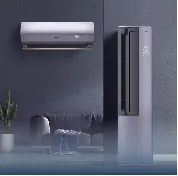
How to Choose the Right Air Conditioner Solutions for Your Building Project
Air conditioning is no longer a luxury — it is an essential component of modern residential and commercial buildings. Whether you are outfitting a hotel, an office tower, a retail space, or a family home, the quality of your
air conditioner solutions directly affects occupant comfort, energy consumption, and long-term operational costs. Making the right choice requires a clear understanding of building requirements, climate conditions, and the available technology on the market.
Understanding the Types of Air Conditioning Systems
Before selecting a system, it is important to know the main categories available. Split systems remain the most common choice for individual rooms and small apartments, offering a balance of cost and efficiency. For larger spaces such as open-plan offices, hotel lobbies, and retail stores, ducted and cassette-type units provide even cooling distribution across wide areas. Multi-split and VRF (Variable Refrigerant Flow) systems are gaining popularity in mid-to-large commercial projects because they allow different zones to be cooled or heated independently, offering both flexibility and energy savings.
Each type comes with its own set of installation requirements, maintenance needs, and operational characteristics. A split unit may be sufficient for a small shop, but a multi-story hotel will benefit far more from a centralized VRF system that can serve dozens of rooms simultaneously while keeping energy use under control.
Key Factors to Evaluate Before You Buy
When evaluating different
air conditioner solutions, several factors should guide your decision:
Cooling capacity (BTU): A unit that is too small will struggle to cool the space, while an oversized unit will cycle on and off too frequently, wasting energy and failing to dehumidify properly. Calculate the room area and heat load carefully.
Energy efficiency rating: Look for models with high SEER (Seasonal Energy Efficiency Ratio) or EER ratings. Inverter technology, which adjusts compressor speed based on demand, can reduce electricity consumption by 30% or more compared to traditional fixed-speed units.
Noise level: For bedrooms, hotel guest rooms, and study areas, quiet operation is critical. Many modern units operate at sound levels as low as 19-24 dB, which is barely audible.
Installation and maintenance access: Consider whether your building has adequate ceiling space for cassette units, external wall space for outdoor condensers, and easy access for routine filter cleaning and servicing.
Climate compatibility: In regions with extreme heat, choose units designed to perform reliably at high ambient temperatures. Some models are also equipped with heat pump functionality for year-round use.
Integrating Air Conditioning into a Broader Building Plan
Air conditioning should never be planned in isolation. It forms part of a larger ecosystem that includes wall insulation, window glazing, ceiling design, and electrical infrastructure. A well-insulated building with energy-efficient windows will place far less demand on the air conditioning system, reducing both upfront equipment cost and ongoing electricity bills.
For this reason, project managers and contractors increasingly prefer working with a
one-stop architectural solution provider who can supply everything from wall panels and flooring to lighting, plumbing, and climate control equipment. Coordinating all these elements through a single supplier reduces procurement complexity, ensures compatibility between systems, and often results in better pricing.
The Case for a Comprehensive Building Material Supplier
The construction industry has long suffered from fragmented supply chains. Contractors spend weeks sourcing walls from one vendor, flooring from another, and appliances from yet another — each with its own lead time, shipping schedule, and quality standards. This fragmentation creates delays, inflates costs, and introduces coordination risks.
Working with a reliable
building material supplier that covers multiple product categories under one roof simplifies the entire process. From interior elements like walls, flooring, and customized furniture to exterior components such as windows, doors, and solar panels, a full-range supplier helps you maintain consistency and control across every phase of the project.
A Real-World Example: Hotel and Hospitality Projects
Hotels present a particularly demanding environment for air conditioning. The lobby requires powerful, wide-coverage cooling to handle high foot traffic and open doors. Guest rooms need whisper-quiet units that do not disturb sleep. Conference halls and restaurants generate variable heat loads depending on occupancy and kitchen activity. A single-building solution that integrates different unit types — cassette units for common areas, ducted or wall-mounted splits for guest rooms — is the most effective approach.
Beyond air conditioning, a hotel project also requires sanitary fixtures, customized furniture, lighting systems, kitchen appliances, and decorative profiles. Sourcing all of these from a single
one-stop architectural solution provider streamlines the entire build, from design to handover.
Get Expert Guidance on Your Next Project
Choosing the right
air conditioner solutions is just one part of a successful building project. Whether you are developing a residential complex, a commercial office, or a hospitality venue, having a knowledgeable partner who understands the full spectrum of building materials makes all the difference.
COLORIA GROUP offers a comprehensive range of products — from walls, flooring, and ceilings to pipes, sanitary ware, furniture, appliances, windows, doors, elevators, lighting, and solar panels. With an experienced team and a global supply network, we help clients reduce procurement headaches and deliver projects on time and on budget.
Visit our website to explore the full product catalog, or contact our team directly to discuss your project requirements. Together, we build the future.