
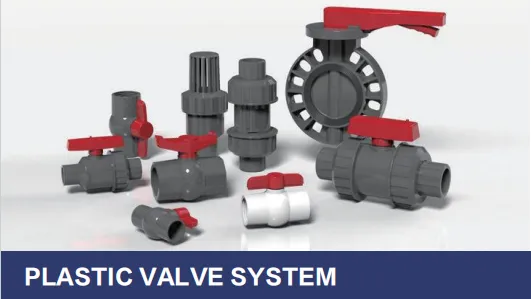
In the complex world of construction, every component matters—but few are as critical as the plastic valve systems that regulate water flow, pressure, and safety in residential, commercial, and industrial buildings. Whether you're building a high-rise in Riyadh, a hospital in Jeddah, or a school in Dammam, the right plastic valve system supplier can mean the difference between a project that stays on time, under budget, and compliant with regulations—and one riddled with delays, leaks, or safety hazards. But with so many options available, how do you narrow down the choices? This guide will walk you through the key factors to consider, from understanding your project's unique needs to evaluating a supplier's reliability, so you can make a decision that protects your project's success for years to come.
Before you even begin researching suppliers, take a step back and define what your project actually requires. Plastic valve systems aren't one-size-fits-all, and assuming a generic supplier will work could lead to costly mismatches. Start by asking: What type of building are you constructing? A hospital or school, for example, has strict fire safety standards—think of the Class A fireproof CPL inorganic boards used in such facilities, which demand equally rigorous safety from (supporting valve systems). A residential project might prioritize cost-effectiveness, while a commercial high-rise may need valves rated for high pressure and heavy usage.
Location matters too. If your project is in Saudi Arabia, partnering with a Saudi Arabia building materials supplier that specializes in plastic valve system solutions can offer distinct advantages. Local suppliers understand regional regulations, climate challenges (like extreme heat, which can affect plastic durability), and logistics networks—critical for avoiding delays in a country where construction timelines are often tight. They may also have existing relationships with local contractors, making coordination smoother.
Don't forget to consider scale. A small residential renovation might only need a handful of valves, but a large commercial project could require hundreds, plus compatible pipes and fittings. In this case, working with a supplier that also offers complementary products—like a PPR pipe and fitting supplier or a UPVC pipe supplier—can streamline your supply chain. Imagine coordinating with one vendor for valves, pipes, and fittings instead of three separate ones: fewer communication gaps, faster troubleshooting, and potentially bulk pricing discounts.
When it comes to plastic valve systems, "quality" isn't just a buzzword—it's a safety imperative. A poorly made valve can lead to leaks, water damage, or even system failures that risk lives, especially in critical settings like hospitals. So how do you verify quality? Start with certifications. Reputable suppliers will hold certifications from globally recognized bodies like ASTM (e.g., ASTM D2846 for CPVC pipes and fittings), DIN (such as DIN standard PN10 for PVC pipe fittings), or ISO 9001 for quality management systems. These certifications aren't just pieces of paper; they're proof that the supplier's products have undergone rigorous testing for durability, pressure resistance, and compliance with industry standards.
For specialized projects, look for suppliers that go above and beyond basic certifications. For example, if you're building a school or hospital, you'll need valves that meet fire safety codes—similar to how Class A fireproof CPL inorganic boards are mandated for walls in these settings. Ask suppliers if their valves are tested for fire resistance, low smoke emission, or chemical resistance (important for hospitals using harsh cleaning agents). A supplier that can provide test reports or third-party audits for these specific criteria is one that takes quality seriously.
Material transparency is another red flag. Avoid suppliers that are vague about what their valves are made of. High-quality plastic valves are typically crafted from materials like UPVC (for cold water systems), PPR (for hot water), or CPVC (for high-temperature applications). Each material has unique properties—UPVC, for instance, is rigid and chemical-resistant, making it ideal for DWV (drain, waste, vent) systems, while PEX is flexible and suitable for radiant heating. A trustworthy supplier will explain the material benefits and limitations upfront, helping you choose the right fit for your project.
A great plastic valve system supplier doesn't just sell valves—they offer a ecosystem of products that work together seamlessly. Think about it: if your project uses UPVC pipes, pairing them with valves from a different manufacturer could lead to mismatched diameters, thread sizes, or pressure ratings, resulting in leaks or reduced efficiency. That's why it's smart to choose a supplier that also acts as a pipes fittings supplier, offering everything from valves to PVC DWV pipes, PPR fittings, and even accessories like gaskets or flange adapters.
For example, a supplier that provides both plastic valve systems and UPVC pipe solutions can ensure that the valves and pipes are engineered to work in tandem, minimizing the risk of compatibility issues. This is especially important for large-scale projects, where even a small mismatch in a single valve could delay installation for days. Some suppliers even offer "system packages"—pre-configured sets of valves, pipes, and fittings tailored to specific project types (e.g., residential plumbing, commercial HVAC). These packages save time and reduce the chance of human error when ordering individual components.
Don't overlook niche products, either. If your project requires specialized valves—like those for high-pressure systems (CPVC SCH80) or well casing (PVC well casing and screen pipes)—ensure the supplier has experience with these applications. A supplier that only stocks basic valves might struggle to meet your needs if your project has unique demands, forcing you to source from multiple vendors and complicate your workflow.
Every construction project has quirks—unusual space constraints, specific pressure requirements, or custom design elements that demand non-standard solutions. In these cases, a supplier that offers plastic valve system solutions (not just products) becomes invaluable. Unlike suppliers that only sell pre-made valves, solution-focused suppliers will work with you to design or modify components to fit your project's unique needs.
For example, imagine you're building a luxury villa with a custom irrigation system that requires valves with unique flow rates to accommodate different garden zones. A supplier that specializes in customization can adjust the valve's internal mechanisms to meet those flow rates, rather than forcing you to adapt your design to fit standard products. Similarly, if your project involves retrofitting an older building with limited access to plumbing shafts, a supplier might offer compact or angled valve designs to fit tight spaces—saving you from costly structural modifications.
To gauge a supplier's customization capabilities, ask about their engineering team. Do they have in-house designers who can collaborate with your architects or engineers? What's their lead time for custom orders? Can they provide prototypes for testing before full production? A supplier that answers these questions confidently—and has examples of past custom projects (e.g., designing valves for a hospital's specialized water treatment system)—is more likely to deliver solutions that align with your vision.
Even the best valves can fail if installed incorrectly. That's why technical support is a non-negotiable factor when choosing a supplier. A reliable plastic valve system supplier should offer more than just delivery—they should be a partner throughout the project lifecycle, from planning to post-installation.
Start by asking about on-site support. Will the supplier send technicians to your job site to help with installation training? Can they troubleshoot issues in real time if a valve malfunctions during testing? For complex projects, this support can be a lifesaver. For example, installing PEX pipe and fittings requires specialized knowledge of crimping tools and temperature limits; a supplier that offers on-site training for your contractors reduces the risk of installation errors that could lead to leaks down the line.
Documentation is another key part of technical support. Does the supplier provide detailed installation guides, maintenance manuals, and warranty information? Clear documentation not only helps your team work efficiently but also protects you in case of disputes. For instance, if a valve fails within the warranty period, having a written record of the product's intended use and maintenance requirements will make it easier to claim a replacement.
Finally, consider long-term support. What happens if you need replacement valves five years after the project is completed? A supplier with a strong track record and commitment to customer service will still be around to fulfill those orders, whereas a fly-by-night vendor might have gone out of business. Look for suppliers with a history of serving the Saudi Arabia market or regional construction industry—stability matters.
In construction, time is money—and a supplier that misses deadlines can derail your entire project. Imagine scheduling a plumbing crew to install valves on a specific week, only to have the supplier delay delivery by two weeks. Suddenly, your crew is idle, subcontractors are rescheduling, and your project timeline slips. To avoid this, you need a supplier with a proven track record of reliability.
Start by asking for references. A reputable supplier will happily share contact information for past clients, especially those with projects similar to yours (e.g., other Saudi Arabia building materials clients). Reach out to these references and ask: Did the supplier deliver on time? Were there unexpected delays, and how did they handle them? Were products consistent in quality, or were there issues with damaged or defective items?
Logistics matter too, especially in a country as geographically diverse as Saudi Arabia. A supplier based in Riyadh might have no trouble delivering to nearby cities, but can they efficiently transport large orders to remote areas like Abha or Tabuk? Look for suppliers with a network of warehouses or partnerships with reliable logistics companies to ensure timely delivery, even to hard-to-reach sites. Some suppliers even offer express delivery options for urgent orders, which can be a lifesaver when a last-minute design change or emergency repair arises.
Inventory management is another indicator of reliability. A supplier with low stock levels might struggle to fulfill large orders, while one with overstocked warehouses could be selling outdated or expired products. Ask about their inventory turnover rate and how they forecast demand. A supplier that uses data to predict market needs (e.g., anticipating a surge in construction projects during Saudi Arabia's building season) is more likely to have the products you need when you need them.
Let's be honest: budget is always a factor in construction. But choosing the cheapest plastic valve system supplier can end up costing you more in the long run. A valve that's $5 cheaper upfront might fail after a year, requiring expensive repairs or replacements. On the flip side, overpaying for brand-name valves with features you don't need (e.g., high-pressure ratings for a low-flow residential system) wastes money that could be better spent elsewhere. The key is to focus on value —the balance between cost, quality, and long-term performance.
To calculate value, consider the total cost of ownership (TCO). This includes not just the initial purchase price, but also installation costs, maintenance expenses, and the expected lifespan of the valves. For example, a PPR pipe and fitting system might cost more upfront than a PVC system, but PPR's resistance to corrosion and high temperatures could mean it lasts twice as long, reducing replacement costs over time. A good supplier will help you calculate TCO, breaking down how their products' durability and efficiency translate to savings in the future.
Don't be afraid to negotiate, either. Many suppliers offer discounts for bulk orders, especially if you're purchasing multiple product lines (e.g., valves, pipes, and fittings). Some also provide loyalty programs for repeat clients or early payment incentives. Just ensure that negotiations don't compromise quality—never agree to substitute materials or skip certifications to lower costs. Remember: in construction, cutting corners on critical components like valves is a risk that rarely pays off.
| Evaluation Criteria | Why It Matters | Questions to Ask Suppliers |
|---|---|---|
| Certifications | Ensures compliance with safety and quality standards | "What certifications do your plastic valve systems hold? Can you provide copies of test reports?" |
| Product Range | Reduces the need for multiple suppliers; ensures compatibility | "Do you offer complementary products like pipes, fittings, or accessories? Can you provide system packages?" |
| Customization | Addresses unique project needs (e.g., space constraints, special pressure requirements) | "What's your process for customizing valves? What's the typical lead time for custom orders?" |
| Technical Support | Minimizes installation errors and post-project issues | "Do you offer on-site installation training? How quickly can your team respond to technical questions?" |
| Reliability | Prevents project delays and (additional costs) | "What's your on-time delivery rate? Can you share references from clients in Saudi Arabia?" |
In 2023, a construction firm in Jeddah was tasked with building a 10-story office complex—with a tight 12-month deadline. The project required hundreds of plastic valves for its plumbing and HVAC systems, and the team initially chose a low-cost supplier based solely on price. Within weeks, problems arose: valves arrived with mismatched thread sizes, and some even cracked during installation due to poor material quality. By the time the team realized the issue, the supplier had gone silent, leaving them with non-functional components and a delayed timeline.
Desperate to get back on track, the firm switched to a Saudi Arabia building materials supplier that specialized in plastic valve system solutions. This new supplier conducted a site visit to assess the project's needs, provided valves certified to DIN PN10 and ASTM standards, and even offered on-site training for the installation crew. They also expedited delivery of replacement valves at no extra cost, helping the project recover lost time. In the end, the firm spent slightly more on the new supplier—but avoided tens of thousands of dollars in delays and repairs. The building opened on schedule, and the valves have performed flawlessly for over a year.
Choosing a plastic valve system supplier is a decision that impacts every stage of your construction project—from design to completion and beyond. It requires balancing technical factors (certifications, product range) with practical ones (reliability, cost) and even intangible ones (how responsive the supplier's team is when you call with questions). At the end of the day, the best supplier isn't just a vendor—they're a partner invested in your project's success.
So take your time. Research multiple suppliers, ask tough questions, and don't be swayed by flashy marketing or rock-bottom prices. Look for a team that listens to your needs, explains their products clearly, and has a proven track record of delivering on their promises. In the fast-paced world of Saudi Arabia's construction industry, where projects are ambitious and timelines are tight, the right plastic valve system supplier can be the steady foundation your project needs to thrive.
Recommend Products












