


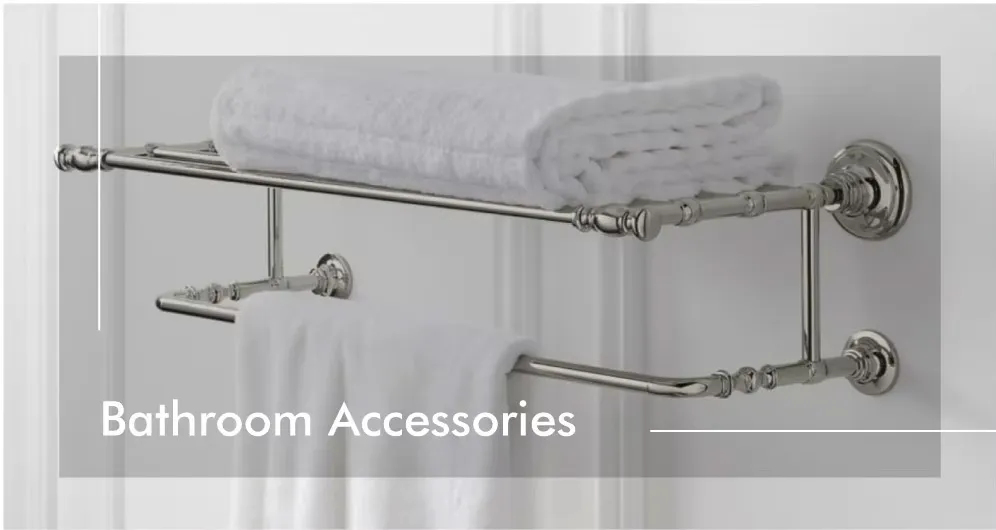
Ever notice how some bathroom fixtures look brand new for years while others start showing rust spots after just a few months? That's not just luck – it's science and craftsmanship working together. Choosing bathroom accessories is about more than matching your tile color. It's about understanding materials, processes, and how moisture and daily use affect metal surfaces.
In this deep dive, we'll cut through the marketing jargon to reveal what truly makes bathroom accessories durable. And yes, we're going to unveil the stainless steel plating process that professionals use but rarely explain to customers. So whether you're renovating a guest bathroom or specifying fixtures for a luxury hotel project, you'll know exactly what to look for.
The Silent Destroyer: Understanding Bathroom Rust
Rust isn't picky – it'll happily munch through your towel bars, faucets, and drain covers. But why does it love bathrooms so much? Three culprits:
- Constant moisture: Bathrooms rarely get truly dry between showers
- Chemical reactions: Soap residue and cleaning products accelerate corrosion
- Temperature swings: Hot showers create condensation cycles
I once inspected a bathroom where the builder used regular steel bolts behind chrome plating. Within a year, rust bled through the finish like ink on wet paper. The homeowner thought it was mold! That's why understanding materials matters more than surface appearances.
Material Showdown: What Actually Withstands Bathroom Conditions?
Zinc Alloys
Common in budget accessories. Thin plating wears off quickly, revealing metal that corrodes when exposed to moisture. Avoid unless you enjoy replacing fixtures frequently.
Brass
A classic choice that develops patina over time. Requires regular polishing. Susceptible to dezincification in aggressive water conditions.
Solid Stainless Steel
The heavyweight champion. Contains chromium that forms an invisible protective layer. Expensive but lasts decades with proper maintenance.
The Magic Behind the Shine: Stainless Steel Plating Process
Step 1: Base Material Preparation
We start with high-quality brass or steel cores. Professional suppliers use ultrasonic cleaning that reaches microscopic pores – no shortcuts. Skip this step and you get peeling finishes later.
Step 2: Electrocleaning
A reverse electroplating bath strips away impurities. The solution typically contains sodium hydroxide and surfactants heated to precise temperatures. Time matters – too long damages the base.
Step 3: Activation Rinse
A mild acid bath (often sulfamic acid) creates the perfect surface for bonding. This is where cheap processes cut corners – insufficient activation causes bubbling within a year.
Step 4: The Plating Tank
The core gets submerged in electrolyte solution containing dissolved stainless steel. Controlled electrical currents draw chromium and nickel ions onto the surface atom by atom. Premium plating takes hours, not minutes.
Step 5: Passivation
The newly plated piece gets dipped in nitric acid to trigger chromium oxide formation. This invisible shield is what stops rust cold. Most consumer-grade accessories skip this cost-saving step.
Quality plating layers measure 25-30 microns thick. Bring a micrometer when shopping – anything under 15 microns won't last.
Field Testing: How to Spot Quality Before You Buy
The Magnet Test
Quality stainless steel has low magnetic attraction. If a fixture snaps to a magnet like it found its soulmate, it's likely cheap steel underneath.
Edge Inspection
Check screw holes and cut edges. Plating often thins at edges – if you see copper or yellow metal peeking through, walk away.
Weight Matters
Pick up similar-looking towel bars. Solid stainless or heavy-plated brass will feel substantially heavier than zinc alloys.
Beyond the Purchase: Making Accessories Last Decades
Even the best accessories need care. Here's what manufacturers won't tell you:
- Never use abrasive cleaners – they microscopically scratch the protective layer
- Dry after deep cleans – water spots contain minerals that etch surfaces
- Check mounting points annually – rust often starts inside screw holes first
A client of mine has brushed nickel fixtures that look new after 15 years. Her secret? Monthly wipe-downs with distilled water and microfiber cloths – no chemicals needed.
Practical Applications: Matching Fixtures to Bathroom Types
High-Moisture Environments
Steam rooms and poolside showers demand 316L surgical-grade stainless steel. This marine-grade alloy laughs at salt spray and chlorinated vapor.
Children's Bathrooms
Opt for fingerprint-resistant matte finishes. Satin nickel hides smudges better than mirror polishes that show every splash mark.
Historic Homes
Consider unlacquered brass that develops character over time. Verify lead content – modern regulations require safer alloys than vintage pieces contained.
The Simple Truth About Lasting Beauty
Choosing bathroom accessories isn't about finding the shiniest option in the showroom. It's understanding the journey from raw metal to finished product. Those extra dollars for professional plating and quality materials?
They buy you mornings without rusty surprises, years without replacement costs, and that quiet satisfaction of knowing you chose fixtures that honor both form and function. Because real quality isn't just surface deep – it's molecular.
Next time you see bathroom accessories shining under showroom lights, remember the hours of electroplating and precision chemistry that makes that beauty last beyond the first steamy shower.










