

When it comes to architectural design and interior decoration, metal series profiles are a popular choice for their sleek aesthetics and structural versatility. However, in humid environments — whether coastal regions, tropical climates, or moisture-prone indoor spaces like bathrooms and kitchens — choosing the right metal series solutions becomes critical. The wrong material can lead to unsightly corrosion, structural weakening, and costly replacements. This guide walks you through the key considerations for selecting metal series that stand up to humidity.
Corrosion is an electrochemical process. When metal surfaces are exposed to moisture and oxygen simultaneously, oxidation occurs. In humid environments — defined as relative humidity above 60% — a thin, invisible layer of water forms on metal surfaces, dramatically accelerating this reaction. Add the presence of chloride ions from coastal air, acidic pollutants in urban settings, or alkaline residues from cleaning products, and the corrosion rate multiplies further.
For building projects in Southeast Asia, the Middle East, or coastal South America, these conditions are not theoretical — they are everyday realities. Selecting the right decorative profiles solutions upfront saves significant long-term maintenance costs and preserves the visual integrity of a building's facade and interior.
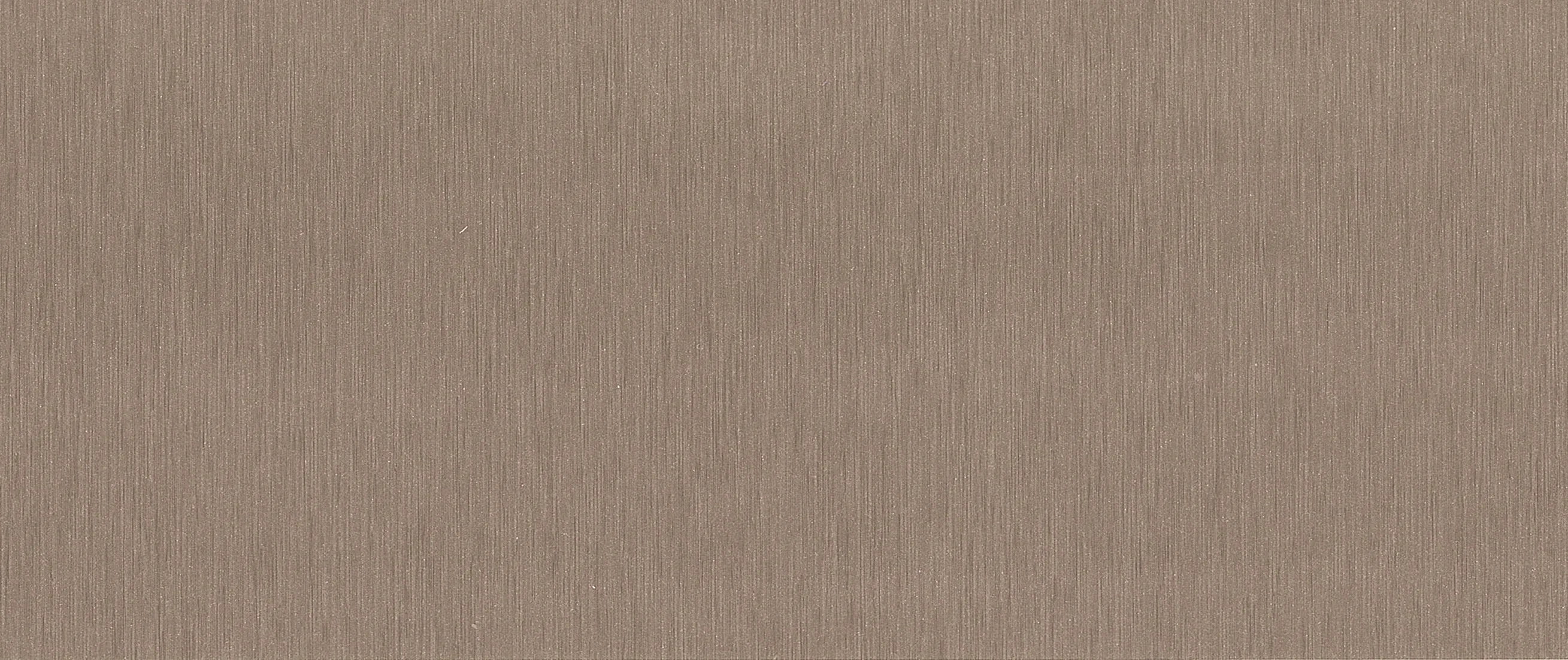
Not all metals are created equal when it comes to fighting humidity. Here is how the most commonly used metals in decorative profile applications perform:
| Metal Type | Corrosion Mechanism | Performance in Humidity | Best Applications |
|---|---|---|---|
| Stainless Steel (304/316) | Chromium forms a self-healing passive oxide layer | Excellent. 316 grade offers superior resistance in coastal/chloride-rich settings | Facade cladding, elevator panels, bathroom trims, kitchen profiles |
| Aluminum Alloy | Natural aluminum oxide film blocks further oxidation | Very good. Anodized or powder-coated surfaces enhance durability | Window frames, curtain walls, sunroom structures, outdoor decorative panels |
| Copper / Brass | Develops a stable patina that protects the substrate | Good. Copper develops a green patina over time; brass offers natural antibacterial properties | Luxury interior accents, decorative inlays, heritage-style facades |
| Galvanized Steel | Zinc coating sacrificially protects the steel core | Moderate. Effective until the zinc layer is consumed, then rust begins | Structural framing, industrial-style profiles, cost-sensitive outdoor projects |
For most architectural applications exposed to humidity, stainless steel and anodized aluminum offer the best balance of durability, aesthetics, and cost-effectiveness. The choice between them depends on the specific environmental conditions and design requirements of your project.
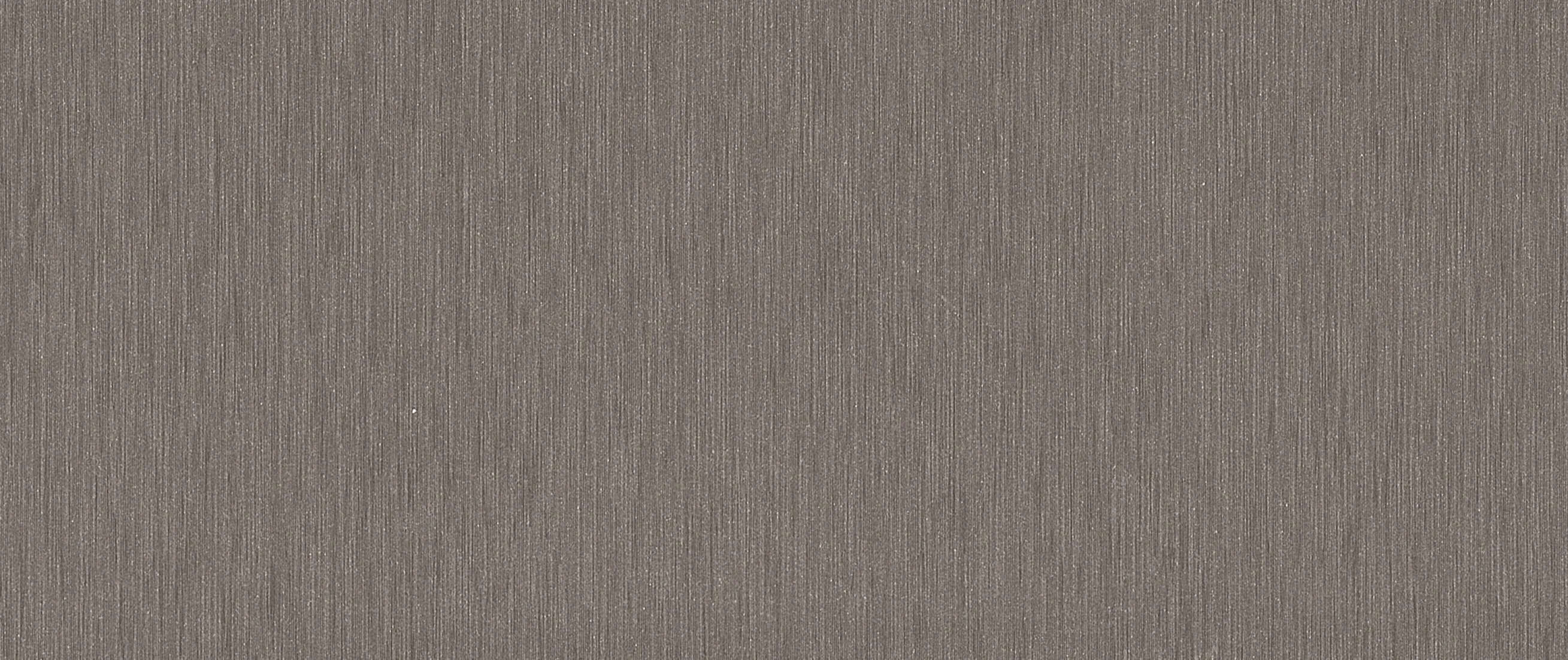
Assess the micro-environment where the metal profile will be installed. Indoor spaces with intermittent humidity — such as a well-ventilated living room — place far less demand on corrosion resistance than a coastal building facade constantly battered by salt-laden sea spray. For the latter, marine-grade stainless steel (316) or specially coated aluminum alloys are non-negotiable.
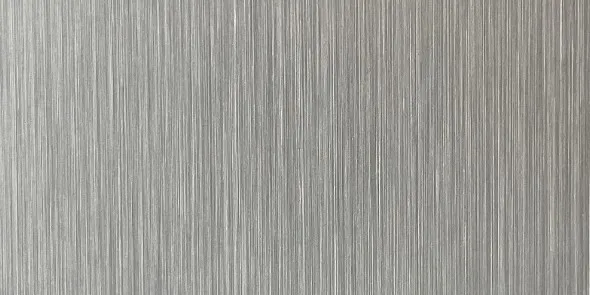
The base metal is only part of the equation. Surface treatments significantly extend service life in humid conditions. Anodic oxidation embeds the protective color layer into the aluminum substrate, making it highly resistant to peeling. Powder coating and fluorocarbon (PVDF) painting add an extra barrier on both aluminum and steel surfaces. For stainless steel, a brushed finish eliminates the risk of coating delamination entirely because the finish is worked directly into the metal.
Galvanic corrosion occurs when two different metals are in contact in the presence of an electrolyte — such as humid air. For instance, aluminum in contact with copper or steel will corrode faster. When designing with mixed metal profiles, always use insulating gaskets, washers, or barrier coatings to separate incompatible materials.
Some metal finishes require periodic cleaning and re-sealing to maintain their protective properties. Powder-coated aluminum and brushed stainless steel are low-maintenance options ideal for large-scale projects where regular upkeep is impractical. Copper and brass, while beautiful, develop a patina that may or may not be desirable depending on the architectural vision.
| Application | Recommended Metal Series | Why |
|---|---|---|
| Coastal building facade | 316 Stainless Steel, PVDF-coated Aluminum | Maximum chloride resistance; UV-stable coating prevents fading |
| Hotel lobby decorative wall | Brushed 304 Stainless Steel, Mirror-finish Aluminum | Indoor humidity is moderate; brushed finish is durable and modern |
| Bathroom / spa interior | 304 Stainless Steel, Anodized Aluminum | High humidity and chemical exposure demand passivation-grade materials |
| Commercial kitchen profiles | 304 Stainless Steel | Resists acidic food vapors, steam, and frequent cleaning agents |
| Outdoor sunroom structure | Powder-coated Aluminum Alloy | Lightweight, weather-resistant, available in various colors |
| Industrial warehouse exterior | Galvanized Steel with topcoat | Cost-effective for large surface areas; sufficient for moderate humidity |
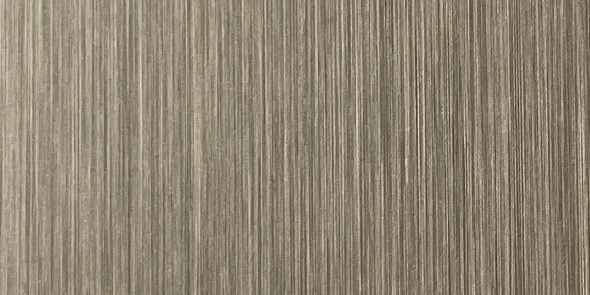
As a one-stop architectural solution provider, COLORIA GROUP helps clients navigate these complexities by supplying a full range of metal series profiles — from stainless steel and aluminum to copper and brass finishes — all backed by rigorous quality testing and tailored to your project's environmental conditions.
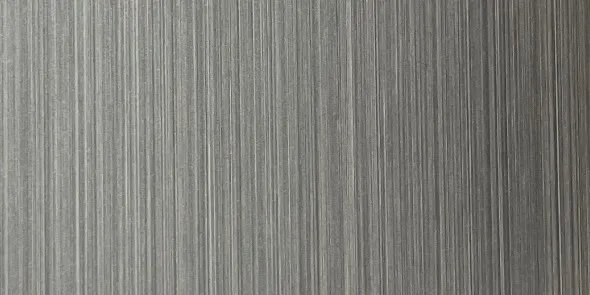
COLORIA GROUP's metal series, part of the broader decorative profiles category, is engineered with real-world humidity challenges in mind. The collection includes a diverse range of finishes — from mirror and matte surfaces to textured wood-grain and stone-effect metal panels — that combine aesthetic flexibility with proven corrosion resistance.
Each product undergoes strict quality control to ensure uniform composition and stable performance. Whether you are sourcing materials for a high-rise hotel in a tropical coastal city, a luxury villa with extensive indoor-outdoor transitions, or a commercial complex requiring durable, low-maintenance decorative cladding, COLORIA GROUP provides materials that maintain their integrity and appearance over years of exposure to challenging conditions.
With headquarters in Foshan, China — the world's leading hub for building materials manufacturing — and an overseas agent in Saudi Arabia, COLORIA GROUP combines competitive factory-direct pricing with global logistics capability. The company's team of specialists offers free material selection consultation, helping you match the right metal series to your specific climate, budget, and design requirements.
Looking for corrosion-resistant metal series for your next project?
Contact COLORIA GROUP Today for Expert Advice and a Custom Quote →Recommend Products












