
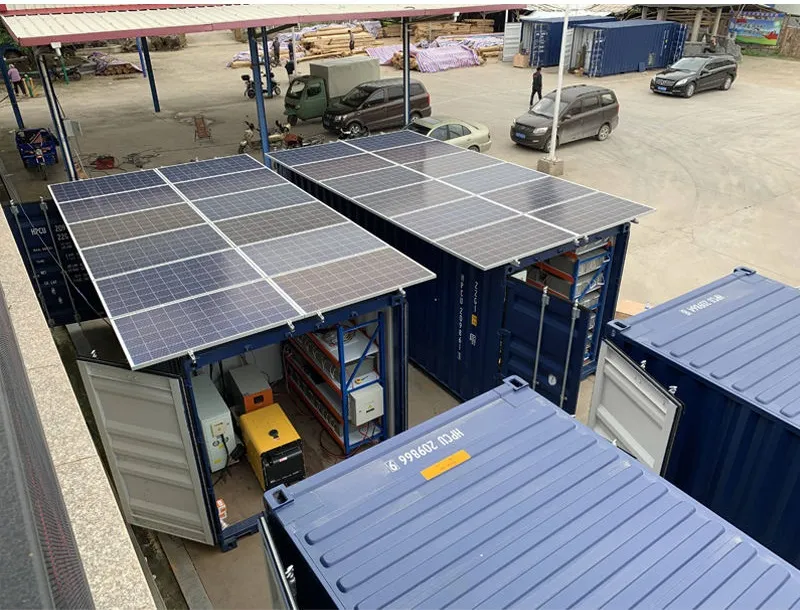
A non-penetrating solar installation is one that holds the panels in place without drilling a single hole through the roofing layer. On many roofs, solar mounting hardware is anchored with screws or bolts that pass straight through the surface, and every one of those holes is a potential entry point for water. Over time, sealants dry out, the roof expands and contracts in the heat, and a single failing point can turn into a slow leak that is expensive to trace and repair.
Non-penetrating systems sidestep that risk entirely. Instead of piercing the roof, they grip the structural standing seams that metal roofing already has built into its design. The result is a solar array that is firmly anchored, fully weather-tight, and respectful of the roof's original heat and warranty protection. For anyone weighing a metal roof against a solar upgrade, this is often the deciding advantage.
The very first thing to confirm is which kind of metal roof you are working with, because it determines what "non-penetrating" can actually look like. The type that makes zero-penetration mounting possible is the standing-seam roof, where adjacent sheets lock together into raised vertical seams that run from the eave to the ridge. Typical standings-seam heights fall anywhere between 1.5 and 3 inches, and those seams are strong enough to carry a clamp.
Within standing seam there are two common families. Snap-lock panels snap together by hand and are the usual choice for homes and smaller projects, with shorter seams. Mechanically seamed panels are crimped together with special equipment, produce taller, tighter seams, and are common on commercial buildings. Both can accept non-penetrating clamps, but they need different hardware, so identify your profile before you buy.
If your roof is trapezoidal or corrugated sheet fixed down by exposed screws, the honest answer is that a true zero-penetration clamp is usually not available. Those roofs generally need a bracket driven through the panel into the structure below, which is a legitimate approach but no longer a non-penetrating one. Knowing this distinction up front saves you from buying the wrong system or making an unrealistic promise to a customer.
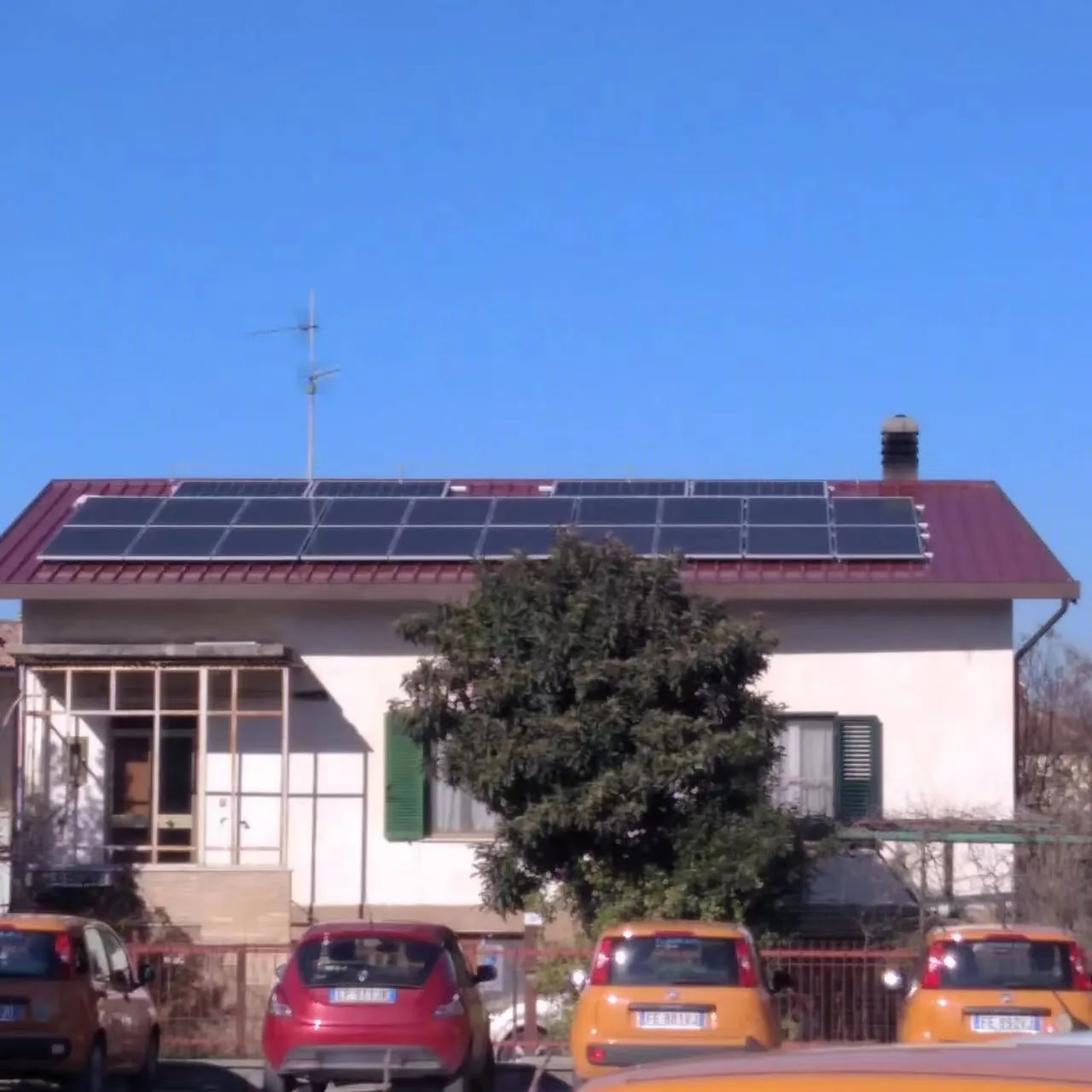
When a non-penetrating path is possible, the heart of the system is the seam clamp. These clamps wrap around the raised seam and bite onto it with setscrews, distributing the weight of the array across the roof structure without piercing the metal. Because they carry the whole load, their compatibility with your exact seam shape and height is the single most important specification to verify.
Ask the supplier three direct questions. Will the clamp fit my panel type and seam height? What load rating does it carry, and under what wind conditions is it tested? And what metal is it made from? Poorly matched clamps, or clamps that are overtightened against a soft seam, can deform the roofing and defeat the whole purpose of going non-penetrating in the first place.
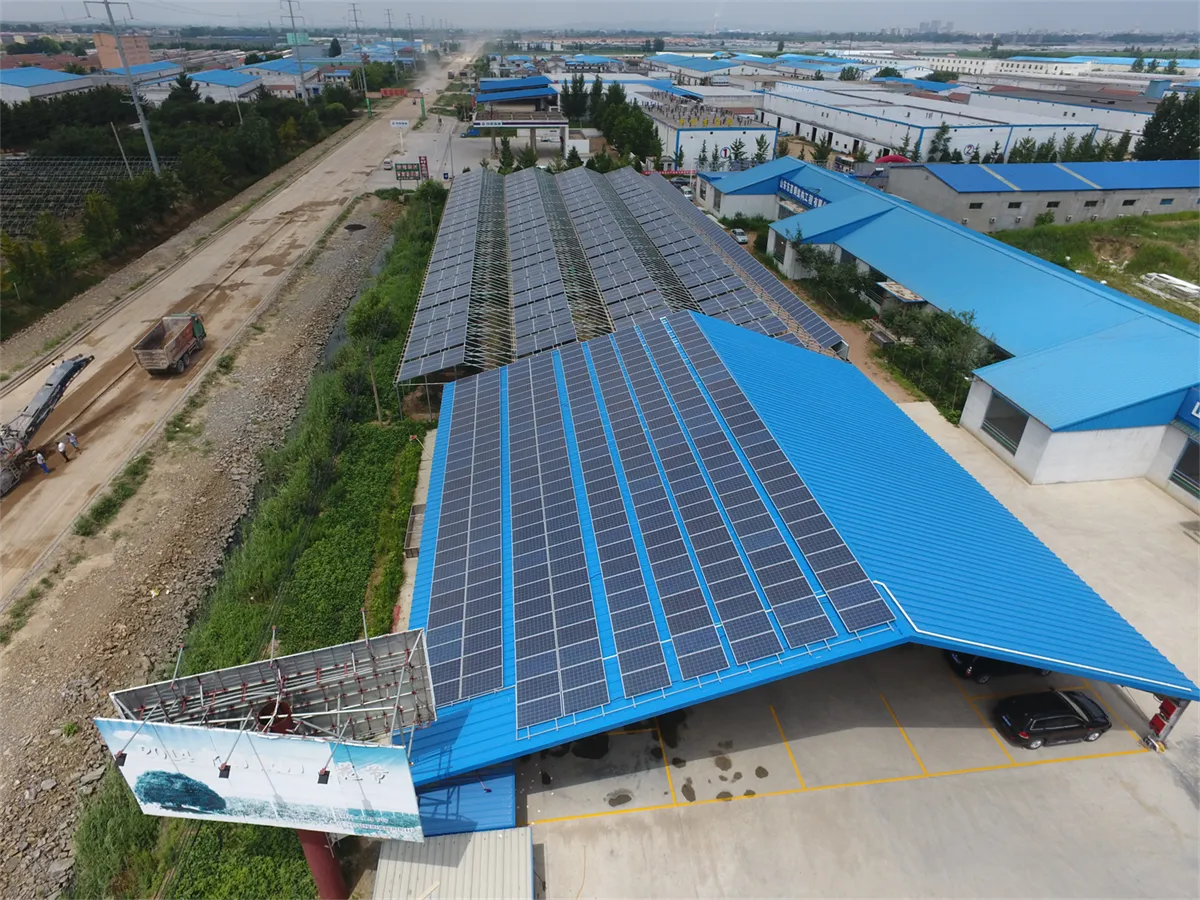
Non-penetrating mounting can be built two ways. Railed systems clamp onto the seams first, then run aluminum rails across them, and finally bolt the panels to those rails. This is the most flexible option, because you can position panels almost anywhere, and it is the safer bet on a complex or irregular roof.
Rail-free, or direct-attach, systems fix the panels straight to an array of seam clamps, removing the heavy rails entirely. They use less material, add less dead load to the roof, and install faster, which usually brings the cost down. Their one requirement is discipline: the roof seams must line up with the points on the panel frame that the manufacturer approves for clamping. If the seam spacing does not match, a rail-free design may not meet its wind rating, and a railed layout becomes necessary. Choose based on your roof's geometry, not on fashion
A non-penetrating mount only earns its name if it stays secure in a storm. Wind can pull upward on a large panel with surprising force, so confirm that the system you select has been tested for uplift resistance in the wind zone where the building stands, and that clamp spacing has been set to handle snow where that applies. A lightweight feel on the showroom bench tells you nothing about performance on the roof.
Materials matter just as much as geometry. Solar racking is usually anodized aluminum, which pairs comfortably with most metal roofing, but the moment stainless steel fasteners meet a galvanized or galvalume surface you invite the risk of galvanic corrosion between dissimilar metals. A reputable mounting system uses suitable metals and proper insulation between them so the roof and the array age together instead of attacking each other.
Because the roof seam is what holds everything up, a non-penetrating installation rises or falls on the quality of the clamps and of the panels themselves. That is why choosing who supplies them matters as much as choosing the hardware. Look for a supplier who can document the load ratings of its mounting components, verify the certification of its panels, and match the correct clamp profile to the roof seam you actually have.
A dependable solar panels supplier will walk you through seam compatibility before you pay, rather than leaving you to discover a mismatch on the roof. The same logic applies to the photovoltaic panels themselves: confirm efficiency, wattage, and warranty coverage up front, and ask whether the panels suit both commercial and residential buildings. A supplier that treats the roof seam as a design partner, not an afterthought, is usually the one worth building a project around.
Bringing all of this together, a sensible route looks like this. Confirm your roof is a standing-seam profile and measure its seam height and spacing. Decide between a railed layout and a rail-free layout based on how the seams line up with the panels. Verify that the clamps and the panels, separately, carry tested wind and structural ratings for your region. Check materials for corrosion compatibility. And finally, deal with a supplier who can support each of those decisions with real numbers.
Dealing with a single solar panel supplier that provides both the hardware and the advice makes the process noticeably smoother, since the components are chosen to fit each other rather than patched together from different sellers. If that supplier also knows the building materials category well, the roof and the solar array tend to come together as one system instead of two systems cautiously bolted side by side.
Non-penetrating metal roof solar is attractive for one clear reason: it protects what matters most, the integrity of the roof. It keeps the weather seal intact, preserves the manufacturer's roofing warranty, and lets the metal expand and contract freely as temperatures change, which is exactly the behavior a metal roof needs to last.
To choose well, keep the sequence simple: know your seam, match the clamp to it, decide between rails and direct attach, confirm the load ratings and materials, and hold your supplier to a standard of verified quality. Get those steps right and you will have an array that is solid in the wind, dry through every storm, and outliving the panels on top of it.
Recommend Products












