

In the world of modern architecture, where aesthetics meet functionality, MCM (Metal Composite Material) flexible cladding stone wall panels have emerged as a game-changer. These panels blend the natural beauty of stone with the durability and flexibility of modern composites, making them a top choice for both residential and commercial projects. Whether you're designing a sleek urban apartment complex, a bustling retail space, or a serene hospital wing, the right MCM panels can elevate the project's visual appeal while ensuring long-term performance. But here's the catch: the success of your project doesn't just depend on the panels themselves—it hinges on the supplier you choose. A reliable MCM flexible cladding stone wall panel supplier can turn your vision into reality, while a subpar one might lead to delays, quality issues, or budget overruns. So, how do you separate the best from the rest? Let's dive into the key factors that should guide your decision.
When it comes to building materials, quality is non-negotiable—and MCM panels are no exception. These panels are exposed to the elements, foot traffic, and daily wear and tear, so their durability, fire resistance, and aesthetic consistency directly impact the project's lifespan and appeal. Start by asking: What materials are used in the panels? Reputable suppliers will use high-grade aluminum cores, weather-resistant coatings, and stone veneers sourced from reliable quarries. Avoid suppliers who cut corners with cheap adhesives or thin metal layers, as these can lead to delamination or fading over time.
Certifications are another red flag (or green light). Look for suppliers whose panels meet international standards, such as ASTM, CE, or local building codes. For example, if your project is a hospital or school, fire safety is paramount—you might even consider suppliers who also offer specialized products like class A fireproof CPL inorganic board for hospital and school applications. While MCM panels themselves are often fire-resistant, a supplier that prioritizes safety across its product line demonstrates a commitment to quality that extends beyond just one product. Don't hesitate to request test reports: a trustworthy supplier will happily share data on fire resistance, water absorption, impact strength, and color retention.
Aesthetic consistency is equally important, especially for large-scale projects. Imagine installing MCM panels on a commercial building's façade only to find subtle color variations between batches—this can ruin the uniform look you're aiming for. Ask the supplier about their quality control processes: Do they use automated color-matching technology? How do they ensure thickness and texture consistency across panels? A supplier with strict in-house quality checks (like random sampling from each production run) is more likely to deliver panels that look and perform uniformly.

Experience isn't just about how long a supplier has been in business—it's about the breadth and depth of their projects. An MCM flexible cladding stone wall panel supplier who has worked on diverse projects (residential high-rises, commercial malls, healthcare facilities) brings valuable insights to the table. They understand the unique challenges of each project type: residential clients might prioritize cost and design flexibility, while commercial clients focus on durability and compliance with strict building regulations.
Don't be shy to ask for case studies or references. A supplier with a strong portfolio will gladly share examples of past work. For instance, if you're working on a luxury residential project, look for suppliers who have experience as a residential building materials supplier—they'll understand the need for custom finishes and attention to detail. For commercial projects, a commercial building materials supplier with a track record in retail or office spaces will know how to balance aesthetics with the practical demands of high-traffic areas.
Reputation is another piece of the puzzle. Check online reviews, industry forums, or ask peers for recommendations. A supplier with consistently positive feedback is likely to be reliable, while one with frequent complaints about delayed deliveries or unresponsive communication should raise concerns. Remember: a supplier's reputation is built over time through consistent performance, so don't overlook this step.
| Supplier Type | Key Strengths | Best For |
|---|---|---|
| Specialized MCM Supplier | Deep expertise in MCM technology; focus on panel innovation | Projects where MCM panels are the star feature (e.g., iconic façades) |
| One-Stop Architectural Solution Provider | Offers a range of materials (flooring, ceilings, pipes); streamlines sourcing | Large-scale projects needing multiple materials (e.g., mixed-use developments) |
| Residential Building Materials Supplier | Understanding of home design trends; flexible customization options | Single-family homes, townhouses, or small apartment complexes |
| Commercial Building Materials Supplier | Experience with high-volume orders; compliance with commercial codes | Office buildings, shopping centers, hospitals, schools |
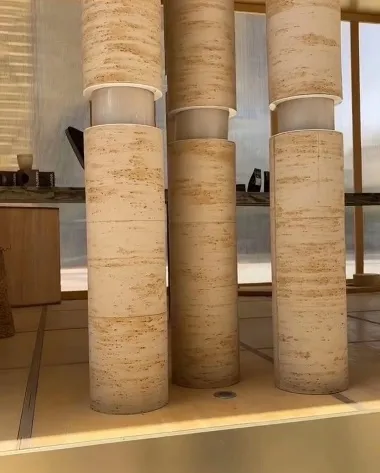
No two projects are the same, and your MCM panels should reflect that. Maybe you want a panel that mimics the texture of Swiss stone for a high-end hotel lobby, or a custom color palette to match a brand's logo for a retail store. Whatever your vision, your supplier should be able to bring it to life. Ask about their customization options: Can they adjust panel thickness, size, or finish? Do they offer custom color matching? Can they create unique textures, like wood grain or matte marble, to suit your design theme?
For example, if you're working on a boutique hotel with a "natural luxury" theme, you might want MCM panels that look like bamboo charcoal board or cloud stone. A supplier with strong customization skills can replicate these textures using advanced printing or embossing techniques. On the flip side, a supplier with limited options might force you to compromise on your design, leading to a final result that feels generic.
It's also worth considering the supplier's production capacity. If you need a large number of custom panels, ensure they have the equipment and manpower to meet your timeline. A supplier with a small factory might struggle with bulk orders, causing delays. Don't hesitate to ask for a production timeline and check if they have backup plans for unexpected issues, like material shortages or machine breakdowns.
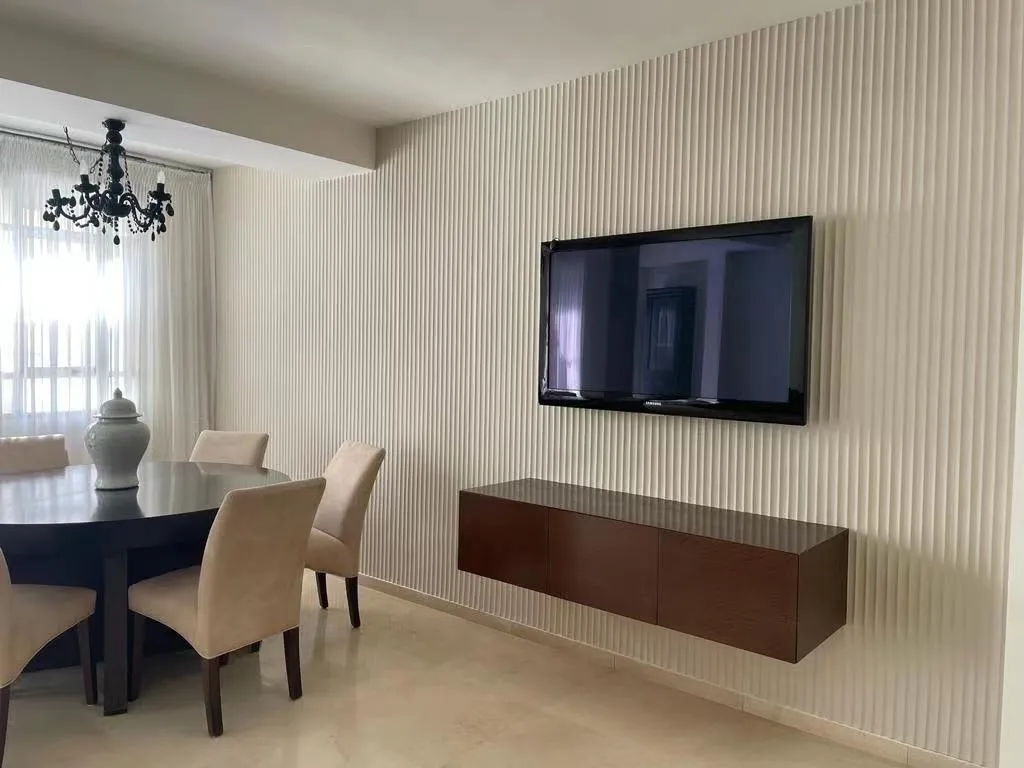
MCM panels are more than just "attach and forget" materials—they require proper installation, maintenance, and sometimes troubleshooting. A great supplier doesn't just sell you panels; they provide ongoing technical support to ensure your project runs smoothly. This support can come in many forms: detailed installation guides, on-site training for your contractors, or access to engineers who can answer questions about panel performance in specific conditions (like high humidity or extreme temperatures).
Let's say you're installing MCM panels on a hospital exterior. Hospitals have strict hygiene and safety requirements, so you might need panels that are easy to clean and resistant to mold. A supplier with experience in healthcare projects (or one who also offers class a fireproof cpl inorganic board for hospital and school solutions) will understand these needs and can recommend the right panel coatings or maintenance routines. They might even connect you with contractors who specialize in installing MCM panels in healthcare settings, saving you time and stress.
Technical support also matters post-installation. What if a panel gets damaged a year after installation? Will the supplier help you source a replacement that matches the original batch? A supplier with a dedicated customer support team will respond promptly to your queries, while one with poor support might leave you stranded. Before signing a contract, ask about their support channels (email, phone, in-person) and response times—this can save you a lot of headaches down the line.

Budget is always a consideration, but when it comes to MCM panels, the cheapest option isn't always the best. Low-priced panels might seem like a good deal upfront, but they could cost you more in the long run due to frequent repairs, replacements, or poor performance. Instead of focusing solely on the price tag, look for value for money —a balance of quality, service, and cost.
Start by getting quotes from multiple suppliers. This will give you a sense of the market rate and help you spot outliers (either suspiciously low or unnecessarily high). When comparing quotes, make sure you're comparing apples to apples: check if the price includes delivery, installation support, or warranties. A quote that seems low might exclude these extras, leading to hidden costs later.
Also, consider the supplier's pricing structure for bulk orders. If you're working on a large commercial project, a supplier might offer discounts for ordering in bulk. On the other hand, a residential building materials supplier might have more flexible pricing for smaller orders, which is ideal for home renovations or small-scale projects. Don't be afraid to negotiate—many suppliers are willing to adjust prices for loyal customers or large orders, especially if you're considering them for future projects.
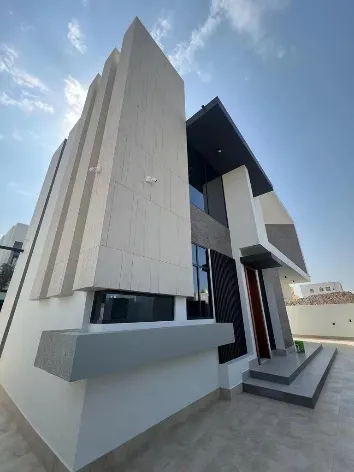
In today's world, sustainability isn't just a buzzword—it's a critical factor for clients, regulators, and the planet. More and more projects are aiming for green building certifications (like LEED or BREEAM), and your choice of MCM supplier can impact your eligibility. Look for suppliers who prioritize sustainable practices, such as using recycled materials in their panels, reducing waste in production, or minimizing their carbon footprint through energy-efficient manufacturing.
Ask about their environmental certifications. For example, do their panels meet low-VOC (Volatile Organic Compound) standards? Are they recyclable at the end of their lifespan? A supplier who can provide documentation of their sustainability efforts is more likely to align with your project's green goals. Additionally, sustainable practices often go hand-in-hand with quality—suppliers who invest in eco-friendly processes tend to be more detail-oriented and forward-thinking, which bodes well for their overall reliability.
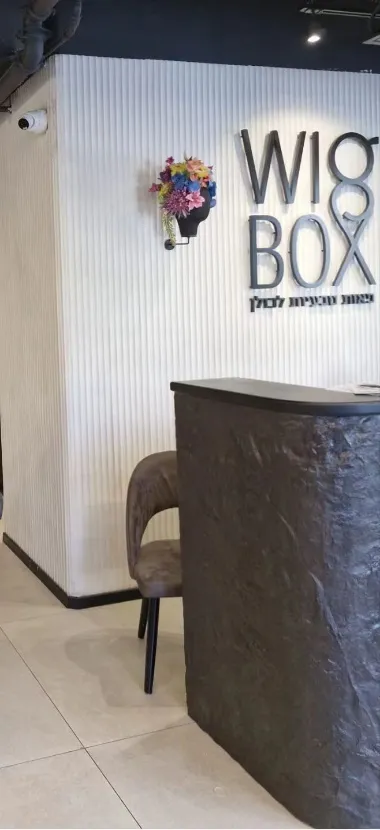
The relationship with your supplier shouldn't end when the panels are delivered. A strong after-sales service is a sign of a supplier who cares about your project's long-term success. This includes warranties, replacement policies, and ongoing communication. For example, a supplier might offer a 10-year warranty on panel performance, giving you peace of mind that they stand behind their product. If a panel fails within that period, they should replace it promptly and at no extra cost.
Another aspect of after-sales service is feedback. A good supplier will check in after installation to see how the panels are performing and if you have any concerns. They might even use this feedback to improve their products or services. This level of engagement shows that they value your business and are committed to building a long-term partnership.
Choosing an MCM flexible cladding stone wall panel supplier is more than just a transaction—it's about selecting a partner who will support your project from concept to completion. By prioritizing product quality, supplier experience, customization capabilities, technical support, fair pricing, sustainability, and after-sales service, you can ensure that your project not only meets but exceeds expectations. Whether you're a residential building materials supplier looking for panels that appeal to homeowners or a commercial builder aiming for a standout façade, the right supplier will be with you every step of the way. So take your time, do your research, and don't settle for anything less than the best—your project deserves it.
Recommend Products











