
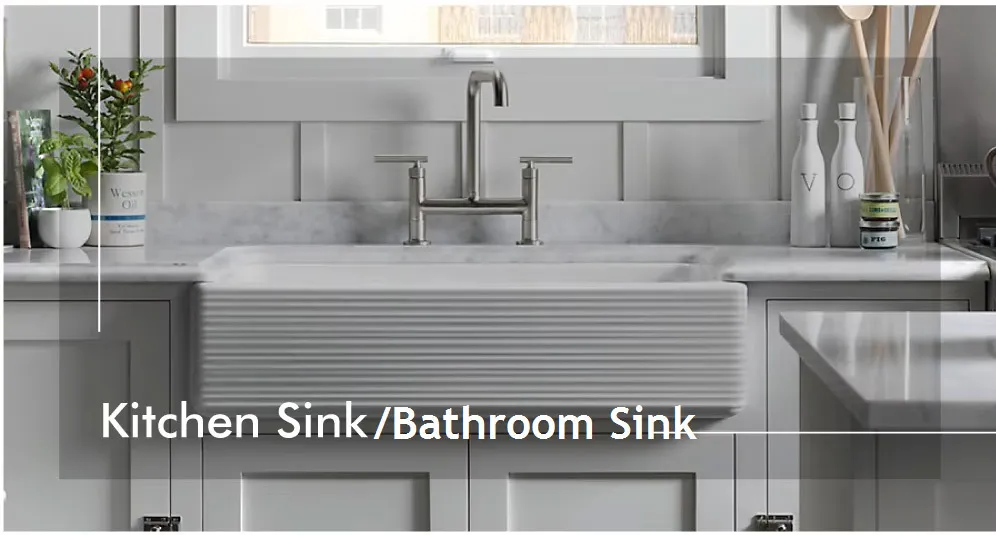
A renovation project gives you a rare chance to get the details right, and few details matter more than the sinks. They sit at the centre of daily life in both the kitchen and the bathroom, so a poorly chosen unit can turn a beautiful renovation into a daily frustration. The good news is that choosing kitchen sink/bathroom sink solutions does not have to be complicated if you work through a few practical questions before you buy. This guide walks you through the whole process, from measuring your space to matching the right material and installation style for your project.
Before you look at a single sink, take stock of what your renovation actually allows. In a full remodel you have freedom to move plumbing, change countertops and rebuild cabinets. In a lighter refresh you are usually limited by the existing cutout, the countertop material and the position of the water supply and drain lines. Measure the cabinet width inside the doors, the countertop depth from the front edge to the backsplash, and the clearance below the basin if you plan to install a garbage disposal or a water filter. Note the number and spacing of pre-drilled faucet holes as well, because a widespread faucet needs a different hole pattern than a single-hole model.
If you are keeping an existing faucet, check that it will still reach and clear the new basin. If you are replacing everything, decide early whether you want one sink or two in the bathroom, and whether the vanity should be centred or offset. Answering these questions first saves you from buying a sink that looks perfect in the showroom but cannot fit your space.
The installation style of a kitchen sink is largely dictated by your countertop. A top-mount, or drop-in, sink sits above the counter and is the easiest and most affordable to install, which makes it a sensible choice for laminate counters and quick renovations. The rim does collect crumbs and water, so it needs a little more wiping. An undermount sink is fixed beneath the countertop, giving a seamless look that is easy to wipe clean, but it works best with stone or solid-surface counters and needs professional installation. An apron-front, or farmhouse, sink exposes the front panel and adds character, though it takes up cabinet space below. Integrated sinks are moulded as one piece with the countertop, which is hygienic but expensive to replace later.
For most renovations, a single large bowl suits families that cook with big pots, while a double bowl helps with multitasking and rinsing. Consider the depth too: a deeper bowl reduces splashing but can strain your back during long washing sessions, so aim for a depth that matches how the household actually works.
Bathroom sinks come in a wider range of styles because the room is smaller and the design matters more. A vitreous china basin remains the classic, affordable choice with a glossy finish that is easy to keep clean, though it can chip if something heavy is dropped on it. A vessel sink sits on top of the counter and makes a strong design statement, but it needs a taller faucet and is a little harder to clean around the base. A wall-mounted sink frees up floor space and suits compact bathrooms, provided the wall framing can support it. A semi-recessed basin sits partly inside the vanity, which combines stability with a visible decorative edge.
If the bathroom is used by children or elderly family members, accessibility should steer the choice. A lower, open-front vanity with a shallow basin is easier to reach than a tall vessel sink. For guest bathrooms where style leads, a vessel or semi-recessed basin can give the room a finished, hotel-like feel without much extra cost.
Material choice is where many renovation budgets are decided. Stainless steel is the workhorse of the kitchen: it resists heat, impact and staining, and a brushed finish hides water marks far better than a polished one. Thicker steel, measured by a lower gauge number, is sturdier and quieter. Ceramic and porcelain are the standard for bathrooms because they are smooth, easy to clean and available in many shapes. Composite granite sinks blend stone with resin for scratch resistance and come in a range of colours, which is useful when you want the look of stone without the weight. Fireclay and cast iron are heavy and chip-resistant but need reinforced cabinets, so check the weight rating before you commit.
In a busy household, prioritise materials that tolerate daily use and simple cleaning. In a design-led renovation, the finish and colour of the sink should tie into the countertop, the taps and the overall palette of the room.
Three factors are easy to miss until they annoy you every day. First, drainage: confirm that the basin's drain hole matches the pop-up or grid waste you plan to use, and that the drain position lines up with the plumbing below. Second, noise: high-quality stainless steel sinks come with padded or coated undersides that muffle the clatter of dishes and running water, which matters in open-plan kitchens. Third, maintenance: avoid abrasive cleaners on coated or composite surfaces, and check the seals around an undermount sink once a month so water does not creep into the cabinet and damage it.
It is also worth thinking about how the sink works with the rest of the room. A kitchen sink should sit comfortably between the hob and the refrigerator in the classic work triangle, and a bathroom basin should leave enough room around it for towels and daily routines. Getting these relationships right is what separates a renovation that flows from one that feels awkward.
Renovations are not only residential. Hotels, apartments, offices and restaurants all need sinks that perform under heavier use and match a consistent design language across many rooms. For these projects, buying the sink on its own is rarely efficient. Working with a supplier that can coordinate the sanitary fixtures/bathrooms package, the taps and shower sets, the vanities and even the countertops and wall panels in one order saves time, reduces mismatches and keeps the whole project on a single standard. A one-stop building material supplier can also confirm certifications and lead times up front, which matters when a renovation schedule is fixed.
For any bulk order, ask for sample units before committing, verify the technical sheets against your drawings, and confirm the warranty and return conditions in writing. It is far cheaper to catch a mismatch on a sample than across fifty installed units.
Q: Can I reuse my existing sink in a renovation?
Yes, if it is in good condition and fits the new countertop and cabinet layout. Reusing a sink is a common way to control costs, but check the seals and drain parts before you install it again.
Q: Are undermount sinks worth the extra cost?
For stone or solid-surface countertops, yes. The seamless look is easy to clean and looks premium, but it needs professional installation and adds to the project cost.
Q: Can I use a kitchen sink in a bathroom or the other way round?
Not really. Kitchen sinks are too large and lack the finish a bathroom needs, while bathroom basins do not handle the volume or cleaning demands of a kitchen.
Q: What should I check before ordering sinks for a commercial project?
Confirm the certifications, the lead time, the sample quality and the warranty terms, and make sure the drain and faucet specifications match your plumbing drawings.
Choosing the right kitchen and bathroom sinks for a renovation comes down to measuring carefully, matching the material and installation style to your space, and thinking about how the sink works with the rest of the room. Whether you are refreshing a single bathroom or equipping an entire hotel, taking the time to plan the details now will pay off in years of comfortable, trouble-free use. And when a project needs more than just the sink, sourcing the whole sanitary package from one supplier keeps the renovation on schedule and on standard.
Recommend Products












