

Fire safety has become one of the most important considerations in modern building design. From hospitals and schools to hotels and residential towers, architects and contractors are looking for wall materials that combine fire resistance with lightweight performance and visual appeal. Foamed aluminum alloy board solutions have emerged as a practical answer to this challenge, offering a non-combustible surface that is easy to install and available in a wide range of finishes.
A foamed aluminum alloy board is a lightweight metal panel made from an aluminum alloy matrix with a porous, honeycomb-like internal structure. The closed-cell pores trap inert gas inside the material, which gives the board its low density while keeping the surface rigid and durable. Because the base material is metal rather than polymer, the board does not burn, does not release toxic smoke, and keeps its shape under high temperatures. These properties make it a strong candidate for fire-rated wall assemblies, where both safety and long-term performance are required.
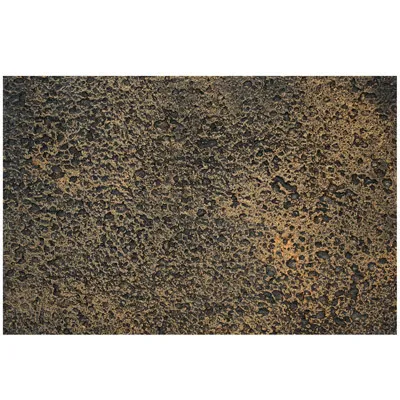
In a fire-rated wall assembly, every layer matters. The surface board is the first line of defense: it must slow the spread of flames, limit smoke generation, and maintain its integrity long enough for occupants to evacuate. Conventional polymer-based panels can soften, melt, or release harmful gases when exposed to high heat. Foamed aluminum alloy board behaves differently. Because aluminum has a high melting point and the board contains no combustible core, it stays stable under intense heat and does not add fuel to a fire. This makes it especially valuable for stairwells, corridors, hospital wards, and other areas where escape routes must remain protected.
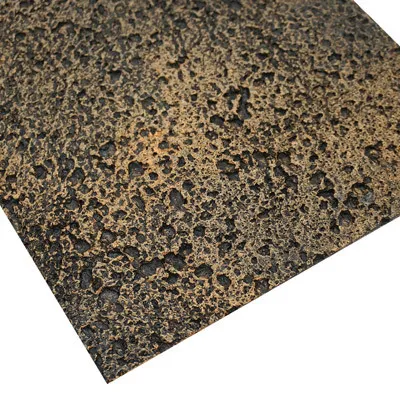
Selecting the right board for a fire-rated assembly is not a one-size-fits-all decision. The following factors should be reviewed together with the project requirements.
When selecting a board for a fire-rated assembly, check the product's fire classification and the standards it complies with. Look for boards that have been tested according to recognized methods, such as ASTM E84 for surface burning characteristics or EN 13501 for European classification. A board with a low flame spread index and low smoke generation is preferable for enclosed spaces, because smoke, not heat, is often the greatest danger during a fire. Ask the supplier for test reports and certificates before making a decision.
The density of the foamed aluminum alloy board affects both its weight and its mechanical performance. Lower-density boards are lighter and easier to handle, which can reduce the load on the building structure and simplify installation. Higher-density boards offer greater rigidity and impact resistance. The right choice depends on the application: a partition wall in a hotel room has different requirements from an exterior facade panel. Thickness also matters. Thicker boards provide more stiffness and better sound insulation, but they add weight and cost. Work with your supplier to match density and thickness to the specific needs of the project.
Because foamed aluminum alloy boards are often visible in finished interiors, surface quality is important. Boards are available with a range of finishes, including wood grain, marble, metallic, and matte stone effects, so the material can match the design language of the building without sacrificing fire performance. Check the consistency of the finish across large batches, especially for projects where panels are installed side by side.
Beyond fire safety, a wall board should contribute to the comfort of the space. The porous structure of foamed aluminum alloy gives it good sound absorption, which helps reduce noise transmission between rooms. The board also provides thermal insulation, which supports energy efficiency and lowers heating and cooling loads. These benefits make it a versatile choice for both interior partitions and exterior cladding.
A board that is difficult to install can slow down a project and increase labor costs. Lightweight foamed aluminum alloy boards can be cut and fixed with standard tools, which shortens installation time. The surface is also easy to clean and resistant to moisture, so maintenance costs stay low over the life of the building.
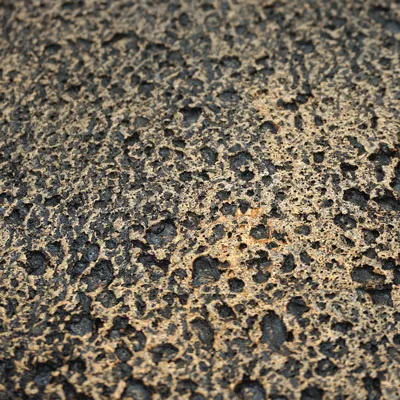
For complete walls solutions, the board can be combined with other fire-safe materials such as fireproof inorganic boards, flexible cladding panels, and decorative profiles to build a fully coordinated wall system.

The quality of foamed aluminum alloy board can vary significantly between manufacturers. A reliable building material supplier should be able to provide test reports, consistent product quality, and technical guidance on selection and installation. For projects with strict fire safety requirements, it is worth working with a supplier that understands building codes and can recommend the right board for each application. A one-stop supplier can also help coordinate the board with other materials in the wall assembly, so that the whole system performs as intended.
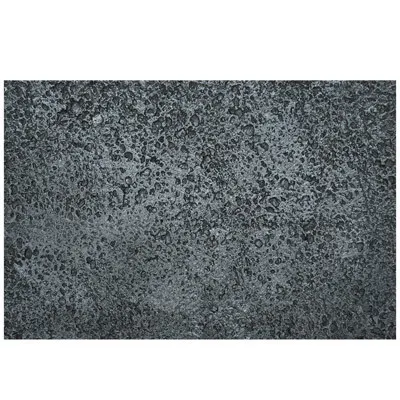
Choosing the right foamed aluminum alloy board for a fire-rated wall assembly comes down to understanding the fire performance, density, thickness, surface finish, and the reliability of the supplier. Because the board is lightweight, non-combustible, and available in a wide range of finishes, it offers a practical balance of safety, durability, and design flexibility. By evaluating these factors carefully and working with an experienced building material supplier, you can select a solution that protects the building and its occupants for years to come.
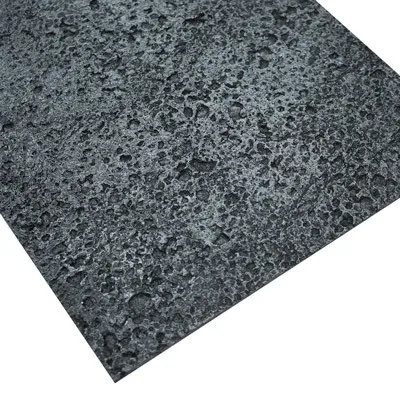
Yes. Because it is made of aluminum alloy with a closed-cell porous structure and contains no combustible core, it does not burn and does not release toxic smoke when exposed to high temperatures.
Yes. It is resistant to moisture and weathering, making it suitable for exterior cladding as well as interior walls. The surface finish should be selected based on the exposure conditions of the project.
Polymer-based panels can soften or melt under high heat and may release smoke. Foamed aluminum alloy board stays stable at high temperatures and does not add fuel to a fire, which makes it a safer choice for fire-rated assemblies.
The right thickness depends on the application, the required stiffness, and the acoustic and thermal performance you need. A supplier can help you match thickness and density to the specific requirements of your project.
No. The surface is easy to clean and resistant to moisture, so routine cleaning is usually enough to keep it in good condition.
Recommend Products












