
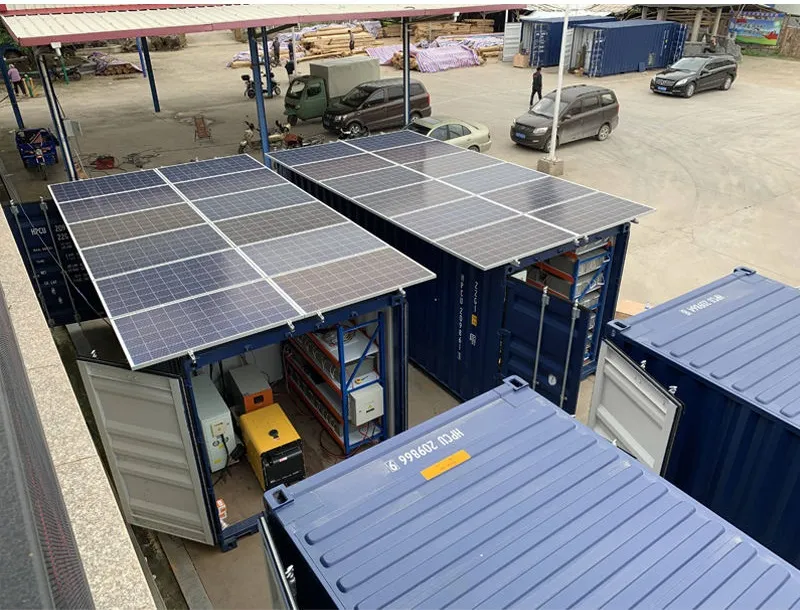
Choosing the right flexible solar panels for your boat or RV is not just about picking the highest wattage number on a spec sheet. It is about matching materials, certifications, and installation methods to the harsh realities of life on the water or on the road. This guide walks you through every factor that matters — from surface coatings and efficiency ratings to salt-spray resistance and ventilation — so you can make a confident, informed purchase.
The single most important factor that determines how long a flexible solar panel will last is its top-layer coating. Most budget panels use PET (polyethylene terephthalate) plastic, which degrades rapidly under UV exposure. Premium panels use ETFE (ethylene tetrafluoroethylene), a fluoropolymer originally developed for architectural applications like stadium roofing.
| Feature | ETFE Coating | PET Coating |
|---|---|---|
| Light Transmission | ~95% | 85–90% |
| UV Resistance | 20–30 years | 2–3 years |
| Self-Cleaning | Yes (hydrophobic surface) | No |
| Temperature Range | -40°F to +300°F | Limited range |
| Typical Lifespan | 10–15+ years | 2–5 years |
Panels with ETFE coating maintain their transparency and structural integrity for over a decade, while PET-coated panels typically begin yellowing, cracking, and delaminating within two to three years. For marine and RV use where panels face constant sun, salt, and vibration, ETFE is not a luxury — it is a necessity.
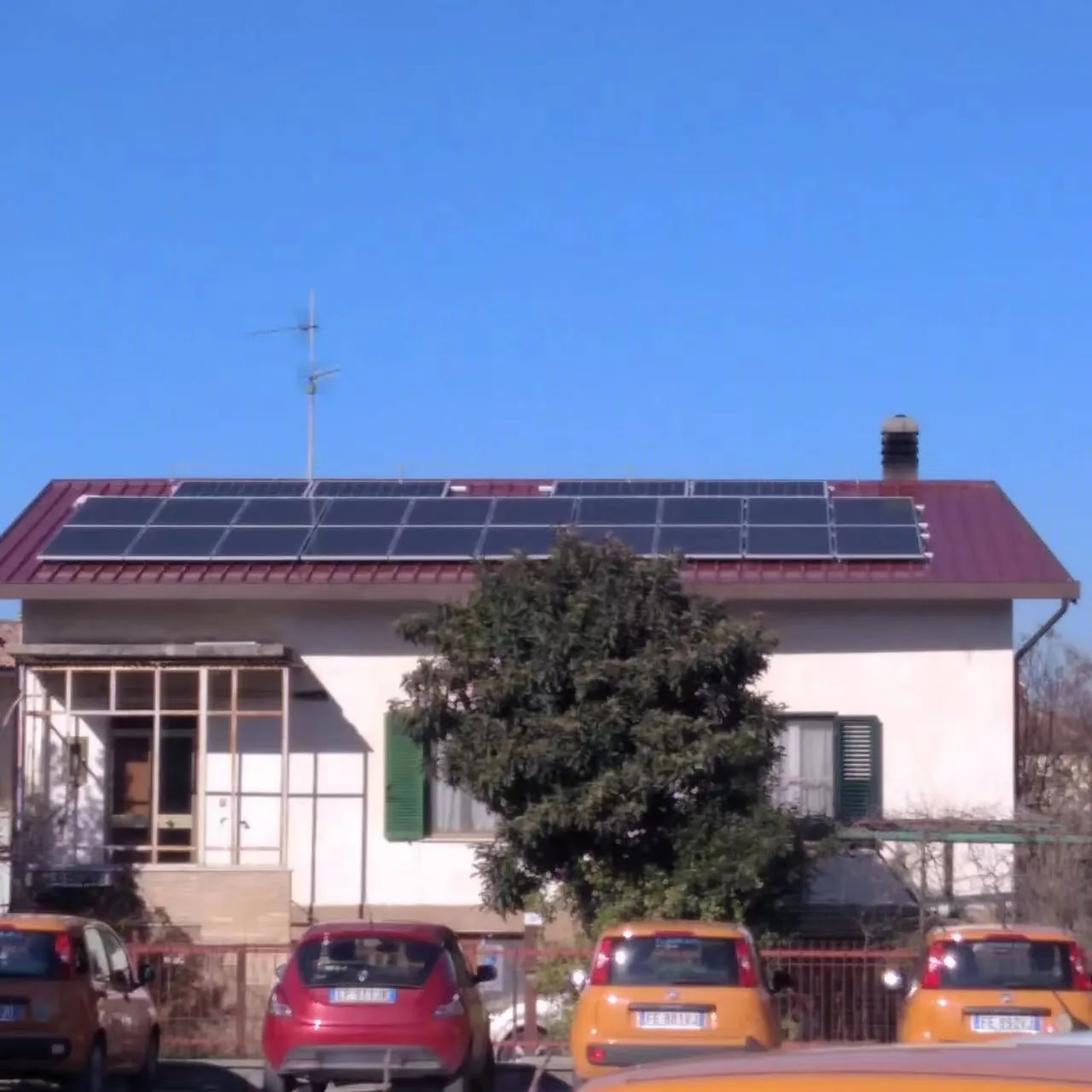
Premium flex solar panels in commercial production today achieve 18–22% conversion efficiency, compared to 12–15% for standard flexible panels. This gap comes from back-contact cell technology, which moves all electrical connections to the rear of the cell, eliminating the front grid lines that block roughly 7% of incoming sunlight.
Back-contact designs also offer better partial-shade tolerance — maintaining 80–85% of rated output when a portion of the panel is shaded — and approximately 30% better bend performance. When evaluating panels for marine or RV use, always confirm the cell type: monocrystalline cells with back-contact architecture are the current gold standard.
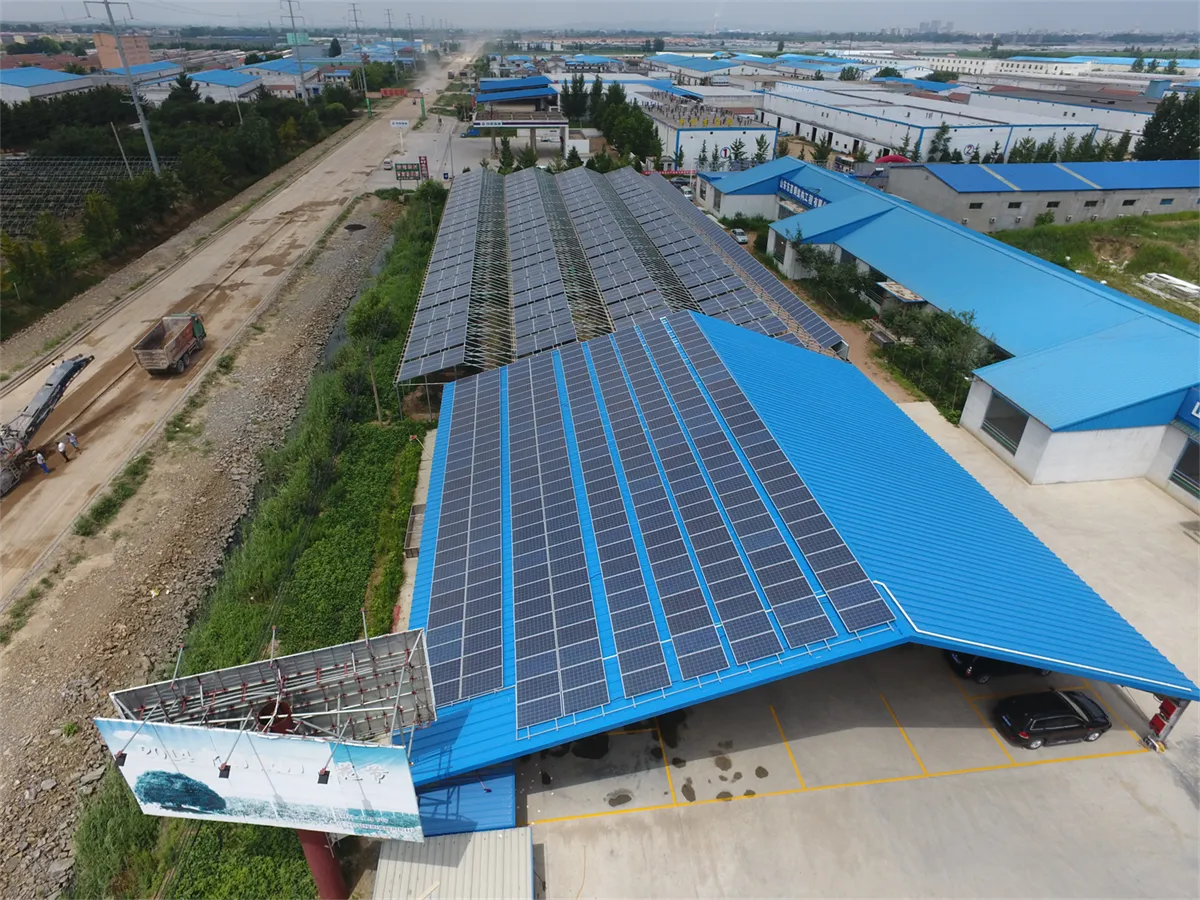
Marine environments are uniquely punishing. Salt spray corrodes unprotected metals, constant humidity seeps into poorly sealed enclosures, and curved deck surfaces demand genuine flexibility. Quality marine panels carry IEC 61701 Level 6 certification, the most rigorous salt-mist testing standard, which involves 56 days of continuous salt spray exposure across multiple cycles.
Key marine checklist: IEC 61701 Level 6 certification, stainless steel or marine-grade aluminum frames, IP67+ sealed junction boxes, panel weight under 8–10 pounds, and ETFE coating for salt-spray durability.
Standard panels without marine-grade protection commonly fail within 6–18 months in saltwater environments. Certified panels, by contrast, retain over 95% of their rated output after five-plus years of exposure. Junction boxes must be rated IP67 or higher to prevent moisture ingress that leads to internal corrosion and electrical failure.
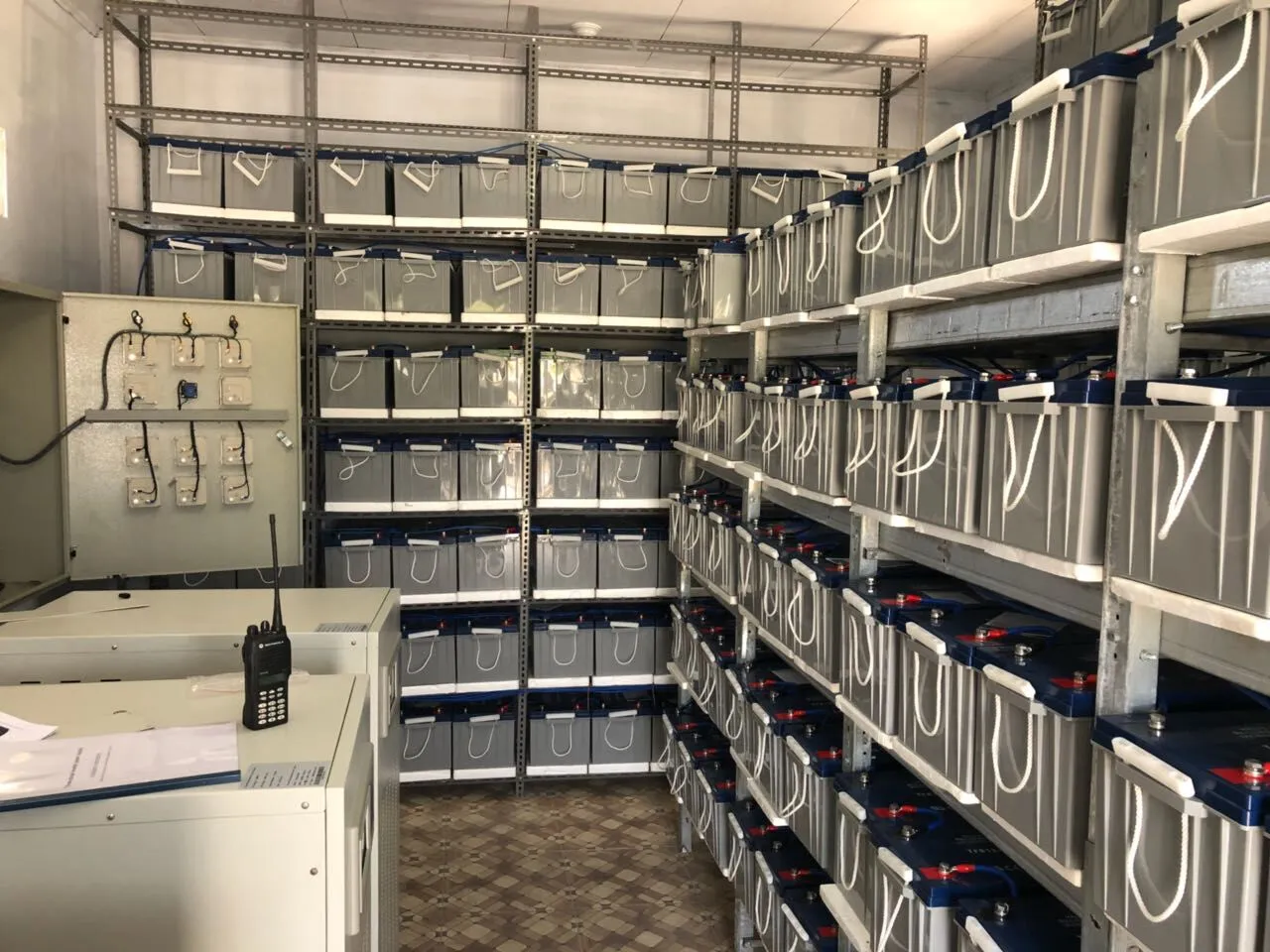
For RV owners, flexible panels offer a compelling 70–75% weight reduction compared to rigid glass panels — a critical advantage when every pound affects fuel economy and payload capacity. Most RVs require 1.3 to 1.5 times their daily amp-hour consumption in panel wattage to account for real-world inefficiencies.
Solar panels lose efficiency as they heat up. The temperature coefficient of power (Pmax) tells you how much output drops per degree Celsius above 25°C (77°F). Premium flexible panels achieve -0.28%/°C to -0.35%/°C, while budget panels can be -0.4%/°C or worse. On a 40°C (104°F) rooftop, that difference alone can mean 5–8% more usable power from a premium panel.
Proper ventilation through an air gap can improve real-world performance by 8–12% compared to direct-mounted installations. Light-colored mounting surfaces, optimal tilt angles, and thermally conductive backing materials further reduce operating temperatures.
| Certification | What It Tests | Why It Matters |
|---|---|---|
| IEC 61215 | Design qualification: 19 tests including thermal cycling, humidity freeze, mechanical load, and hail impact | Ensures structural and electrical durability for 25+ years |
| IEC 61730 | Electrical and fire safety qualification | Confirms safe operation under all conditions |
| IEC 61701 | Salt mist corrosion (6 severity levels) | Critical for marine installations; Level 6 is the highest |
| CE Marking | European health, safety, and environmental standards | Required for EU market access |
| RoHS | Restriction of hazardous substances | Ensures environmentally safe materials |
"Flexible" does not mean "foldable." Most quality panels handle an 8–16 inch bend radius safely. Some premium models can conform to a curvature of up to 248 degrees for one-time installation, but excessive or repeated bending beyond manufacturer specifications causes micro-cracks in the crystalline silicon cells. These micro-cracks are invisible to the naked eye but progressively degrade power output over weeks and months.
Always check the manufacturer's stated bend radius and treat it as a hard limit — not a suggestion.
The global flexible solar panel market is fragmented, with quality varying dramatically between manufacturers. When sourcing, look for a solar panel china supplier that offers full traceability, documented testing reports, and transparent warranty terms. A reputable supplier should provide IEC certification documents on request and maintain consistent quality across production batches.
As a one-stop building materials provider, COLORIA GROUP offers flexible solar panels alongside a complete range of construction and interior solutions — from walls and flooring to electrical fixtures and lighting. This integrated approach means you can source solar panels within a broader project supply chain, simplifying logistics and ensuring compatibility across building systems.
Looking for Reliable Flex Solar Panels?
COLORIA GROUP supplies high-quality flexible solar panels as part of a complete one-stop building materials solution. Contact our team at +86-13630185350 or visit our solar panels page for product specifications, bulk pricing, and expert consultation.
Recommend Products












