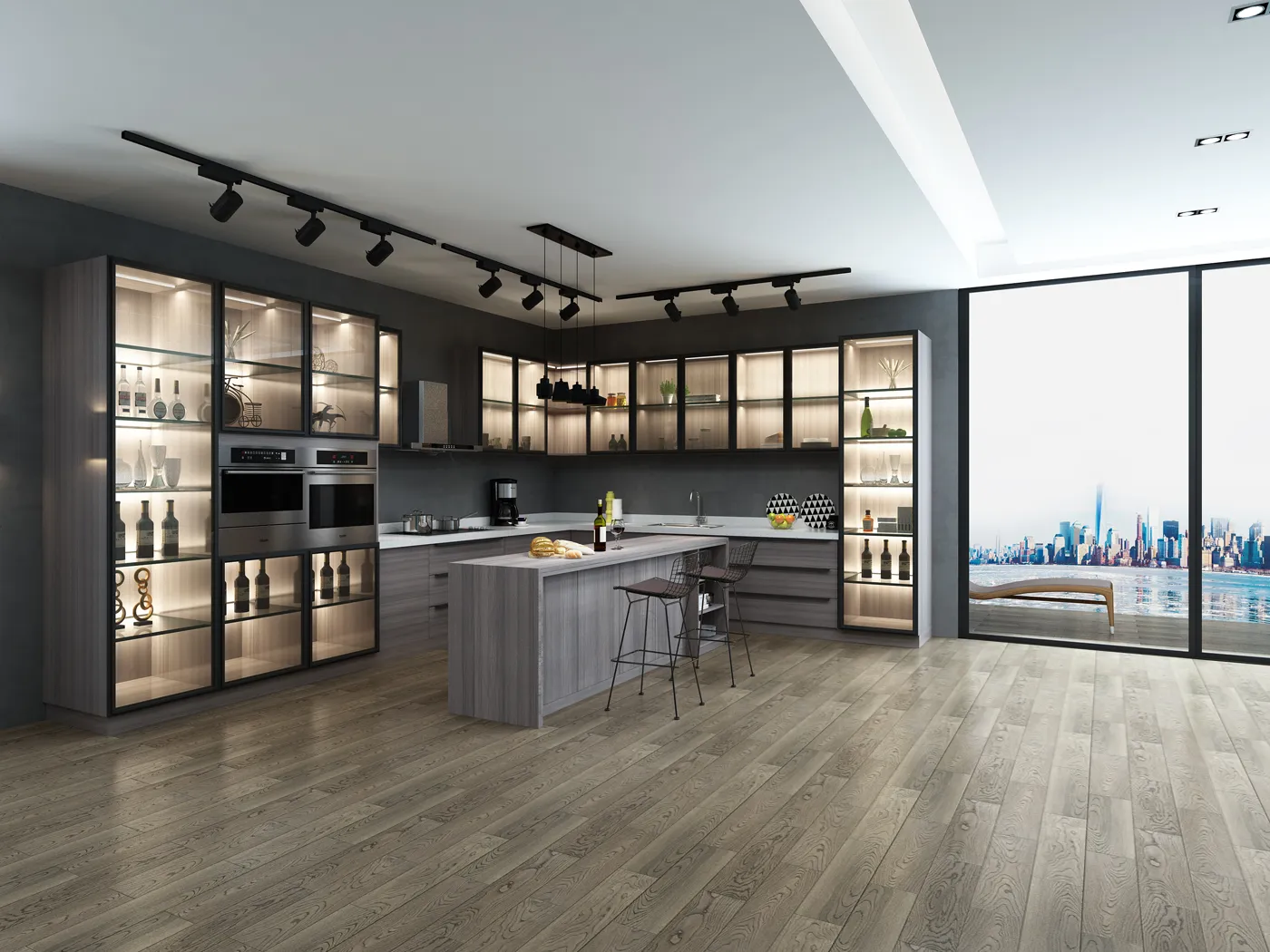
Let's talk cabinets. Not just any cabinets – we're discussing the kitchen workhorses that need to pass the strictest environmental checks in the world. You know what's tougher than deciding between maple or oak? Ensuring your export kitchen cabinets won't get rejected at EU or US borders because they didn't meet eco-standards. It's a real headache, and I've seen too many manufacturers get tripped up here.
Why Compliance Isn't Just Red Tape
Picture this: You've shipped a container full of beautiful cabinets across the ocean. They arrive at Hamburg or Los Angeles, and customs says, "Hold up – what's in these adhesives?" Suddenly, you're stuck with demurrage fees, possible destruction orders, and a very unhappy buyer. We're not just talking about lost revenue; your reputation takes a hit too.
The Real Cost of Non-Compliance
-
EU:
Up to €500,000 fines under REACH for formaldehyde violations
-
US:
300% tariffs on CARB non-compliant wood products
-
Average recall cost: $250,000+ per shipment
-
Loss of big-box retail contracts (Home Depot, IKEA, etc.)
Decoding the Regulation Alphabet Soup
EU's Environmental Guardrails
The EU doesn't mess around. Their regulations read like a chemistry textbook, and for good reason. When German families gather in their kitchens, they expect zero formaldehyde surprises. Here's what keeps them safe:
-
REACH (EC 1907/2006):
Tracks 224 toxic substances like lead, cadmium, phthalates. Your paint and finishes? They're under the microscope.
-
FLEGT/EUTR:
The timber police. Prove your oak didn't come from illegal logging, or face impoundment.
-
EPD (EN 15804):
The carbon footprint lie detector. It calculates emissions from forest to kitchen.
-
Formaldehyde Thresholds:
E1 (<0.124 mg/m³) or the stricter E0 (<0.065 mg/m³) – measured in a sealed chamber test.
America's Rulebook
California leads the charge (naturally), but even Alabama cares about VOC levels these days. The rules that'll make or break your cabinets:
-
CARB ATCM 93120:
California's formaldehyde standard that became the national baseline. Phase 2 limits are brutal – just 0.05 ppm.
-
EPA TSCA Title VI:
Mandates third-party testing and certification. No sticker? No sale.
-
LEED v4.1:
The gold standard for green buildings. Hitting these points means premium pricing power.
-
Prop 65 Warnings:
That "this product contains chemicals" label? Retailers hate it. Avoid at all costs.
Consider
bamboo charcoal wallboard
– a compliant game-changer. Naturally antimicrobial and a carbon sink, it meets both EU EUTR and US LEED standards without chemical treatments. Plus, it won't trigger Prop 65 warnings like cheaper composites often do.
The Supplier Selection Playbook
Choosing partners is where most exporters slip up. That charming factory rep promising "EU-friendly" materials? Verify or regret.
Material Vetting Cheat Sheet
-
Wood Core:
FSC/PEFC chain-of-custody documents aren't optional. Check certification dates – they expire!
-
Adhesives:
Water-based polyurethanes beat urea-formaldehyde glues every time. Ask for SDS sheets showing ≤0.1% formaldehyde.
-
Finishes:
Look for Greenguard Gold or EU Ecolabel certifications. VOC content below 100 g/L is the sweet spot.
-
Hardware:
Reach SVHC-free declarations for drawer slides. Lead-free hinges are non-negotiable.
Red Flags in Supplier Claims
-
"Self-certified compliance" without third-party tests
-
Vague answers about wood origin countries
-
Resisting factory audits (hint: they're hiding something)
-
Unwillingness to sign liability clauses
The Testing Gauntlet – Surviving It
Paperwork gets cabinets to port; test reports get them into homes. Don't cut corners here:
Must-Have Certifications
-
ISO/IEC 17025 Labs:
Anything less is toilet paper at customs
-
Formaldehyde Chamber Test:
7-28 day duration depending on material thickness
-
Heavy Metal Migration:
EN 71-3 simulates child saliva contact (yes, really)
-
Accelerated Aging:
500-hour UV tests reveal fading/discoloration risks
Pro tip: Work with
EU Notified Bodies
like TÜV SÜD or US EPA-recognized labs like Intertek. Their reports close deals faster.
When Green Becomes Gold
Meet Sophia Chen, who exports cabinets from Guangdong to Germany. By switching to formaldehyde-free
wood plastic composite (WPC)
cores and water-based finishes, she:
-
Landed a €2M contract with a Bauhaus subsidiary
-
Reduced material rejection rates from 22% to 3%
-
Commands 17% higher margins versus competitors
"The testing costs stung initially," she admits. "But now retailers pay premiums because they trust my compliance paperwork."
Your Action Plan
-
Hire a REACH/TSCA consultant ($8k-$15k saves millions later)
-
Audit two alternate material suppliers (never single-source)
-
Pre-test 3 sample cabinets quarterly (catch problems early)
-
Digitize compliance docs on blockchain (customers love transparency)
The Kitchen of Tomorrow Starts Today
Look, exporting cabinets shouldn't feel like defusing bombs. But when Amsterdam moms push strollers into showrooms demanding formaldehyde-free kitchens, or Boston architects specify LEED platinum projects, your choices matter.
The compliance journey? It's like installing cabinet frames – tedious, precise work you never see. But the final product? That’s what buyers fall in love with. Get your materials right, document relentlessly, and those boring regulations become your silent sales partners.
Want more advice on specific materials like VOC-free laminates or FSC timber sourcing? drop me a line. Let's build something great.