
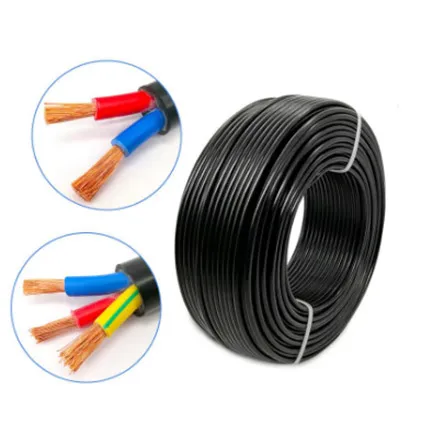
Navigating the world of construction cables with confidence—insights from a trusted partner in global building solutions
When you're standing at the blueprint stage of a building project, whether it's a cozy residential villa in Jeddah or a sprawling commercial complex in Riyadh, there's one component that often gets overlooked until the last minute: the cables. Yet these unassuming bundles of copper and insulation are the silent backbone of every structure. They power your lights, connect your security systems, and ensure your air conditioning works on a scorching Saudi afternoon. Choosing the wrong cables? It could mean frequent breakdowns, safety hazards, or even project delays that eat into your budget. But get it right, and you'll have a building that's efficient, durable, and ready to stand the test of time—even in the unique challenges of the Middle East.
As a one-stop architectural solution provider with decades of experience in the region, we've seen firsthand how the right cable choices transform good projects into great ones. In this guide, we'll walk you through everything you need to know about selecting cables for your next construction project—from understanding the different types to matching them with your specific needs, whether you're building a home, a hospital, or a hotel. We'll also share why partnering with a saudi arabia building materials supplier who knows the local landscape can make all the difference.
Let's start with a simple truth: cables aren't just "wires in a wall." They're critical to a building's functionality, safety, and sustainability. Imagine a luxury hotel where the elevators suddenly stop working because the electrical cables couldn't handle the load, or a hospital where life-saving equipment fails due to poor insulation. In extreme cases, substandard cables can even lead to fires—a risk no one can afford, especially in regions like Saudi Arabia where temperatures regularly soar above 40°C.
But it's not just about avoiding disasters. The right cables also boost efficiency. For example, energy-efficient cables can reduce electricity loss, lowering long-term operational costs for commercial buildings. And with the global push toward sustainable building solutions , today's cables are designed to be recyclable, halogen-free, and low in toxicity—aligning with both global "net-zero" goals and Saudi Arabia's own "2030 Vision" for a greener future.
The bottom line? Choosing cables is about more than checking boxes on a materials list. It's about future-proofing your project, protecting your investment, and ensuring every part of your building works in harmony.
Not all cables are created equal. Just as you wouldn't use residential-grade paint on a skyscraper, you can't rely on a single cable type for every job. Let's break down the most common cable types, their strengths, and where they shine—whether you're working on a residential building materials supplier project or a large-scale commercial development.
| Cable Type | Key Features | Best For | Why It Works |
|---|---|---|---|
| PVC (Polyvinyl Chloride) Cables | Cost-effective, flexible, good electrical insulation | Residential wiring, basic lighting, low-voltage systems | Affordable and easy to install, making it ideal for homes and small apartments where budget and simplicity matter. |
| CPVC (Chlorinated Polyvinyl Chloride) Cables | Heat-resistant (up to 93°C), chemical-resistant, flame-retardant | Commercial kitchens, hospitals, industrial facilities | Withstands high temperatures and harsh environments—perfect for spaces like hotel kitchens or hospital labs where safety is non-negotiable. |
| PEX (Cross-Linked Polyethylene) Cables | Flexible, freeze-resistant, corrosion-free | Underfloor heating, hot water systems, residential and commercial plumbing | Bends easily around corners, reducing the need for joints (and potential leak points). Great for both homes and offices. |
| Low-Smoke Zero Halogen (LSZH) Cables | Produces minimal smoke and no toxic fumes when burned | Schools, hospitals, high-rise buildings, public spaces | In the event of a fire, LSZH cables keep evacuation routes clearer and reduce health risks—critical for buildings with large occupancy. |
| Armored Cables | Reinforced with metal or plastic armor for mechanical protection | Outdoor installations, underground wiring, high-security areas | Resists damage from rodents, moisture, and physical impact—essential for exterior lighting or underground power lines in commercial complexes. |
Notice how each type is tailored to specific needs? That's why "one-size-fits-all" never works in construction. A residential building materials supplier might prioritize cost and ease of installation, while a commercial building materials supplier focuses on durability and compliance with strict safety codes. The key is to match the cable to the project's unique demands.
Now that you know the basics of cable types, let's dive into the nitty-gritty of selection. Here are the critical questions to ask before placing your order:
Residential and commercial projects have vastly different needs. For example, a family home might use standard PVC cables for lighting and outlets, while a shopping mall requires high-capacity armored cables to power escalators, air conditioning, and security systems. Even within commercial projects, hospitals need Class A fireproof cables (like Coloria's Class A fireproof CPL inorganic board , though for cables, similar standards apply), while a hotel might prioritize energy efficiency to keep utility bills low.
Saudi Arabia's climate is a game-changer. Extreme heat, humidity, and occasional sandstorms mean cables must withstand more than just regular wear and tear. For outdoor projects like solar panel installations (a growing trend with Saudi's abundant sunlight), UV-resistant cables are a must. In coastal areas like Jeddah, corrosion-resistant materials (like tinned copper conductors) prevent damage from salt air.
Every country has its own electrical codes, and Saudi Arabia is no exception. The Saudi Standards, Metrology and Quality Organization (SASO) sets strict guidelines for cable safety, including flame resistance, voltage ratings, and insulation thickness. Cutting corners here isn't just risky—it can lead to project delays or even legal issues. Working with a saudi arabia building materials supplier who understands these local regulations is invaluable; they'll ensure your cables meet SASO standards and align with Saudi's "2030 Vision" for safe, sustainable infrastructure.
It's tempting to opt for the cheapest cables to save money upfront, but this is often a false economy. For example, a low-cost PVC cable might work for a small residential project, but in a commercial building with a 50-year lifespan, investing in higher-quality CPVC or LSZH cables will reduce replacement costs and maintenance headaches down the line. Think of it as an investment in your building's future.
With global focus on reducing carbon footprints, sustainability is no longer optional. Look for cables labeled "halogen-free," "recyclable," or "low carbon." Some manufacturers even offer cables made from recycled materials—a selling point for projects aiming to achieve green building certifications like LEED or Saudi Arabia's own ESG (Environmental, Social, Governance) standards. As a sustainable building solutions provider, Coloria's cable range includes options that support both your project's eco-goals and Saudi's vision for a greener economy.
Here's a common scenario we've seen too many times: A contractor orders cables from Supplier A, electrical panels from Supplier B, and lighting fixtures from Supplier C. When the cables arrive, they don't fit the panels. The fixtures require a different voltage rating. Suddenly, the project is delayed, and the contractor is stuck coordinating between three different companies—each pointing fingers at the others.
This is where the value of a one-stop architectural solution provider shines. Instead of juggling multiple suppliers, you work with a single partner who handles everything from cable selection to delivery. At Coloria, for example, we don't just sell cables—we offer a full ecosystem of building materials, including electrical (electrical), lighting, and even sustainable green. This means your cables are guaranteed to work seamlessly with your other systems, and if issues arise, there's one point of contact to resolve them.
But the benefits go beyond convenience. One-stop sourcing also gives you access to expert advice throughout the project lifecycle. Our team in Saudi Arabia, with decades of local experience, can help you select cables that not only meet technical requirements but also align with regional trends—like the push for (local employment) and sustainable development under Saudi's "2030 Vision." And because we handle everything from design to delivery, we can even optimize costs by bundling orders and reducing logistics expenses.
Imagine starting a commercial project in Riyadh. Instead of researching cable suppliers, negotiating with multiple vendors, and worrying about compliance, you partner with a team that already knows the local market, has pre-vetted products, and can deliver everything you need—cables, panels, fixtures—on time and under budget. That's the power of one-stop sourcing.
Let's put this all into practice with a hypothetical (but realistic) example. Suppose you're managing the construction of a 10-story mixed-use building in Riyadh: ground floor retail, offices on floors 2-5, and residential apartments on floors 6-10. What cables would you choose, and why?
All cables must be rated for high temperatures (up to 50°C) and dust resistance. For outdoor lighting in the parking lot, UV-resistant armored cables are a must to prevent degradation from the sun.
The project aims to qualify for ESG certification, so all cables are halogen-free and recyclable. The data center uses energy-efficient cables to reduce carbon footprint, aligning with Saudi's "2030 Vision" for sustainable urban development.
Instead of ordering from 4+ suppliers, the contractor partners with Coloria. We provide not just the cables, but also the electrical panels, lighting fixtures, and even sustainable green for the building's facade. Our Saudi-based team ensures all products meet SASO standards, and our global network guarantees on-time delivery—even for specialized items like fire-rated CPVC cables.
The result? A project completed on schedule, within budget, and with cables that perform reliably for decades. No headaches, no delays, just a seamless experience from start to finish.
Choosing the right cables isn't just about technical specs—it's about partnering with a supplier who understands your project's unique needs, the local market, and the future of construction. Whether you're building a family home, a commercial complex, or a sustainable community hub, the cables you choose today will impact your building's performance, safety, and sustainability for years to come.
As a one-stop architectural solution provider with deep roots in Saudi Arabia, Coloria brings more than just products to the table. We bring decades of experience, a commitment to sustainable building solutions , and a team that's invested in your project's success—from the first blueprint to the final handover. So when it comes to cables (and every other building material), why settle for anything less than a partner who's with you every step of the way?
Ready to start your next project? Let's build something lasting—together.
Recommend Products












