
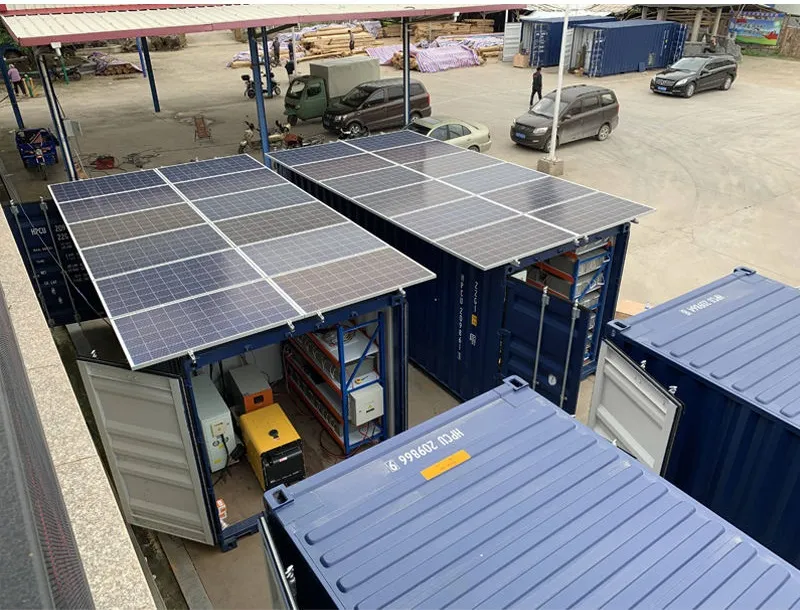
For businesses investing in solar energy, the upfront price tag tells only part of the story. The real measure of value is how much each kilowatt-hour costs over the system's entire lifetime. This guide breaks down how to evaluate commercial solar panels through the lens of levelized cost of energy so you can make a decision that pays off year after year.
Levelized cost of energy (LCOE) is the average cost per kilowatt-hour (kWh) of electricity generated by a solar system over its entire operational life. It accounts for the total upfront investment, ongoing maintenance, and total energy output spread across 25 to 30 years. For a commercial buyer, LCOE is the single most reliable metric for comparing different solar panel options because it cuts through marketing claims and focuses on what actually matters: how much you pay for each unit of clean electricity.
A panel with a lower per-watt purchase price can end up costing more per kWh if it degrades faster or generates less energy. Conversely, a slightly higher upfront investment in better technology often delivers a lower LCOE — and higher total savings — over the system's lifetime. This is especially critical for solar panels for commercial buildings, where the scale of investment amplifies even small differences in LCOE into significant financial outcomes.
Key Insight: Even a seemingly small difference in LCOE can compound into tens of thousands of dollars in savings over the lifetime of a commercial solar system. Choosing panels based on LCOE rather than upfront price alone is one of the highest-impact decisions a commercial buyer can make.
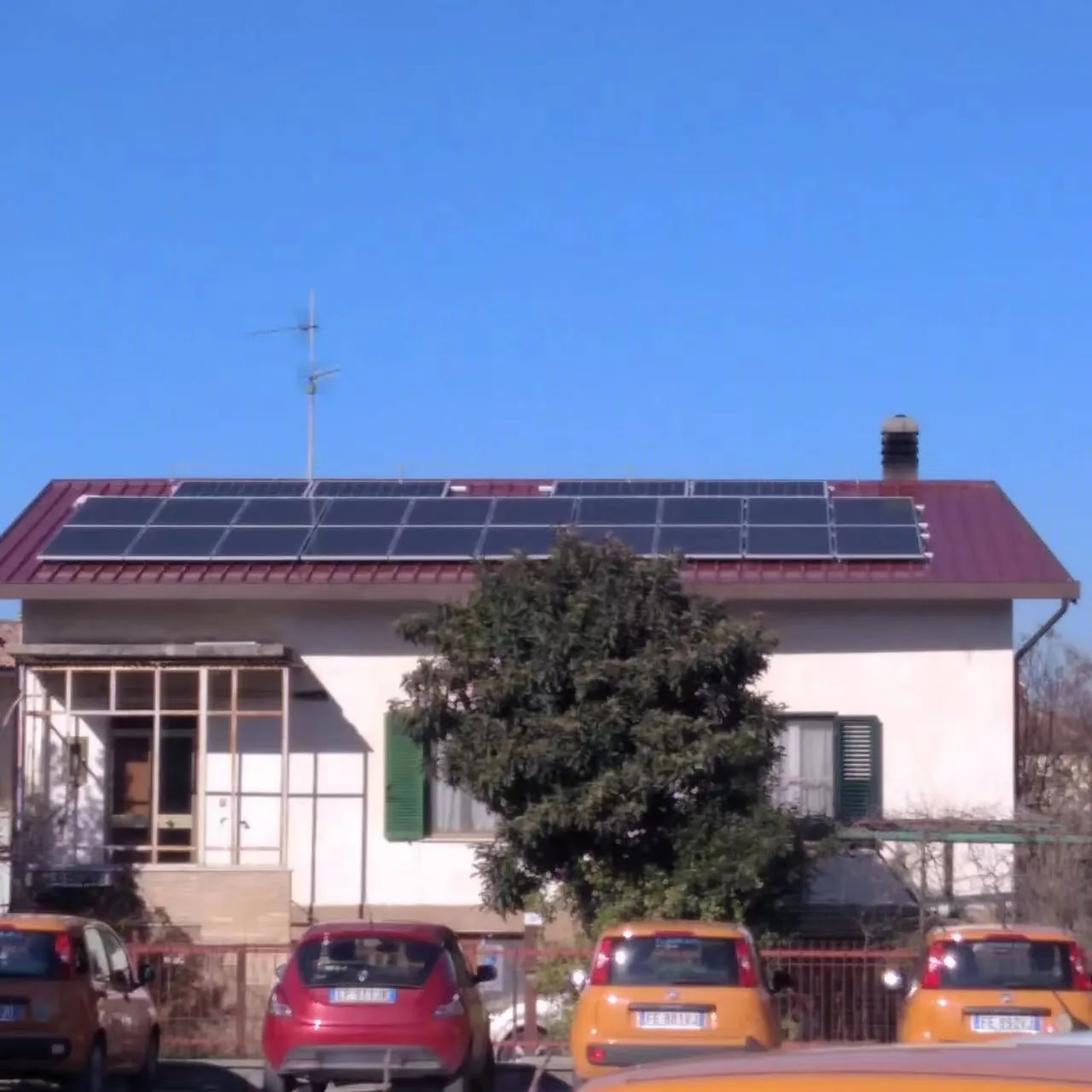
The LCOE formula brings together all the costs and all the energy output over a system's lifetime into one clear number:
Total lifetime costs include the initial purchase price of panels, inverters, mounting structures, installation labor, and ongoing maintenance and cleaning over 25 or 30 years. Total lifetime energy output is determined by the panel's rated power, local solar irradiation, system losses, and — critically — the annual degradation rate of the panels. Commercial buyers should always request degradation curves from suppliers and factor them into their LCOE models.
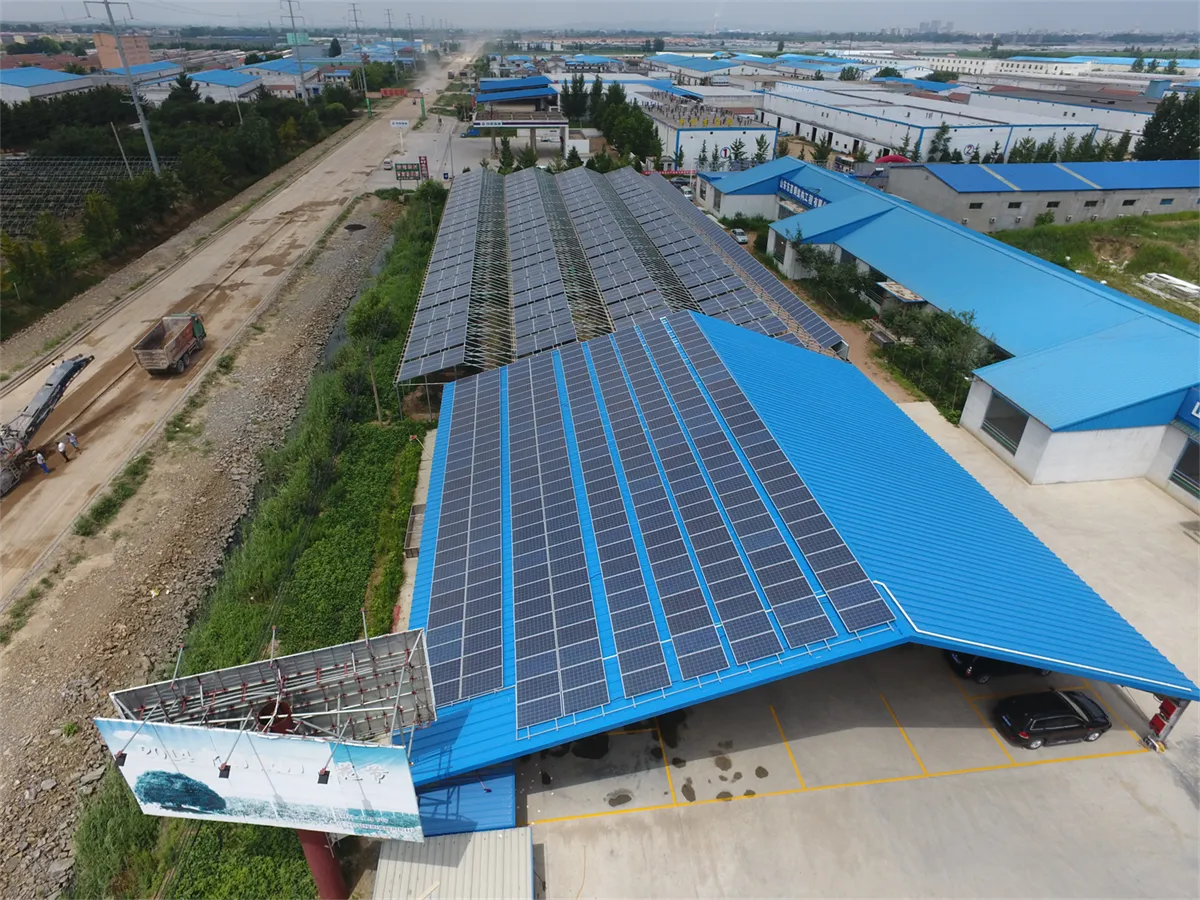
Higher-efficiency panels generate more electricity from the same rooftop or ground area. For commercial buildings with limited roof space, efficiency directly determines total system capacity and therefore total energy output. Modern N-TOPCon panels with 22% to 24% efficiency produce 5% to 10% more energy per square meter than older PERC technology, significantly lowering LCOE for space-constrained commercial installations.
Every solar panel loses a small percentage of its output each year. The degradation rate has an outsized impact on LCOE because it compounds over 25+ years. Premium N-TOPCon panels typically degrade at 0.3% to 0.4% per year, while older or lower-quality panels may degrade at 0.7% or more. Over 25 years, a 0.4% annual degradation means the panel still produces about 89% of its original output in year 25; a 0.7% rate drops that to around 82% — a meaningful gap for large commercial systems.
Commercial rooftops can get hot, and solar panels lose efficiency as temperatures rise. The temperature coefficient measures how much output drops per degree above standard test conditions. A panel with a coefficient of -0.30%/°C will outperform one with -0.40%/°C in hot climates by a noticeable margin, directly improving LCOE. This is particularly important for commercial installations in warm regions where rooftop temperatures regularly exceed 45°C.
While upfront cost is only one part of the LCOE equation, it remains a critical factor — especially for businesses with capital constraints. The key is to evaluate cost per watt in the context of total lifetime value. Panels priced at $0.11/W with 23% efficiency and a 30-year warranty may deliver a lower LCOE than panels at $0.10/W with 21% efficiency and a 15-year warranty. Sourcing directly from a solar panel China supplier can significantly reduce upfront costs without compromising quality, especially when working with established manufacturers that offer internationally certified products.
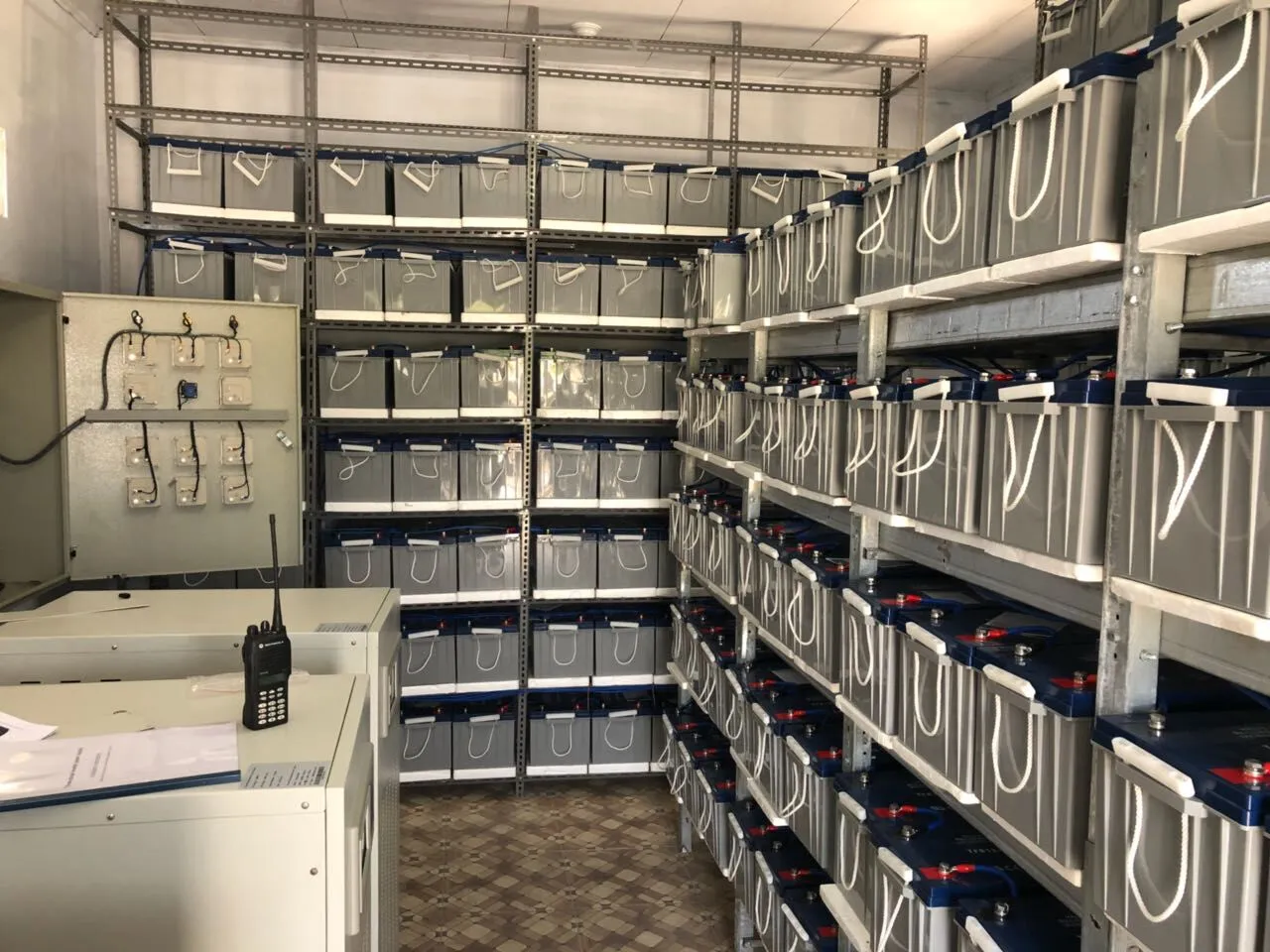
The table below compares the three main solar panel technologies available for commercial projects, showing how efficiency, degradation, and price interact to produce different LCOE outcomes:
| Parameter | PERC | N-TOPCon | BC (Back Contact) |
|---|---|---|---|
| Typical Efficiency | 21% – 22% | 22% – 24% | 24% – 25% |
| Per-Watt Price (2026) | $0.12 – $0.13 | $0.11 – $0.12 | $0.12 – $0.14 |
| Annual Degradation | ~0.55% – 0.70% | ~0.30% – 0.40% | ~0.30% – 0.50% |
| Temperature Coefficient | -0.35% to -0.40%/°C | -0.29% to -0.32%/°C | -0.26% to -0.30%/°C |
| Typical Warranty | 25 years | 30 years | 10 – 30 years (varies) |
| Estimated LCOE (100kW system) | $0.038 – $0.045/kWh | $0.030 – $0.036/kWh | $0.032 – $0.040/kWh |
For most commercial buyers, N-TOPCon technology currently offers the best balance of efficiency, durability, and cost, delivering the lowest LCOE in the majority of installation scenarios. BC technology can be competitive for premium projects where aesthetics or maximum power density are priorities, but the wider price range and variable warranty terms require careful due diligence.
When comparing supplier quotes, always request the full specification sheet including efficiency, degradation rate, temperature coefficient, and warranty terms. Plug these numbers into an LCOE calculator rather than comparing per-watt prices in isolation. A module priced $0.01/W higher can be the cheaper option over 25 years if its efficiency and degradation profile are superior.
One of the most effective ways to reduce LCOE is to shorten the supply chain. Buying directly from manufacturers — particularly those based in China, where the majority of the world's solar panels are produced — can cut per-watt costs by 10% to 20% compared to purchasing through multiple layers of distributors. Working with a reliable China-based supplier that holds international certifications such as TUV, CE, and ISO ensures quality while maximizing cost savings. Many commercial buyers have found that direct sourcing is the single biggest lever for improving project-level LCOE.
Commercial solar projects often require more than just panels — they need mounting structures, inverters, cables, and electrical fixtures. Working with a one-stop building materials supplier that covers the full scope of a solar installation can streamline procurement, reduce logistics costs, and ensure component compatibility. This integrated approach further reduces the total installed cost, which feeds directly into a lower LCOE.
LCOE-Focused Buying Checklist
Verify panel efficiency — Request certified efficiency data (not just marketing claims) and confirm it through independent test reports from TUV or equivalent bodies.
Check degradation guarantees — Insist on a written warranty that specifies the maximum annual degradation rate. A 30-year linear performance warranty is ideal for commercial projects.
Review temperature coefficient — For installations in warm or hot climates, prioritize panels with a temperature coefficient of -0.32%/°C or better.
Calculate LCOE, not just $/W — Use a standard LCOE model to compare quotes. Include all costs: panels, shipping, installation, inverters, mounting, and estimated maintenance.
Evaluate supplier track record — Choose suppliers with a proven export history, international certifications, and verifiable customer references. Longevity in the market is a strong signal of reliability.
Assess total supply chain cost — Factor in shipping, import duties, and logistics. A supplier that offers consolidated shipping for multiple product categories can reduce per-unit logistics costs.
Plan for the long term — A 25- to 30-year investment deserves thorough due diligence. Spending extra time on supplier evaluation and LCOE modeling pays off many times over across the system's lifetime.
Choosing commercial solar panels based on the levelized cost of energy is the most financially sound approach for any business investing in solar. It shifts the focus from short-term price tags to long-term value, ensuring that every dollar spent delivers maximum electricity output over the full life of the system.
The data consistently shows that N-TOPCon technology offers the best LCOE for most commercial applications, combining competitive pricing with high efficiency and strong long-term performance. Direct sourcing from established manufacturers further improves the economics, making commercial solar more accessible and profitable than ever.
By following the LCOE-focused approach outlined in this guide — evaluating efficiency, degradation, temperature performance, and total supply chain costs — commercial buyers can confidently select solar panels that will deliver reliable, low-cost electricity for decades to come.
Looking for high-quality commercial solar panels at competitive factory-direct prices?
Recommend Products












