
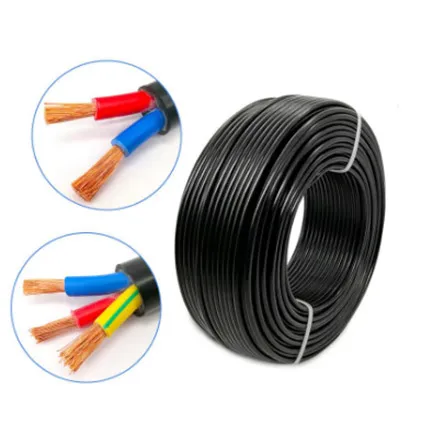
Picture this: You've sourced the perfect cable for your industrial project - great price, perfect specs, delivered on time. Then the inspector shows up and slaps a rejection notice because that UL certification? Turns out it's not recognized in your jurisdiction. That sinking feeling? Completely preventable.
Certifications are like passports for cables. Just because something's legal in Country A doesn't mean it gets you through customs in Country B. Regional standards exist for critical reasons:
I once worked with an Australian client who imported "certified" cables from Southeast Asia only to discover during their final inspection that they lacked the mandatory Water Resistant Markings required for coastal installations. The rework cost? A stomach-churning $380K. Don't let this be you.
Think of this as dating compatibility - mismatches cause fireworks (literally). Calculate:
Cables suffer outdoor indignities - UV rays, salt spray, rodent nibbles. I've seen UV degradation turn insulation to chalky dust in 18 months. Ask:
Robotic arms require bend performance that rigid power cables can't deliver. Factors:
Real talk : The Siemens factory project used specialized power cables with CSA certification for their automated conveyor systems. Choosing cables certified specifically for constant-flex applications prevented costly production line failures.
Let's settle this like adults over coffee:
| Factor | Copper | Aluminum |
|---|---|---|
| Conductivity | Superior (100% IACS) | Lower (61% IACS) |
| Creep Resistance | Excellent | Requires special terminations |
The verdict : Copper wins for performance-critical applications like hospitals and data centers - it's the Mercedes option. Aluminum shines (literally) for budget-conscious large-scale projects like solar farms.
When selecting residential power cables, ensure they meet NEC Article 310 standards for temperature ratings and conductor sizing. Overlooking this caused a Chicago apartment retrofit to fail inspection after using unrated cables in chaseways.
The Golden Harbor Bridge lighting project passed seamlessly because their contractor did dry runs with the local electrical authority months before installation. That's foresight.
I've witnessed heartbreaking "certified" cable disasters:
Protect your project : Always test samples independently. The $3K testing cost saved a $2M hotel project from using fraudulent CMR-rated cables that would have failed first-response fire containment.
Recommend Products












