
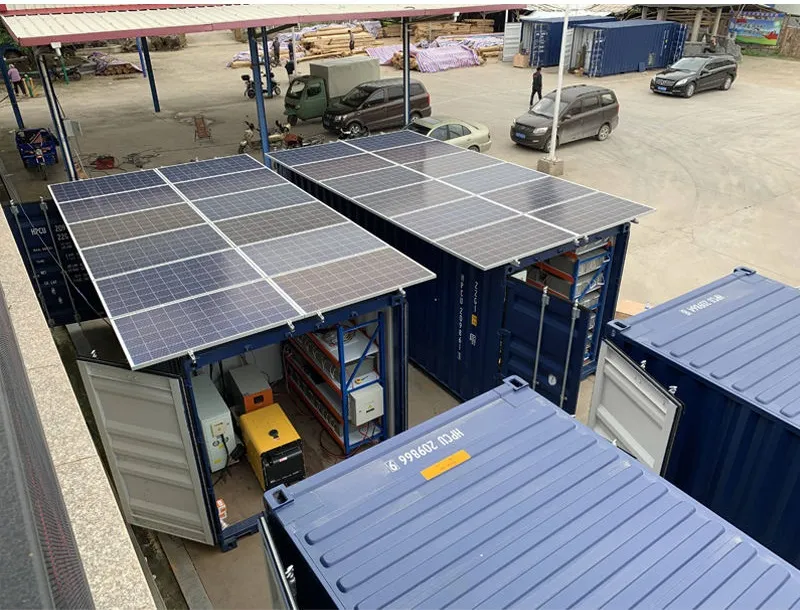
The construction industry is undergoing a fundamental shift. As energy codes tighten and clients demand more sustainable buildings, solar panels have moved from being a niche add-on to a standard specification in both residential and commercial projects. Whether you are developing a multi-unit housing complex, a commercial office tower, or a hotel resort, integrating solar energy into your build is no longer optional — it is a competitive necessity. But with the global market flooded with options, finding a solar panel supplier that can deliver quality products on time and within budget is a challenge that project managers face every day.
Over the past decade, photovoltaic technology has advanced at an extraordinary pace. Panel efficiency has climbed from around 16% to well above 22%, driven by innovations like TOPCon, heterojunction (HJT), and back-contact cell architectures. These developments mean that today's solar panels generate more power per square meter, perform better in high-temperature environments, and last longer — with many manufacturers now offering 25- to 30-year performance warranties.
For the construction sector, this changes the math entirely. Architects and developers can now realistically plan for net-zero energy buildings, where the building envelope itself contributes significantly to the energy supply. Rooftop solar installations, façade-integrated panels, and solar canopies over parking areas have all become viable components of the architectural toolkit.
However, technical advancement alone does not solve the procurement puzzle. A construction project typically requires hundreds or even thousands of panels, along with compatible inverters, mounting systems, and electrical infrastructure. Sourcing all these components from separate suppliers multiplies logistics complexity, increases the risk of compatibility issues, and often drives up total project costs.
The real question for project managers is not just which panel to buy, but how to build a supply chain that delivers the right components at the right time — and at the right price.
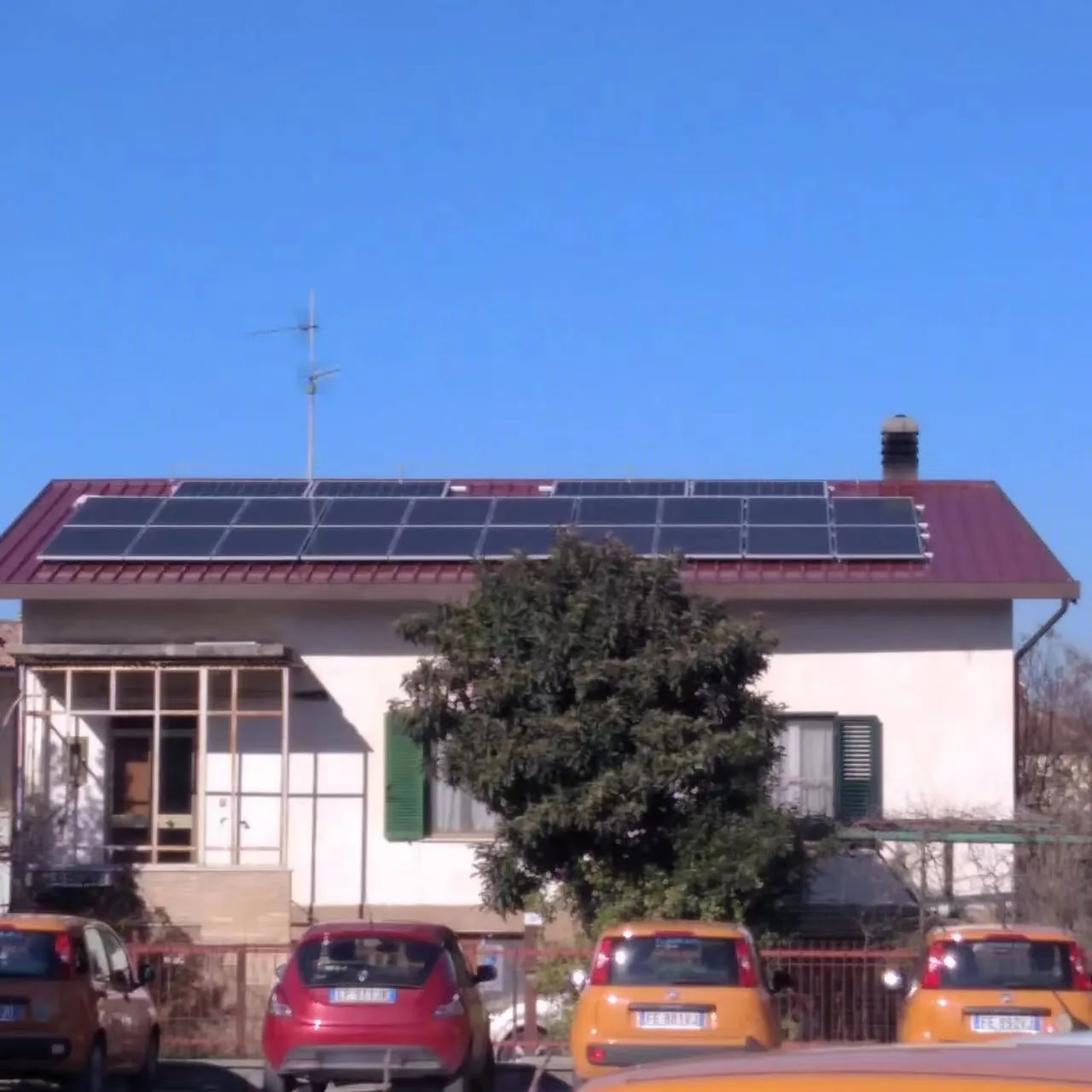
When evaluating potential suppliers, here are the criteria that matter most for construction-scale procurement:
1. Product Range and Technical Compatibility
A serious supplier should offer panels that match your project's specific energy requirements and installation environment. High-efficiency monocrystalline panels are ideal for projects with limited roof space, while bifacial panels can boost yield on reflective surfaces. Make sure the supplier can provide detailed technical datasheets, including temperature coefficients and degradation rates, so your engineering team can model system performance accurately.
2. Quality Certifications and Testing
Solar panels are a long-term investment — typically 25 years or more. Look for suppliers whose products carry international certifications such as IEC 61215 and IEC 61730. Panels that have undergone independent testing by organizations like PVEL provide an additional layer of confidence in real-world durability and performance.
3. Supply Chain Reliability
Construction timelines are unforgiving. A delayed shipment of panels can stall an entire project phase and trigger penalty clauses. Your supplier should have proven logistics capabilities, clear lead-time commitments, and the manufacturing capacity to handle large-volume orders without compromising quality.
4. After-Sales Support and Warranty
A manufacturer's warranty is only as good as the company standing behind it. Prioritize suppliers with a track record of honoring warranty claims and providing responsive technical support. A 25-year linear power output warranty is now considered the industry benchmark for quality panels.
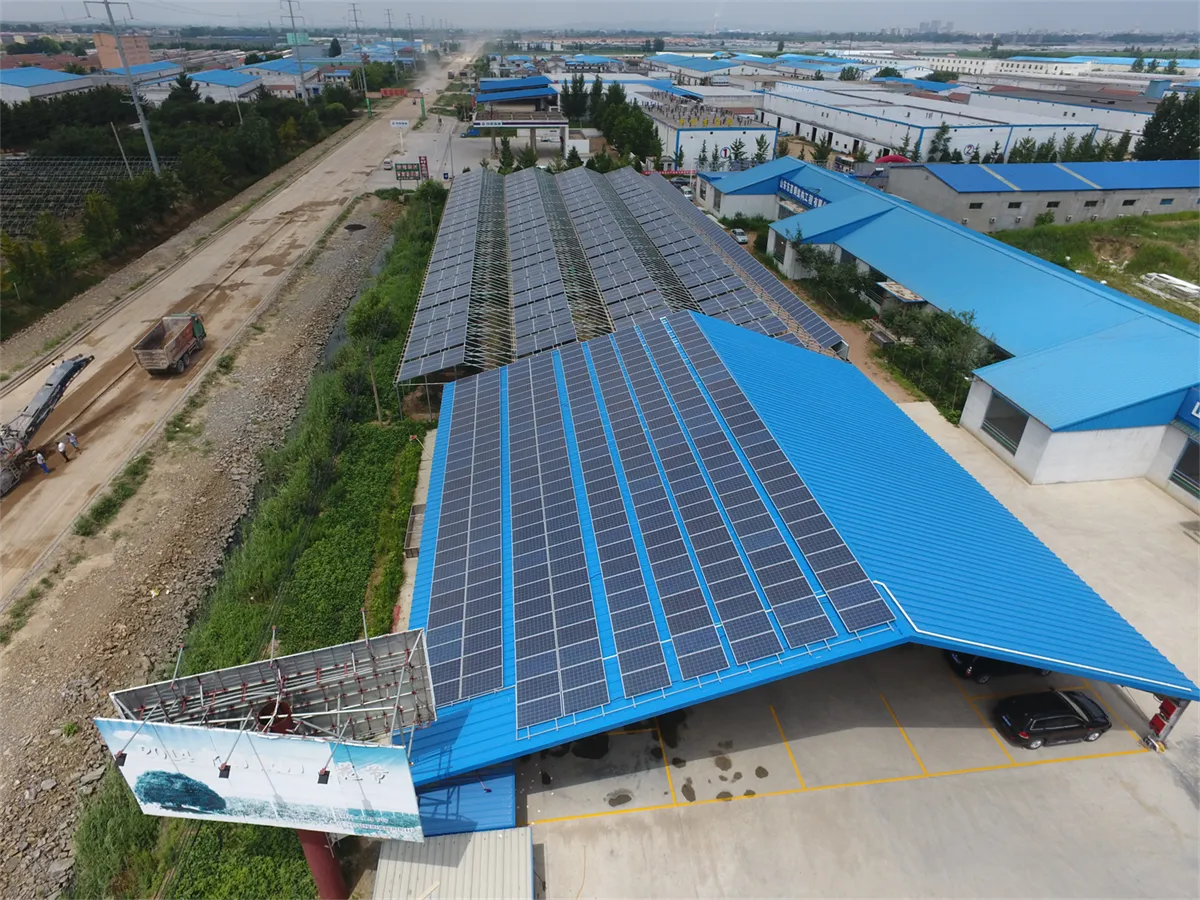
Construction projects rarely stop at solar panels. A typical build involves walls, flooring, ceilings, sanitary fixtures, windows and doors, elevators, electrical systems, and much more. Coordinating a dozen specialized suppliers for each category is a logistical headache that adds cost, complexity, and risk.
This is where the model of a building material supplier with comprehensive coverage makes a measurable difference. Imagine working with a single partner that provides solar panels alongside every other material category your project requires. The benefits are immediate: consolidated shipping, reduced customs documentation, unified quality standards, and a single point of accountability for the entire material supply chain.
For large-scale developers and international contractors, a one-stop architectural solution provider transforms procurement from a fragmented, high-risk process into a streamlined operation. You gain leverage on pricing through volume bundling, reduce coordination overhead, and minimize the chance of material mismatches between different categories.
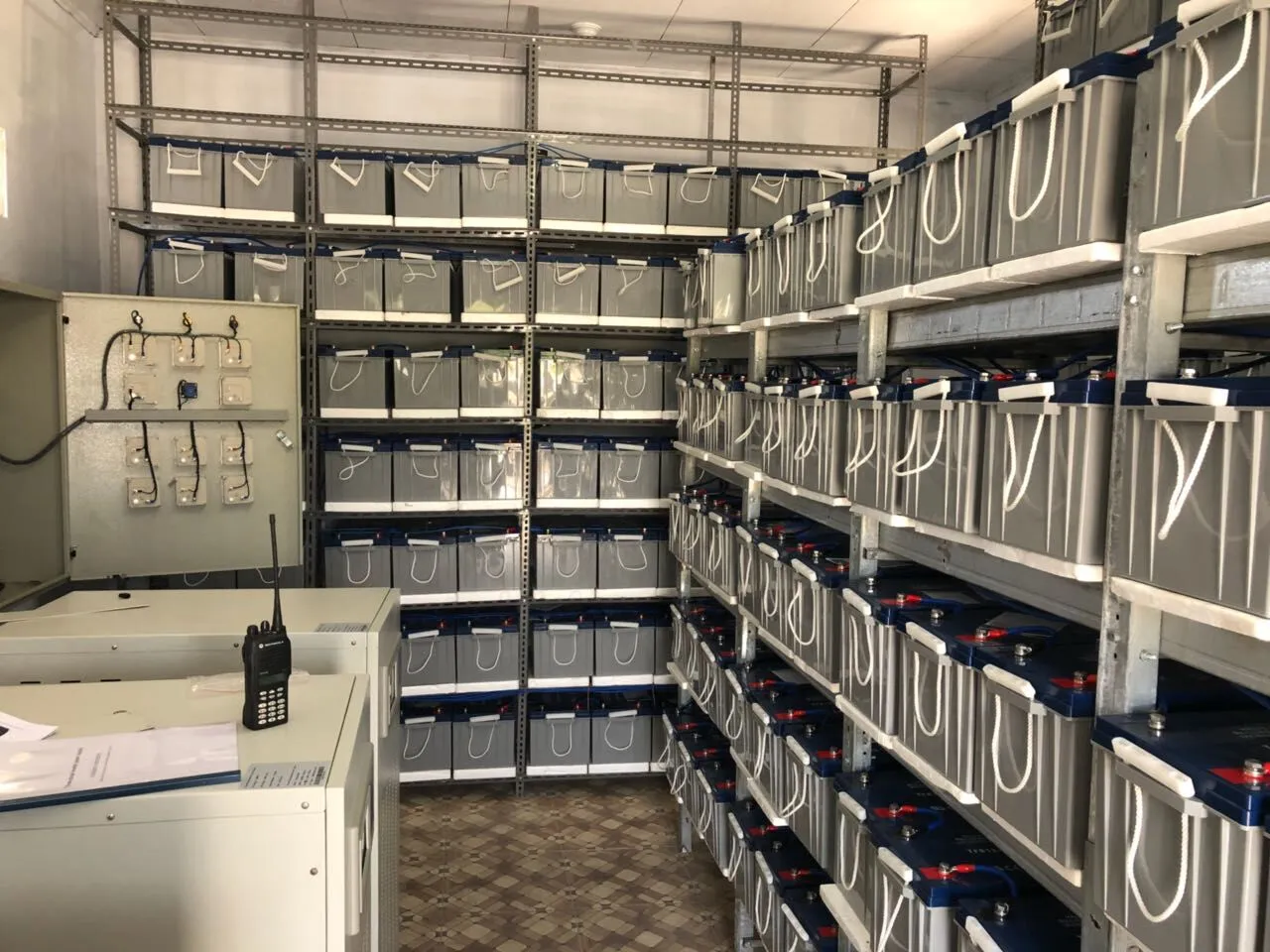
COLORIA GROUP, based in Foshan — China's premier manufacturing hub for building materials — has built its reputation as a commercial building materials supplier by taking exactly this integrated approach. Rather than specializing in a single product category, the company has assembled a portfolio spanning 13 major categories: from walls, flooring, and ceiling systems, through sanitary fixtures and customized furniture, to windows and doors, decorative profiles, elevators, lighting, electrical systems, and solar panels.
The solar panel offering from COLORIA GROUP is designed specifically with construction projects in mind — not as a standalone consumer product, but as an integral component of the building envelope and energy system. When your solar panels come from the same supplier that provides your wall panels, flooring, and electrical infrastructure, the coordination benefits are substantial.
With an overseas agent network extending to Saudi Arabia and a team dedicated to international client service, COLORIA GROUP understands the demands of cross-border construction procurement. The company's commitment — "Together we Build the Future" — reflects a philosophy that goes beyond transactional supply to genuine partnership in project delivery.
From interior solutions including customized furniture and kitchen appliances, to exterior elements like decorative profiles and solar panels, to core infrastructure such as pipes, fittings, and elevators — COLORIA GROUP consolidates what would otherwise require dozens of separate supplier relationships into a single, reliable channel.
Selecting a solar panel supplier is not a decision to make in isolation. The best outcomes come from looking at the bigger picture — understanding how your solar procurement fits into the broader material supply strategy for the entire project. In an era where margins are tight and schedules are unforgiving, the ability to consolidate procurement across multiple building material categories is not just a convenience; it is a genuine competitive advantage.
Whether you are breaking ground on a residential development, outfitting a commercial complex, or planning a hospitality project, the principle remains the same: work with suppliers who understand the construction industry's rhythms, who can deliver on their commitments, and who bring the scale and diversity of product range to serve as a true one-stop partner.
Ready to Source Solar Panels and Building Materials for Your Project?
Contact COLORIA GROUP today to discuss your project requirements and discover how our one-stop building materials solution can streamline your procurement, reduce your costs, and keep your construction timeline on track.
Get in TouchRecommend Products












