


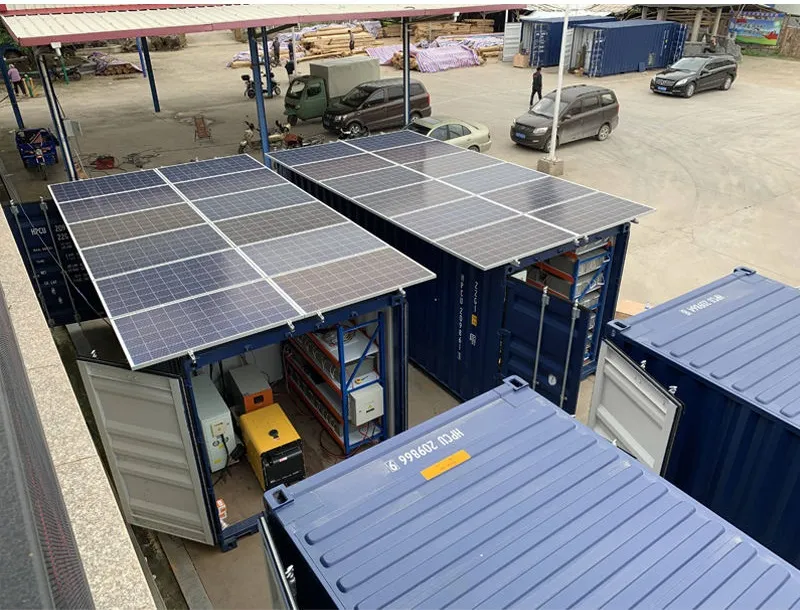
Ever notice how some solar setups just seem to drink in the sunlight while others look like they're barely getting by? That's no accident. The secret sauce isn't just about having good panels—it's about positioning them like sunflowers tracking the sky. Getting that tilt angle right can mean the difference between "meh" energy returns and maxing out your power generation. It's like aiming a satellite dish—get the angle wrong and you'll miss the signal.
Real talk : Most DIY solar projects get this wrong. They slap panels flat on a roof because it looks tidy, not realizing they're leaving 20-30% of potential energy on the table. That's like buying a sports car and never shifting out of first gear!
We're not just chasing kilowatts here—we're talking cold hard cash. A correctly angled solar system pays for itself faster. And with distributed solar power systems becoming more common in residential areas, optimizing each installation matters more than ever.
Why Angle Matters: It's Not Just About Location
Picture holding a flashlight over a book. When you shine it straight down, you get a bright focused circle. Tilt the book and the light spreads out, getting dimmer. That's exactly what happens to sunlight hitting your panels. The angle determines:
Direct Sun Contact
Panels perpendicular to sun rays absorb up to 90% more energy than panels at poor angles. At 30° off? You might lose 20% immediately.
Seasonal Compensation
Winter sun hangs lower. Summer sun rides high. Fixed panels can't chase both, but we'll find your yearly sweet spot.
Snow & Debris Shedding
Steeper angles help snow slide off. Too flat? You get snow blankets killing production for days.
A friend in Denver ignored angle optimization. His panels were flat-roof mounted. His neighbor spent an extra $200 on tilt mounts. Guess who saw 40% higher December production during snow season?
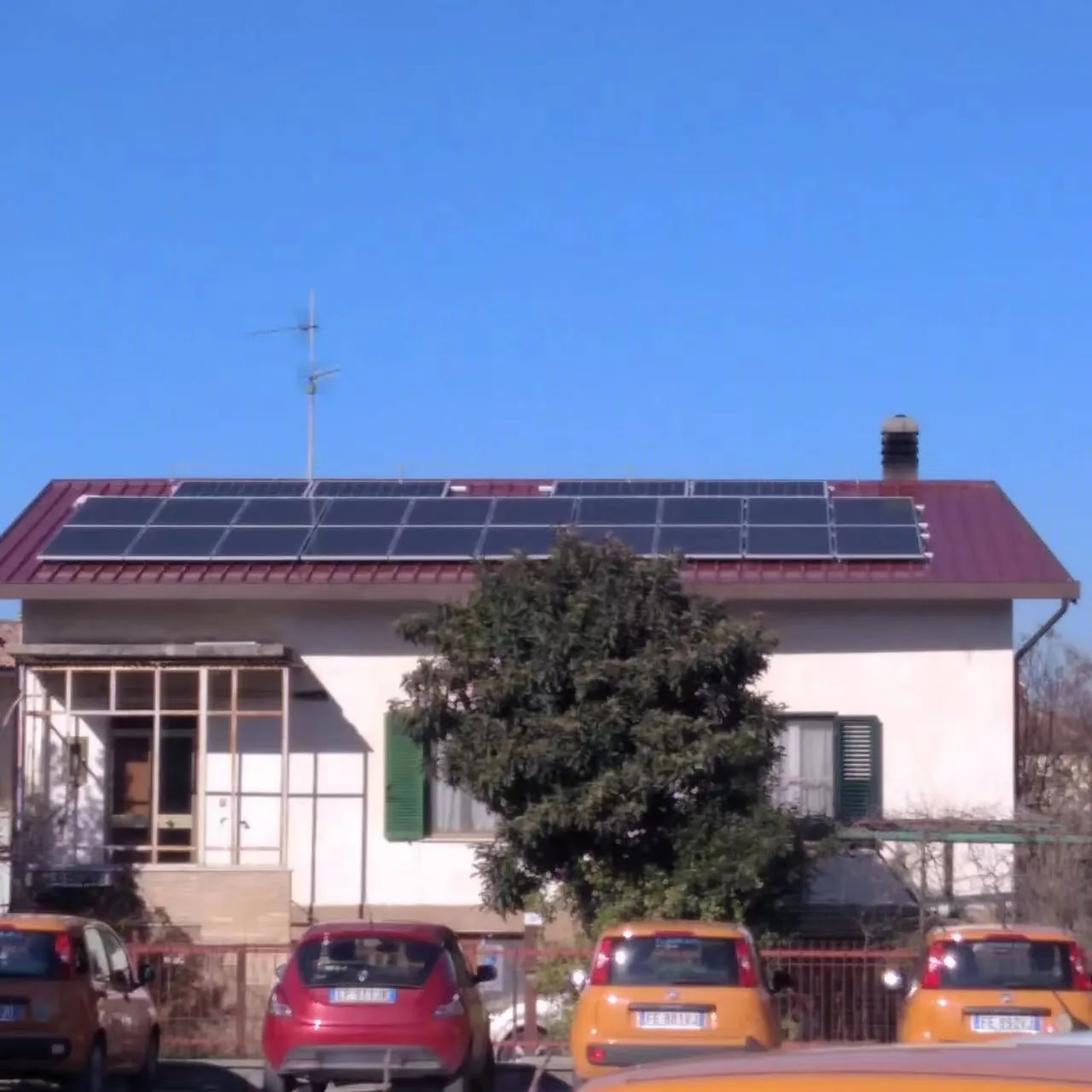
Your Latitude: The Starting Point
Here's the golden rule: Your solar panels should be tilted at an angle equal to your latitude . Why? Because this matches the sun's average yearly position overhead.
Practical example: Miami sits around 25°N latitude. Panels there give max energy at 25° tilt. Minneapolis at 45°N? You'll want steeper 45° panels.
Pro Tip : Add 15° in winter, subtract 15° in summer for seasonal adjustments if you have adjustable mounts. Not practical? Stick to latitude angle year-round.
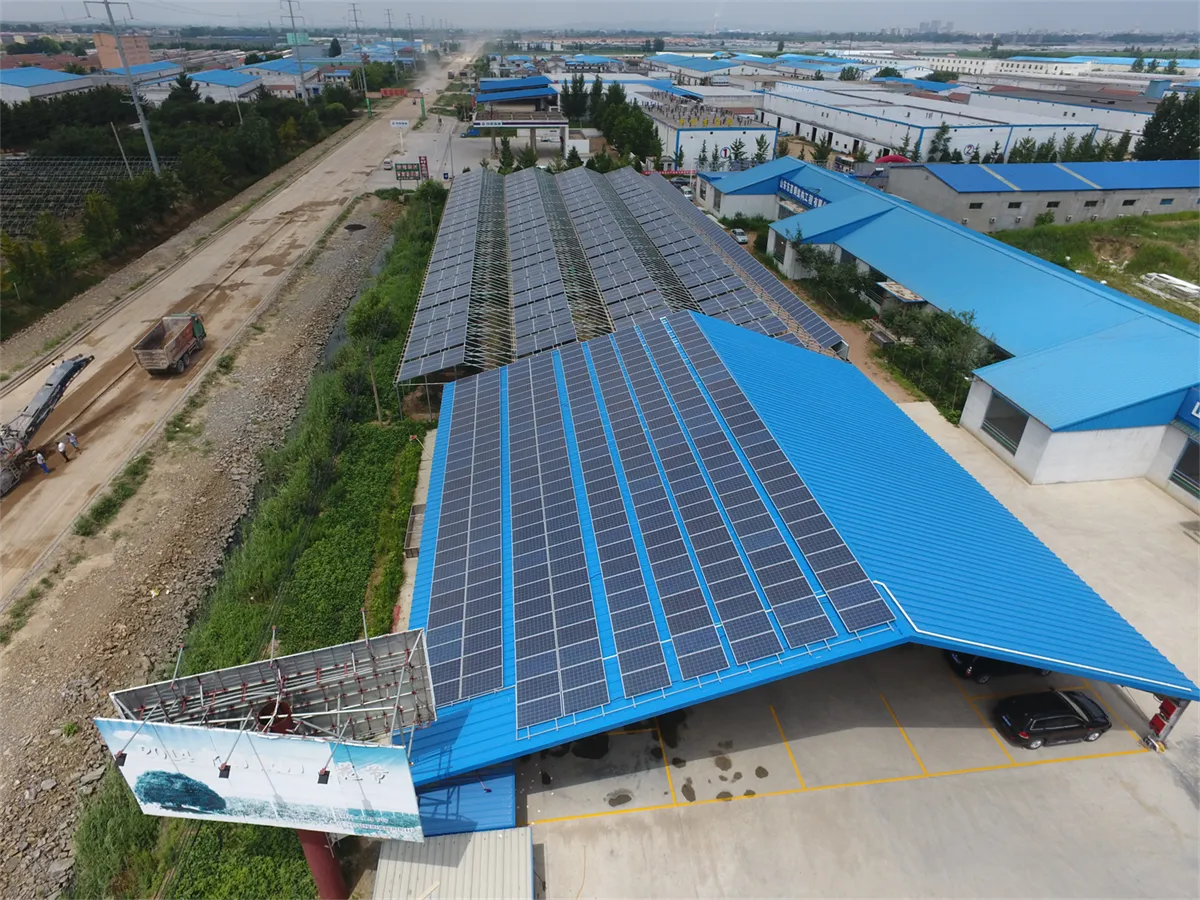
Beyond Basic Math: Factors That Change Your Angle
Latitude gets you 80% there. But these variables fine-tune your setup:
Roof Pitch Limitations
Got a 30° roof in a 40° latitude zone? Compromise at 30° or spend extra on tilt frames. Sometimes "good enough" beats perfect.
Microclimates Matter
Coastal fog? Frequent clouds? Dusty areas? These may shift your ideal angle by 5-10°. Local solar installers have secret sauce data.
Azimuth Orientation
South-facing? Perfect. East/west-facing? You might tilt panels more vertically to catch low-angle sun. Think 20-25° overkill for morning/evening light.
Case study: A vineyard in Napa Valley (38°N) discovered their frequent morning fog meant optimal tilt was actually 32°—not 38°—to catch stronger afternoon sun. Energy monitoring proved it boosted output by 12%.
Troubleshooting: When Your Angle Isn't Working
Notice lower than expected yields? Check these angle-related culprits:
- "Hot spots" on panels (shows uneven sun exposure)
- Midday production dips (suggests wrong seasonal alignment)
- Water pooling (too flat for drainage)
- Bird nesting under panels (angles too low create cozy spaces)
Simple Test : Photograph panel shadows at noon during equinox (March/Sept). Shadows should be symmetric. Crooked shadows = angle adjustment needed.
When To Break The Rules
Sometimes latitude math takes second place:
Snow Country Hack : Minnesotan? Go steeper than latitude—even vertical winter panels outperform snow-covered flat ones. Tilt frames pay for themselves in one season.
Hurricane Zones : Flatter angles survive 120mph winds better. Florida rooftops often use 10-15° despite 25° latitude.
Space Constraints : Urban rooftops with limited space? Prioritize panel count over perfect angles. More panels at 30° can beat fewer at 40°.
Measuring Like A Pro
Skip the protractor! Modern methods:
- Smartphone Apps : Use bubble level apps with angle finders. Accuracy within 1°.
- Laser Levels : Project beam from panel edge to measure ground shadow angles.
- Online Calculators : Enter coordinates and get optimal angles with local weather adjustments.
Remember: 2-3° won't make or break your system. Don't obsess—get close and let your monitoring system verify.
The Energy Payoff
Perfect angles make panels perform like athletes at peak condition. Consider what that does:
- 5-year payback period shrinks to 3.5-4 years
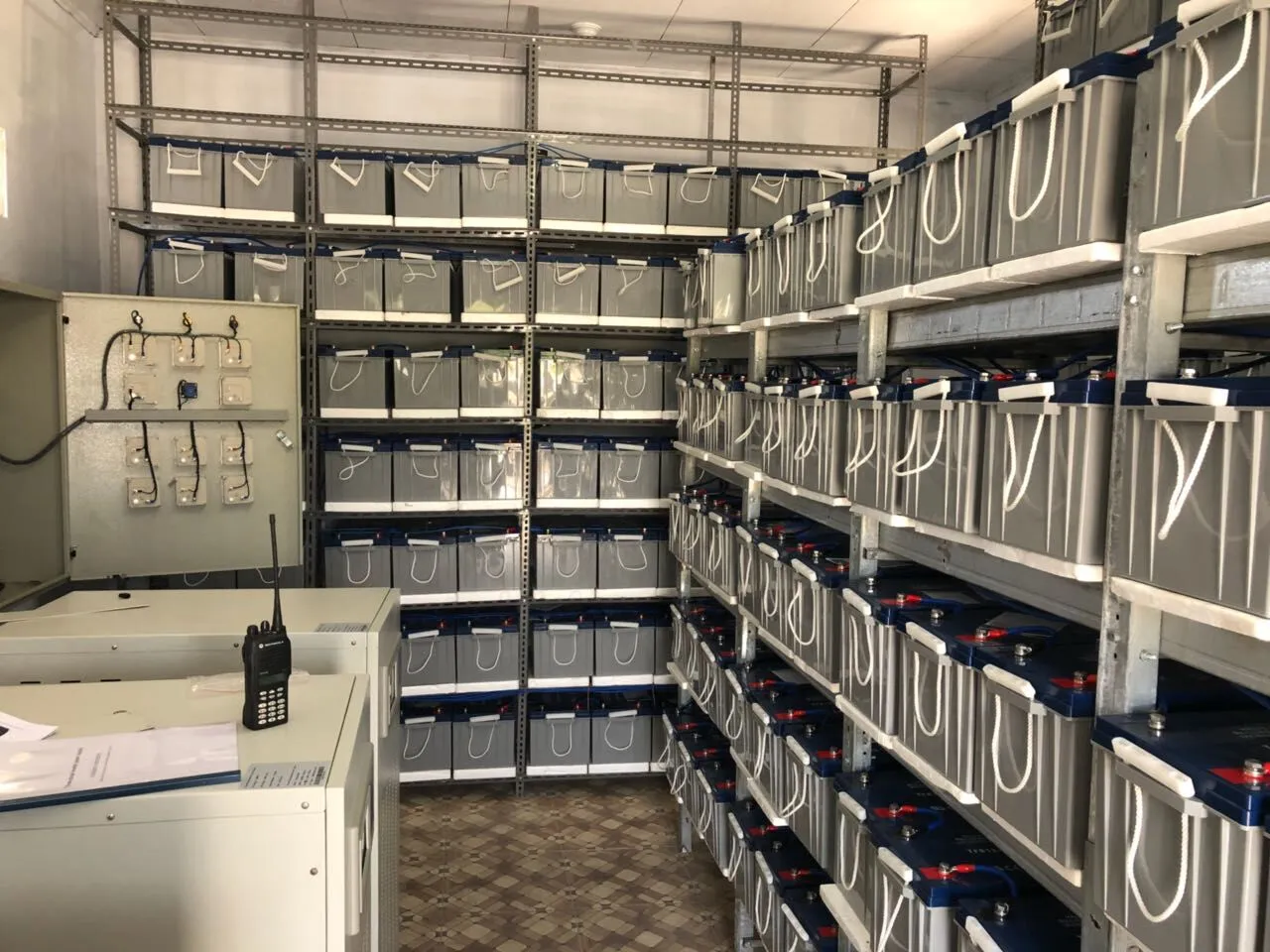
- Batteries fill earlier, giving night power reserves
- System size needed drops, saving thousands upfront
Arizona homeowners averaged 18% output increases after professional angle adjustments. That's like getting free extra panels!
Final Wisdom : Solar isn't "set and forget." Check angles yearly when cleaning panels. Earth's wobble won't change latitudes, but shifting trees or construction might alter your sun access.
The sweet spot exists. Find yours—your wallet and planet will thank you.










