
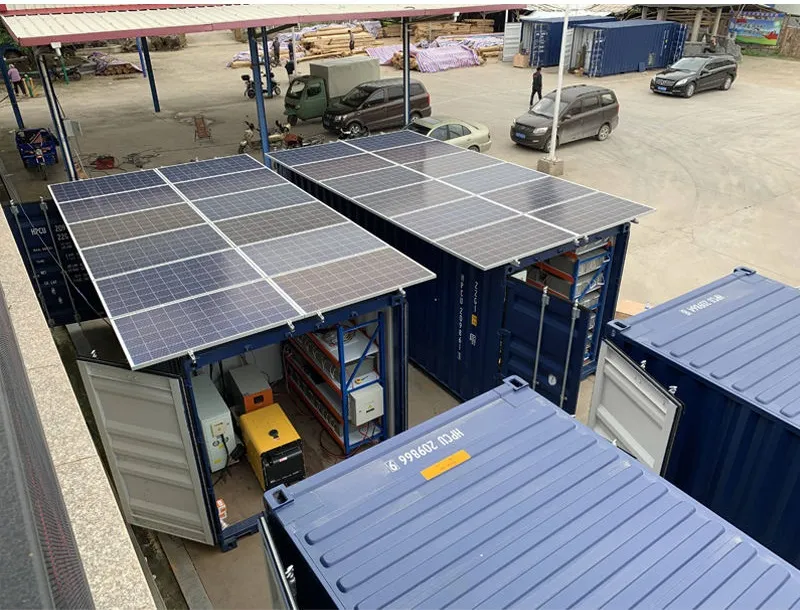
So you're thinking about going solar? That's awesome! Whether you're a homeowner trying to cut electricity bills or a business exploring sustainable energy options, knowing how much power your solar panels can actually generate is crucial. Let's break down this seemingly complex calculation into simple, actionable steps – no PhD required!
Here's the good news : You don't need to be a math wizard to figure this out. By understanding a few key concepts and gathering some basic information about your location and setup, you'll be able to estimate your solar power generation like a pro.
Before we dive into calculations, let's understand what really makes your solar panels tick. These four elements play starring roles in determining your annual energy harvest:
1. Solar Panel Capacity : This is the "nameplate" rating you'll see on specs sheets (e.g., 350W panels). It's measured under perfect lab conditions – think of it as the maximum potential.
2. Sunlight in Your Area : Not all locations are created equal when it comes to sunshine. A solar panel in Arizona will outperform the same panel in Seattle. We measure this in "peak sun hours."
3. System Efficiency : Real-world conditions mean your system won't operate at 100% efficiency. Factors like temperature, dirt on panels, and equipment losses come into play here. Most residential systems operate around 75-85% efficiency.
4. Your Unique Setup : How your panels are tilted, whether they face south, and if they're shaded by trees or buildings – these details matter more than you might think!
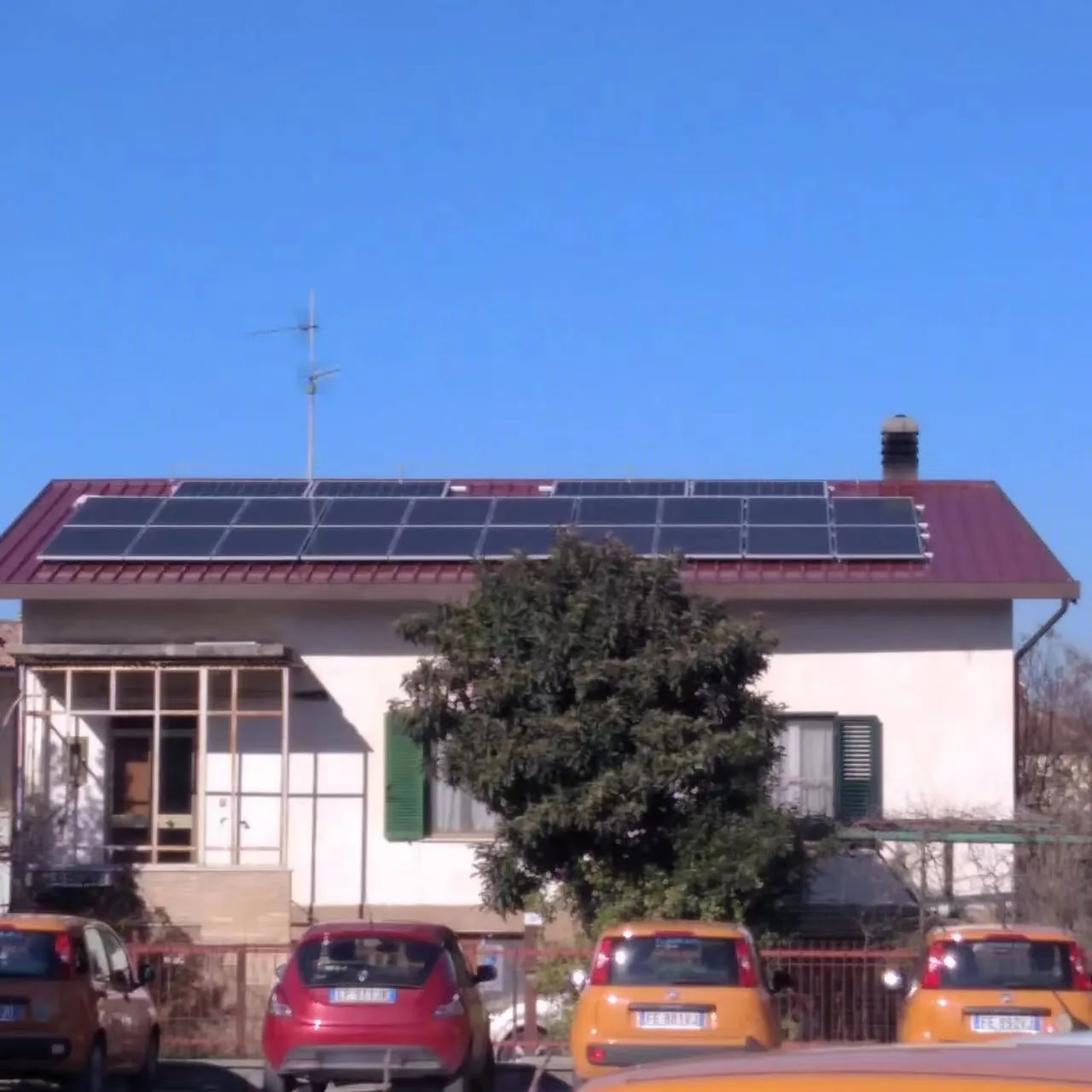
This is where geography matters. You'll need your location's average daily peak sun hours . Don't worry – you don't have to track this yourself! Websites like the National Renewable Energy Laboratory (NREL) provide free solar maps. For example:
Multiply the wattage of one panel by the total number of panels. Say you have 20 panels rated at 350W each:
Congratulations – you now know your system's total capacity !
Here's where many solar calculations go wrong – forgetting that systems don't perform at 100% capacity. We use a system derating factor :
Why 80%? This accounts for:
Now let's combine sun hours with your adjusted system capacity. For our Phoenix example with 6.5 sun hours:
That's your average daily output – enough to run your refrigerator for nearly a week!
The final leap – multiply daily output by days in a year:
If your utility charges $0.15/kWh, that translates to nearly $2,000 in annual electricity savings !

Tilt Angles Matter : Panels tilted at your latitude usually yield optimal results. Roof-mounted systems often use 30-45° angles, while ground mounts offer better optimization.
Seasonal Variations : Don't expect uniform monthly output. Summer months in most regions produce 2-3 times more than winter months. Account for this in your planning.
Microclimate Effects : Your specific location might differ from regional averages. Nearby bodies of water, urban heat islands, or fog patterns can change the game.
The Right Equipment Matters : Pairing your solar panels with high-quality inverters and utilizing micro-inverters in shady areas can significantly boost performance, especially when it comes to your solar panel system. These components play a crucial role in maximizing your investment.
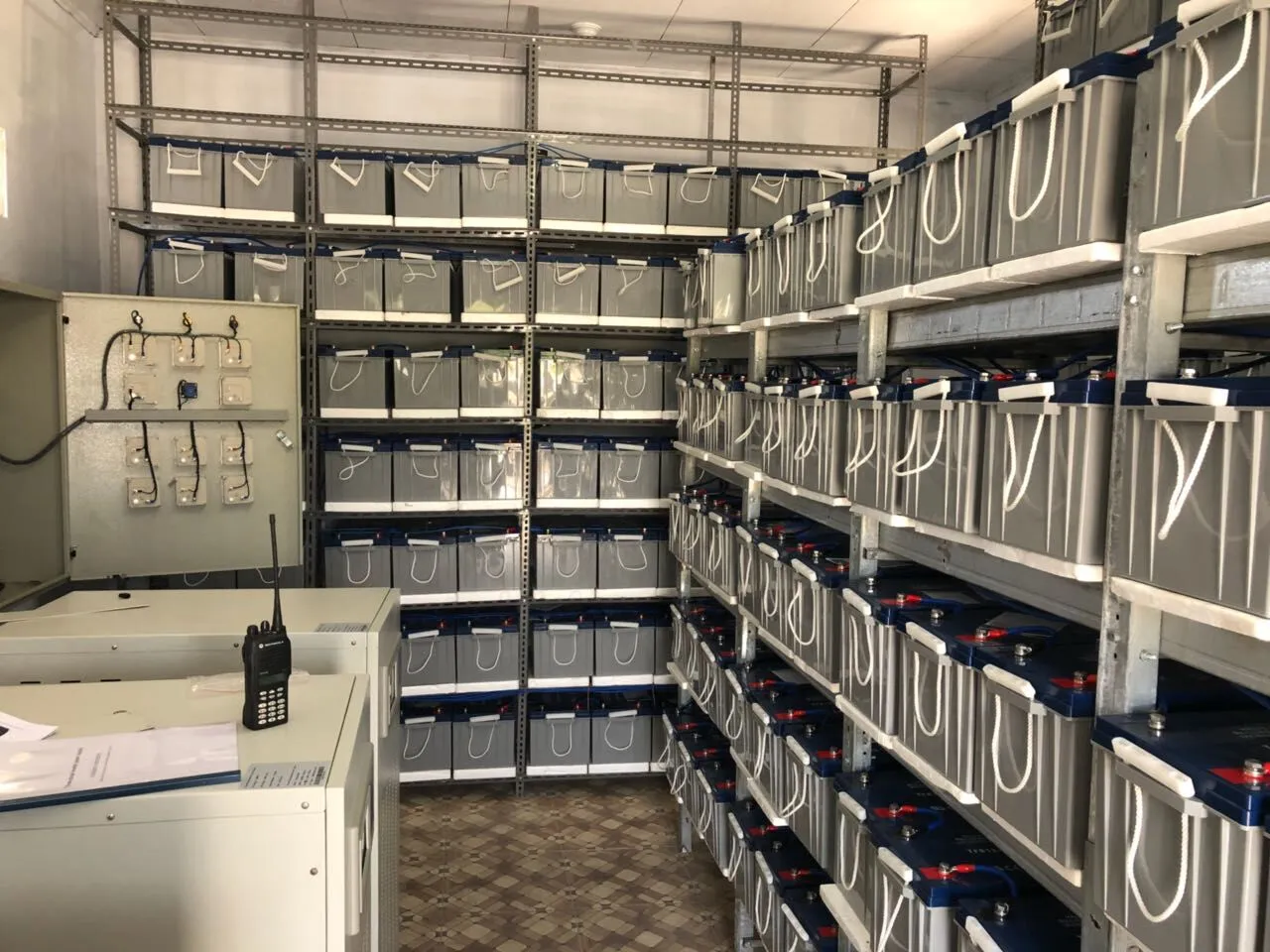
While our manual method works great, specialized tools can provide more precision:
Complex Roof Shapes : Tools like PVWatts from NREL let you input detailed roof angles and orientations.
Hour-by-Hour Simulation : Advanced calculators simulate sun paths throughout the day and year for ultra-accurate estimates.
Financial Modeling : Many calculators incorporate local electricity rates and incentives to show payback periods and ROI.
Commercial projects have unique factors that impact energy yield:
Your solar journey shouldn't end after installation:
Monitoring Software : Most modern inverters offer apps that show real-time and historical performance.
Performance Ratios : Calculate monthly PR = Actual Output / (System Size × Peak Sun Hours) . Values above 75% typically indicate a healthy system.
Degradation Rates : Quality panels degrade about 0.5%/year. If production drops faster, you might have warranty claims.
Calculating your solar energy potential is like putting together a puzzle – each piece adds clarity to the big picture. Remember that our 7kW Phoenix example yielding ~13,000 kWh/year aligns well with real-world data for well-designed residential systems in sunny climates.
Pro tip : Always get 3 professional quotes before installation. Reputable installers provide detailed production estimates and warranties. Remember – solar isn't just about saving money; it's an investment in a sustainable future for our planet.
With this knowledge, you're now equipped to have informed conversations with solar providers, compare quotes meaningfully, and understand what you should realistically expect from your solar investment. Happy solar calculating!
Recommend Products












