
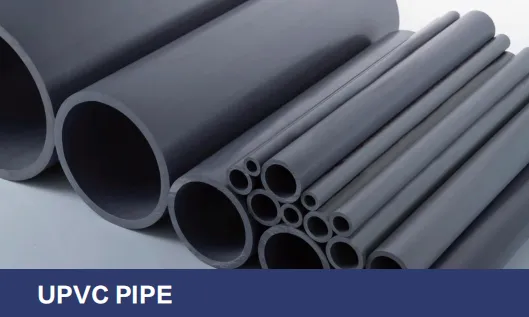
In the world of construction and infrastructure, few materials are as yet critical as UPVC pipes. These unassuming tubes form the backbone of plumbing systems in residential buildings, commercial complexes, hospitals, schools, and even industrial facilities. They carry water, waste, and essential fluids, ensuring our daily lives run smoothly. But here's the thing: not all UPVC pipes are created equal, and neither are the suppliers who provide them. Whether you're a contractor working on a high-rise apartment, a project manager overseeing a hospital renovation, or a developer building a new commercial park, the relationship you have with your UPVC pipe supplier can make or break your project's success. Short-term, transactional relationships often lead to delays, quality issues, and missed deadlines. Long-term partnerships, on the other hand, foster trust, reliability, and mutual growth. So, how do you turn a simple supplier-client dynamic into a lasting collaboration? Let's dive in.
Before you even start searching for a UPVC pipe supplier, take a step back and get crystal clear on what your project actually requires. UPVC pipes aren't a one-size-fits-all solution. A residential building might need standard UPVC DWV pipes for drainage, while a hospital could require high-pressure UPVC pipes that meet strict sanitation standards. Similarly, a commercial complex with underground utilities might need thicker-walled UPVC pipes to withstand soil pressure, whereas a school might prioritize fire-resistant options. The key here is to map out every detail: pipe diameters, pressure ratings, material certifications (like ASTM or DIN standards), delivery timelines, and even potential future needs—like additional PPR pipe and fittings for a later phase of construction.
I once worked with a contractor who skipped this step and ended up with a supplier who only offered basic UPVC pipes. Mid-project, they realized they also needed PEX pipe and fittings for the hot water system, but their supplier couldn't provide them. This led to a last-minute scramble, delayed the project by three weeks, and cost them extra in shipping and labor. Don't make that mistake. By understanding your full range of needs upfront—including related products like PVC DWV pipes or plastic valve systems—you can find a supplier who can grow with you, not just check a box for one product.
Once you know what you need, it's time to find a supplier who can deliver. But this isn't about Googling "UPVC pipe supplier" and picking the first result. Treat this like hiring a new team member: you want someone reliable, experienced, and aligned with your values. Start by asking for referrals from colleagues in the industry—people who've built similar projects. Word-of-mouth is gold here; a supplier who comes recommended by someone you trust is already a step ahead.
Next, dig into their background. How long have they been in business? Do they specialize in UPVC pipes, or do they offer a broader range of products, like PPR pipe and fittings, PVC DWV pipes, or even plastic valve systems? A supplier with a diverse product line is often better equipped to handle your evolving needs. For example, if you start with UPVC pipes for a residential project but later take on a commercial job requiring CPVC Sch80 high-pressure piping, a one-stop supplier can save you the hassle of vetting a new partner.
Certifications matter too. Look for suppliers who adhere to international standards—like ASTM D2846 for CPVC pipes or DIN PN10 for PVC fittings. These certifications aren't just pieces of paper; they're proof that the supplier prioritizes quality and consistency. You should also check their track record with similar projects. If you're building a hospital, ask if they've supplied Class A fireproof materials to healthcare facilities before. If it's a school, inquire about their experience with child-safe, lead-free piping systems.
| Supplier Evaluation Criteria | Why It Matters | Questions to Ask |
|---|---|---|
| Product Range | Ensures they can meet current and future needs (e.g., UPVC, PPR, PVC DWV) | "Do you offer PPR pipe and fittings or PVC DWV pipes in addition to UPVC?" |
| Certifications | Guarantees compliance with safety and quality standards | "Can you provide ASTM or DIN certification for your UPVC pipes?" |
| Industry Experience | Demonstrates understanding of project-specific challenges | "Have you supplied pipes for commercial buildings/hospitals/schools before?" |
| Delivery Network | Affects timeliness and reliability of material arrival | "What's your average delivery time for bulk orders in [your region]?" |
| Customer Support | Crucial for resolving issues quickly during projects | "How do you handle urgent requests or product defects?" |
You've found a supplier with the right products, certifications, and experience. Now, it's time to build the foundation of your partnership: communication. I've seen countless relationships fall apart not because of bad products, but because of poor communication. Maybe the supplier assumed you needed standard UPVC pipes, but you actually required thicker walls for underground use. Or perhaps your project timeline shifted, and you forgot to update them, leading to delayed deliveries. These issues are avoidable—with clear, consistent communication.
Start by setting expectations from day one. Schedule a kickoff meeting (in-person or virtual) to align on project goals, timelines, and potential pain points. Bring your project plan, material lists, and any special requirements. For example, if you need UPVC pipes with custom lengths for a tight ceiling space, say so upfront. Ask the supplier to share their production schedule, lead times, and contingency plans for delays (like raw material shortages or transportation issues). The more transparent you are, the fewer surprises you'll face later.
Don't stop at the kickoff. Establish regular check-ins—weekly or biweekly, depending on the project timeline. Use these meetings to update each other on progress: Are you on track to need the next batch of pipes in two weeks? Has the supplier encountered any production delays? This ongoing dialogue keeps everyone accountable and allows you to address small issues before they become big problems. I once worked with a supplier who proactively called to say their UPVC pipe production would be delayed by three days due to a machinery issue. Because we'd built that communication habit, we adjusted our construction schedule, and the delay didn't impact the project. If they'd stayed silent, we would have had a crew sitting idle, costing us thousands.
Also, be open about feedback—both positive and negative. If a batch of UPVC pipes arrives with minor scratches, tell them. If their delivery team went above and beyond to unload materials on a rainy day, thank them. Suppliers appreciate constructive feedback; it helps them improve, and it shows you care about the partnership, not just the transaction.
"Quality first" is a cliché for a reason: it's true. In construction, cutting corners on material quality can lead to leaks, structural damage, or even safety hazards—all of which cost far more than the savings from cheap pipes. A long-term partnership with a UPVC pipe supplier should give you peace of mind about quality, but that doesn't mean you should blindly trust them. Trust, but verify.
Start by requesting samples before placing a bulk order. Inspect the UPVC pipes for uniformity: Are the walls consistent in thickness? Are the ends smooth, with no burrs that could damage fittings? Check for certifications again—ask to see physical copies of ASTM or ISO certificates, not just digital ones. You can even send samples to a third-party lab for testing if the project is high-stakes (like a hospital or school).
Once the first shipment arrives, conduct a receiving inspection. Count the pipes to ensure you got what you ordered, and check for damage during transit. If you notice issues—like cracked pipes or incorrect sizes—document them with photos and notify the supplier immediately. A good supplier will take responsibility and replace the defective products without hesitation. In fact, how they handle mistakes is a litmus test for the partnership. Do they blame the shipping company, or do they work with you to fix the problem? A partner will choose the latter.
Over time, as the partnership grows, you might relax some inspections—but never stop being vigilant. Even the best suppliers can have off days. Regular spot checks ensure that quality remains consistent, and it sends a message that you value excellence, which encourages the supplier to maintain their standards.
A true partnership isn't just about the supplier providing you with UPVC pipes—it's about both of you growing together. Think about it: your success leads to more projects, which means more orders for them. Their success—through better products, faster delivery, or innovative solutions—makes your projects run smoother. So, look for ways to collaborate beyond the basics.
For example, share your future project plans with them. If you're expanding into commercial construction next year, mention that you might need CPVC Sch80 high-pressure piping or PPR pipe and fittings. This gives the supplier time to prepare—maybe they'll invest in new machinery or train their team to handle those products. In return, ask them about new developments in their industry. Are they testing a more durable UPVC formula? Have they started offering eco-friendly options, like recycled plastic valve systems? Being open to their innovations can give you a competitive edge on the job site.
Volume discounts are another area where mutual growth shines. If you commit to larger, regular orders, ask for preferential pricing. Suppliers often offer discounts to loyal customers, and this can lower your project costs while increasing their revenue. It's a win-win. Just make sure the discount doesn't come at the expense of quality—negotiate from a place of trust, not pressure.
You can also collaborate on custom solutions. Maybe your project requires a unique UPVC pipe size that's not standard. A partner supplier will work with you to design and produce it, rather than just saying, "We don't carry that." This kind of flexibility is invaluable, especially in niche projects. I once worked with a supplier to create custom-length UPVC pipes for a historic building renovation, where space was limited. They adjusted their production line to meet our needs, and the project was a success—all because we viewed each other as partners, not just buyer and seller.
No partnership is without challenges. There will be delays due to raw material shortages, miscommunications, or unexpected market changes (like a sudden spike in plastic prices). How you handle these moments defines the strength of your relationship. Short-term suppliers might ghost you or hike prices when times get tough. Partners roll up their sleeves and problem-solve with you.
Let's say a global shortage of PVC resin causes the supplier's costs to rise. A transactional supplier might send you a price increase notice with no warning. A partner will call you, explain the situation, and work with you to find a solution—maybe phasing orders to spread out the cost, or adjusting specifications slightly to use a more available material (like switching to PPR pipe and fittings for non-critical areas if UPVC is scarce). The key is transparency: they keep you in the loop, and you remain flexible.
Another common challenge is project delays on your end. Maybe your construction timeline gets pushed back, and you need to postpone a pipe delivery. A partner will accommodate the change without penalizing you excessively, as long as you communicate early. In return, if they need to delay a shipment, you should be understanding—within reason. It's about give and take.
How do you know if the partnership is working? It's not just about whether the UPVC pipes arrive on time (though that's important). It's about the intangibles: Do you feel confident when placing an order? Can you pick up the phone and get a quick response? Do they anticipate your needs before you even ask?
Set clear metrics to track success. These might include on-time delivery rates, defect rates, response time to inquiries, or cost savings from volume discounts. Review these metrics quarterly with the supplier. Celebrate the wins—if delivery rates are 98%, acknowledge their hard work. Address the gaps—if defect rates are higher than usual, brainstorm ways to improve (maybe better packaging or more rigorous inspections).
Over time, you might find that the partnership evolves beyond UPVC pipes. Maybe they start supplying you with other materials, like PVC DWV pipes for drainage or plastic valve systems for irrigation. Or you refer them to other contractors in your network. This kind of organic growth is a sign that the partnership is thriving.
Building a long-term partnership with a UPVC pipe supplier isn't about finding the cheapest option or the one with the flashiest website. It's about finding someone who understands your needs, communicates openly, prioritizes quality, and is willing to grow with you. It takes time, effort, and trust—but the payoff is worth it: smoother projects, fewer headaches, and a competitive edge in the construction industry.
So, the next time you're in the market for UPVC pipes, think beyond the quote. Ask yourself: Is this supplier someone I can see working with five years from now? Do they share my commitment to quality and reliability? If the answer is yes, you've found more than a supplier—you've found a partner. And in construction, partnerships are the foundation of success.
Recommend Products












