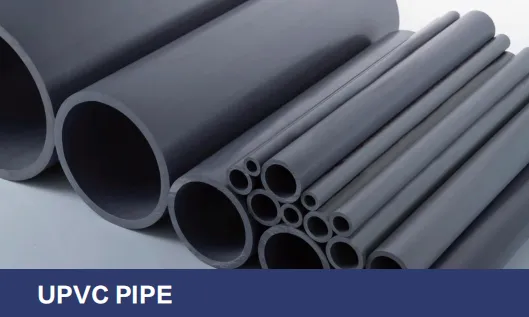
Introduction: Why Choosing the Right Supplier Matters More Than You Think
UPVC pipes are the unsung heroes of modern construction. From residential plumbing systems that keep our homes running smoothly to commercial buildings, hospitals, and even large-scale infrastructure projects, these pipes play a critical role in transporting water, waste, and other fluids safely and efficiently. But here's the thing: not all UPVC pipes are created equal, and neither are the suppliers who sell them. In an industry where demand is high and competition fierce, scam artists have found ways to cut corners, misrepresent products, and leave buyers—whether contractors, project managers, or homeowners—stuck with subpar materials that can lead to leaks, structural damage, and even legal headaches.
Picture this: You're a contractor working on a mid-rise apartment complex. You need reliable UPVC pipes for the building's drainage system, so you start researching suppliers online. One company offers prices that seem too good to pass up—50% lower than the market average. You jump at the deal, order hundreds of meters of pipe, and when they arrive, they feel flimsy, the labeling is vague, and there's no certification in sight. A few months into the project, the pipes start cracking under pressure, causing water damage to lower floors. Suddenly, that "great deal" turns into a nightmare of repair costs, delayed timelines, and angry clients.
This isn't just a hypothetical scenario—it's a reality for many who fall prey to unscrupulous suppliers. The good news? With the right knowledge and a bit of due diligence, you can protect yourself from scams and find a
UPVC pipe supplier you can trust. In this guide, we'll walk you through everything you need to know, from understanding the basics of UPVC pipes to spotting red flags, verifying supplier credibility, and ensuring you get the quality you pay for. Let's dive in.
1. Start with the Basics: What You Need to Know About UPVC Pipes
Before you even start contacting suppliers, it's essential to understand what UPVC pipes are and why quality matters. UPVC, or Unplasticized Polyvinyl Chloride, is a rigid, durable material known for its resistance to corrosion, chemicals, and high temperatures—making it ideal for plumbing, drainage, and vent systems (often referred to as DWV, or Drain-Waste-Vent systems). Unlike regular PVC pipes, which may contain plasticizers that can weaken over time, UPVC is unplasticized, giving it added strength and longevity.
UPVC pipes come in various sizes, thicknesses, and specifications, each designed for specific uses. For example,
PVC DWV pipe suppliers
focus on pipes engineered to handle waste and venting, while others specialize in pressure pipes for water supply. Knowing the difference helps you ask the right questions when evaluating suppliers. It also helps you spot discrepancies: if a supplier claims their UPVC pipe works for both high-pressure water lines and DWV systems without clear specifications, that's a warning sign.
Another key point: UPVC pipes must meet industry standards to ensure safety and performance. Common standards include ASTM (American Society for Testing and Materials), DIN (Deutsches Institut für Normung), and ISO (International Organization for Standardization). A reputable supplier will readily share details about which standards their products comply with—whether it's ASTM D1785 for pressure piping or ASTM D2665 for DWV systems. If a supplier hesitates to provide this information, or if their "certifications" look like generic printouts with no official logos, proceed with caution.
2. Red Flags: How Scam Suppliers Try to Trick You
Scam suppliers rely on buyers' eagerness to save money or meet tight deadlines. They use tactics that seem appealing at first but unravel once the product is delivered. Here are the most common red flags to watch for:
Unrealistically Low Prices
: This is the oldest trick in the book. If a supplier's prices are significantly lower than competitors—say, 30% or more below the average market rate—it's a major warning sign. Quality UPVC pipes require high-grade raw materials and strict manufacturing processes, which come with costs. A supplier offering rock-bottom prices is likely cutting corners, using recycled or plastic, or even selling counterfeit products.
Vague Product Specifications
: Legitimate suppliers provide detailed specs: pipe diameter, wall thickness (SCH 40 vs. SCH 80, for example), pressure ratings, material composition, and certification numbers. Scammers, on the other hand, use generic terms like "high-quality," "durable," or "industry-standard" without specifics. When asked for details, they might deflect with phrases like "It's all the same" or "Our product meets all requirements"—but can't back it up with documents.
Pushy Sales Tactics
: Scam suppliers often pressure you to "act now" with limited-time offers or "exclusive deals." They might claim stock is running out or that prices will go up tomorrow, creating a sense of urgency to prevent you from doing research. Legitimate suppliers understand that choosing materials is a big decision and will give you the time to verify their credibility.
Poor Communication or Unprofessionalism
: Pay attention to how the supplier interacts with you. Do they respond to emails promptly? Are their representatives knowledgeable about their products? Scammers may have poorly designed websites, broken English in communications, or avoid video calls or site visits. For example, if you ask to speak with their technical team about pipe compatibility with
plastic valve system suppliers
(a common partner for UPVC piping), and they can't connect you or give vague answers, that's a red flag.
3. Verifying Supplier Credibility: The Ultimate Checklist
Now that you know what to watch out for, let's break down how to verify if a
UPVC pipe supplier is legitimate. This step is non-negotiable—taking the time to check these boxes can save you from costly mistakes down the line.
Check Business Registration and Licensing
: Start by confirming the supplier is a registered business. In Saudi Arabia, for example, you can verify a company's registration through the Ministry of Commerce or Chamber of Commerce. Look for a valid trade license, tax ID, and business address. A physical address (not just a PO box) is a good sign—you can even use Google Maps to check if the location matches their claims.
Years in Business
: While new suppliers aren't automatically scams, those with 5+ years of experience are more likely to have a proven track record. Scam operations often pop up, take money, and disappear within a year or two. Ask for references from long-term clients or projects they've supplied—reputable suppliers will happily share these.
Certifications and Quality Standards
: As mentioned earlier, UPVC pipes must meet industry standards. Ask for copies of certifications like ISO 9001 (quality management), ASTM compliance reports, or local certifications (e.g., SASO in Saudi Arabia). For specialized projects, like hospitals or schools, suppliers might need to adhere to stricter standards—similar to how
class A fireproof CPL inorganic board for hospital and school suppliers
must meet rigorous fire safety codes. If a supplier claims their pipes are "certified" but can't provide official documents with verifiable numbers, walk away.
Factory and Production Capabilities
: If possible, arrange a virtual or in-person visit to the supplier's factory. This lets you see their production process, quality control measures, and inventory. Even if you can't visit, ask for photos or videos of the factory floor, machinery, and testing labs. A legitimate supplier will be proud to show off their facilities. Be wary of suppliers who refuse or make excuses—they may be middlemen without actual production capabilities, or worse, reselling substandard products from unregulated factories.
Customer Reviews and References
: Search for reviews on platforms like Google, LinkedIn, or industry-specific forums. Look for patterns—consistent complaints about late deliveries or poor quality are red flags, while repeated praise for reliability is a good sign. Don't just rely on online reviews, though—ask the supplier for direct references. Contact those references and ask specific questions: "Did the pipes meet the promised specifications?" "How was the after-sales support?" "Would you work with them again?"
|
Trait
|
Legitimate UPVC Pipe Supplier
|
Scam UPVC Pipe Supplier
|
|
Pricing
|
Competitive but realistic; aligns with market rates for quality materials
|
Significantly below market average; "too good to be true" deals
|
|
Certifications
|
Provides verifiable ASTM, ISO, or local certification documents
|
Claims "certified" but can't produce official, traceable reports
|
|
Communication
|
Responsive, professional, and knowledgeable about products
|
Slow to respond; avoids technical questions or video calls
|
|
Customer References
|
Offers long-term client references and case studies
|
Has no references or provides fake contact information
|
|
Contract Terms
|
Clear, detailed contracts with quality guarantees and return policies
|
Vague contracts with hidden fees; pressures you to sign quickly
|
4. Testing the Product: Don't Take Their Word for It
Even if a supplier checks all the credibility boxes, you should never skip testing the product itself. Samples are your first line of defense against substandard materials. Here's how to evaluate UPVC pipe samples:
Visual Inspection
: Start with the basics. The pipe should have a smooth, uniform surface with no cracks, bubbles, or discoloration. Labels should be clear and include the manufacturer's name, (specifications), batch number, and certification marks. Fuzzy or misspelled labels are a red flag—scammers often cut corners on printing.
Physical Quality
: UPVC pipes should feel rigid and sturdy. If a pipe bends easily or feels lightweight for its size, it may be made with recycled plastic or insufficient material. Tap the pipe gently—legitimate UPVC produces a sharp, clear sound, while pipes sound dull. You can also check the wall thickness with a caliper to ensure it matches the claimed SCH rating (e.g., SCH 40 vs. SCH 80).
Third-Party Testing
: For large orders, consider sending samples to an independent lab for testing. Labs can verify pressure resistance, chemical compatibility, and compliance with ASTM or DIN standards. While this adds a small cost upfront, it's worth it to avoid installing faulty pipes that could fail later. For example, if you're using the pipes in a high-pressure system, a lab test can confirm they meet the required PSI rating—something even a legitimate supplier might exaggerate.
Compare with Known Standards
: If you've worked with reliable UPVC pipes before, compare the sample to one you trust. Notice differences in weight, color, or labeling. You can also cross-reference with samples from other suppliers—like
PPR pipe and fitting suppliers
—to understand how UPVC should feel in comparison (PPR is slightly more flexible, but UPVC should still have distinct rigidity).
5. Pricing Transparency: Watch Out for Hidden Costs
Pricing is often the first thing buyers notice, but it's also where scams hide in plain sight. Here's how to ensure you're getting a fair deal without hidden surprises:
Get Detailed Quotes in Writing
: A legitimate supplier will provide a comprehensive quote that breaks down costs: pipe price per meter, shipping fees, taxes, and any additional charges (e.g., for custom lengths or packaging). Scammers may give a vague "total price" without details, only to add fees later ("We forgot to mention shipping costs—they're an extra 20%").
Compare Multiple Suppliers
: Don't settle for the first quote you get. Request quotes from 3–5 suppliers to understand the market range. If one supplier's price is drastically lower, ask why. They might claim to have "special discounts" or "overstock," but more likely, they're cutting corners on quality. Remember:
PVC DWV pipe suppliers
or
UPVC pipe suppliers
with similar specs should have prices within 10–15% of each other. Anything more than that is suspicious.
Negotiate, But Don't Compromise on Quality
: It's okay to negotiate, but be wary of suppliers who drop prices significantly to win your business. A 5–10% discount for bulk orders is reasonable, but a 30% discount suggests they're willing to sacrifice quality to make the sale. Instead of focusing solely on price, negotiate terms like payment schedules or delivery timelines—these can save you money without risking product quality.
6. Contract Terms: Protect Yourself Legally
Once you've verified the supplier and tested the product, the contract is your final line of defense. Never rely on verbal agreements—get everything in writing, and review the contract carefully before signing. Here are key clauses to include:
Quality Guarantees
: The contract should state that the UPVC pipes meet the agreed-upon specifications (e.g., ASTM D1785, SCH 40) and include a warranty period (typically 1–5 years). If the pipes fail during this period due to manufacturing defects, the supplier should replace them at no cost.
Delivery Timelines
: Clearly outline delivery dates, including penalties for delays. For example, "If delivery is more than 10 days late, the supplier will deduct 5% from the total invoice." This holds the supplier accountable and protects your project timeline.
Payment Terms
: Avoid paying the full amount upfront. A common structure is 30% deposit, 60% upon delivery and inspection, and 10% after successful installation or a 30-day trial period. This ensures the supplier delivers as promised before receiving full payment.
Return and Refund Policy
: What happens if the delivered pipes don't match the sample or fail inspection? The contract should specify a return window (e.g., 7 days) and a refund process. Scam suppliers often omit this clause or make returns nearly impossible.
Dispute Resolution
: Include a clause that outlines how disputes will be resolved—whether through mediation, arbitration, or legal action in your country. This prevents the supplier from hiding behind vague "terms and conditions" or refusing to address issues.
7. After-Sales Support: The Mark of a Reputable Supplier
A supplier's job doesn't end when the pipes are delivered. Legitimate suppliers stand behind their products with ongoing support, while scammers disappear once they've cashed your check. Here's what to look for:
Technical Assistance
: Even after delivery, you might have questions about installation, compatibility with other materials (like
plastic valve system suppliers
), or maintenance. A good supplier will have a technical team available to answer calls or emails and provide guidance.
Replacement Parts
: Over time, you may need additional pipes or fittings. A reliable supplier will keep stock of their products and offer consistent pricing, making it easy to source replacements if needed.
Customer Service
: If you encounter issues, the supplier should respond promptly and work to resolve them. For example, if a batch of pipes arrives with damaged ends, they should arrange a replacement shipment within days—not ignore your calls.
8. Real-World Case Studies: Scams and How They Could Have Been Avoided
To drive these points home, let's look at two real-world examples of UPVC pipe scams and the lessons we can learn from them.
Case Study 1: The "Too Good to Be True" Price
: A construction company in Riyadh needed 500 meters of UPVC pipe for a residential project. They found a supplier online offering pipes at 40% below market price. The supplier claimed to be a "direct manufacturer" with ISO certification and sent a professional-looking quote. The company paid a 50% deposit, but when the pipes arrived, they were thin, poorly labeled, and failed a simple pressure test. When the company tried to contact the supplier, the phone number was disconnected, and the email bounced. The lesson? Always verify certifications independently and avoid large upfront payments.
Case Study 2: Misrepresented Specifications
: A hotel project required DWV pipes for its plumbing system. The contractor chose a supplier who claimed their pipes met ASTM D2665 standards. However, during installation, the pipes cracked under normal use. An independent lab test revealed the pipes were actually made for low-pressure systems (like irrigation) and not suitable for DWV. The supplier refused to honor the warranty, claiming the contractor "misused" the product. The lesson? Get third-party testing for critical projects and include detailed specs in the contract.
Conclusion: Your Guide to Finding a Trusted UPVC Pipe Supplier
Choosing a
UPVC pipe supplier is a decision that impacts the safety, durability, and success of your project. Scams are out there, but they're avoidable with the right approach: start by understanding UPVC pipe basics, spot red flags like unrealistic prices and vague specs, verify supplier credibility through registration, certifications, and references, test products thoroughly, negotiate clear contracts, and prioritize after-sales support.
Remember, the goal isn't just to find a supplier—it's to build a long-term partnership with a company that values quality and transparency. Whether you're a contractor, project manager, or homeowner, taking the time to do your due diligence will save you from headaches, costs, and regret down the line. And when you find that reliable supplier, hold onto them—they're worth their weight in (quality) UPVC pipe.