


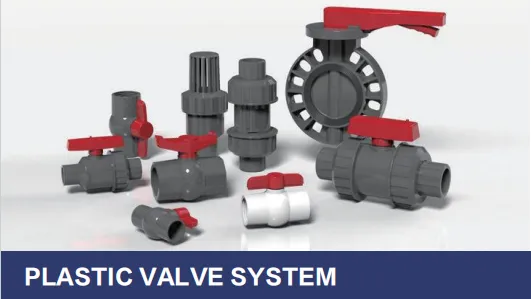
Picture this: A team of contractors wraps up a commercial building project in Jeddah, Saudi Arabia. The plumbing system, fitted with modern plastic valve system solutions, passes initial inspections, and the client signs off. Six weeks later, the maintenance team notices a slow leak behind a wall—small at first, but by the time it's discovered, water has seeped into the drywall, causing mold growth and requiring thousands of riyals in repairs. The culprit? A slightly misaligned plastic valve that went unnoticed during installation.
Misalignment in plastic valve systems isn't just a minor hiccup; it's a silent disruptor that can derail projects, inflate costs, and damage reputations. Whether you're working on a residential renovation or a large-scale commercial development, the alignment of valves, pipes, and fittings directly impacts system performance, longevity, and safety. In this guide, we'll walk through why misalignment happens, how to prevent it, and the steps you can take to ensure your plastic valve system solutions function flawlessly for years to come. We'll also touch on the role of reliable suppliers—like a trusted pvc dwv pipe supplier or ppr pipe and fitting supplier—in setting your installation up for success.










