


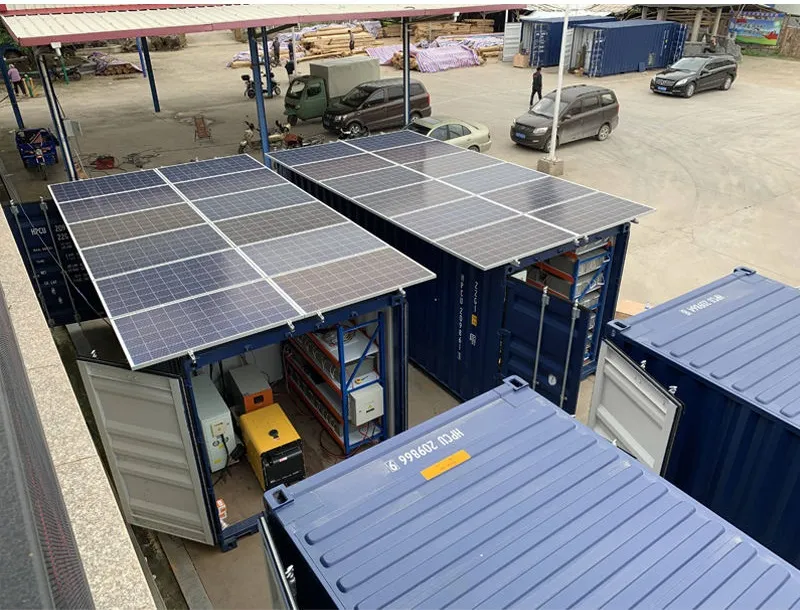
You've probably seen solar panels on rooftops across your neighborhood—those familiar blue rectangles soaking up sunlight. But what if I told you that beneath those glass surfaces lies a world of tile-inspired technology that's quietly revolutionizing solar efficiency? Forget everything you thought you knew about solar energy; we're entering a new era where tile engineering principles are slashing energy losses and boosting power output in ways that seemed impossible just a decade ago.
Think about traditional ceramic tiles. They've been sheltering us from the elements for thousands of years. Now imagine applying that same durability and weather-resistant intelligence to solar panels. That's exactly what engineers have been doing. By borrowing secrets from architectural façade solutions and material science, solar manufacturers have created photovoltaic systems that aren't just collecting sunlight—they're practically holding onto every precious photon for dear life.
️ Under the Microscope: Modern solar tiles use nano-textured surfaces inspired by ceramic glazing techniques. These microscopic ridges scatter light internally, giving photons multiple chances to be absorbed instead of bouncing away.
1. The Sneaky Energy Thieves in Traditional Solar
Picture this: sunlight hits a solar panel like a gentle rain shower. But instead of being captured, up to 30% of that precious energy just washes away due to reflection, heat buildup, or dirt accumulation. It's like trying to carry water in a leaky bucket—frustratingly inefficient.
The worst offenders? Reflective loss that bounces sunlight away before it can be converted, thermal loss that literally cooks your electronics, and resistive loss that saps power as it travels through wires. Traditional panels are vulnerable to all three, leaving homeowners with disappointing energy bills despite having shiny new solar arrays.
"We discovered that cells placed on tile-like substrates stayed up to 15°C cooler than those on conventional backsheets. That temperature difference alone translates to a 7.5% power boost—for free." - Dr. Elena Rodriguez, MIT Energy Initiative
2. How Tile Geometry Locks in Sunlight
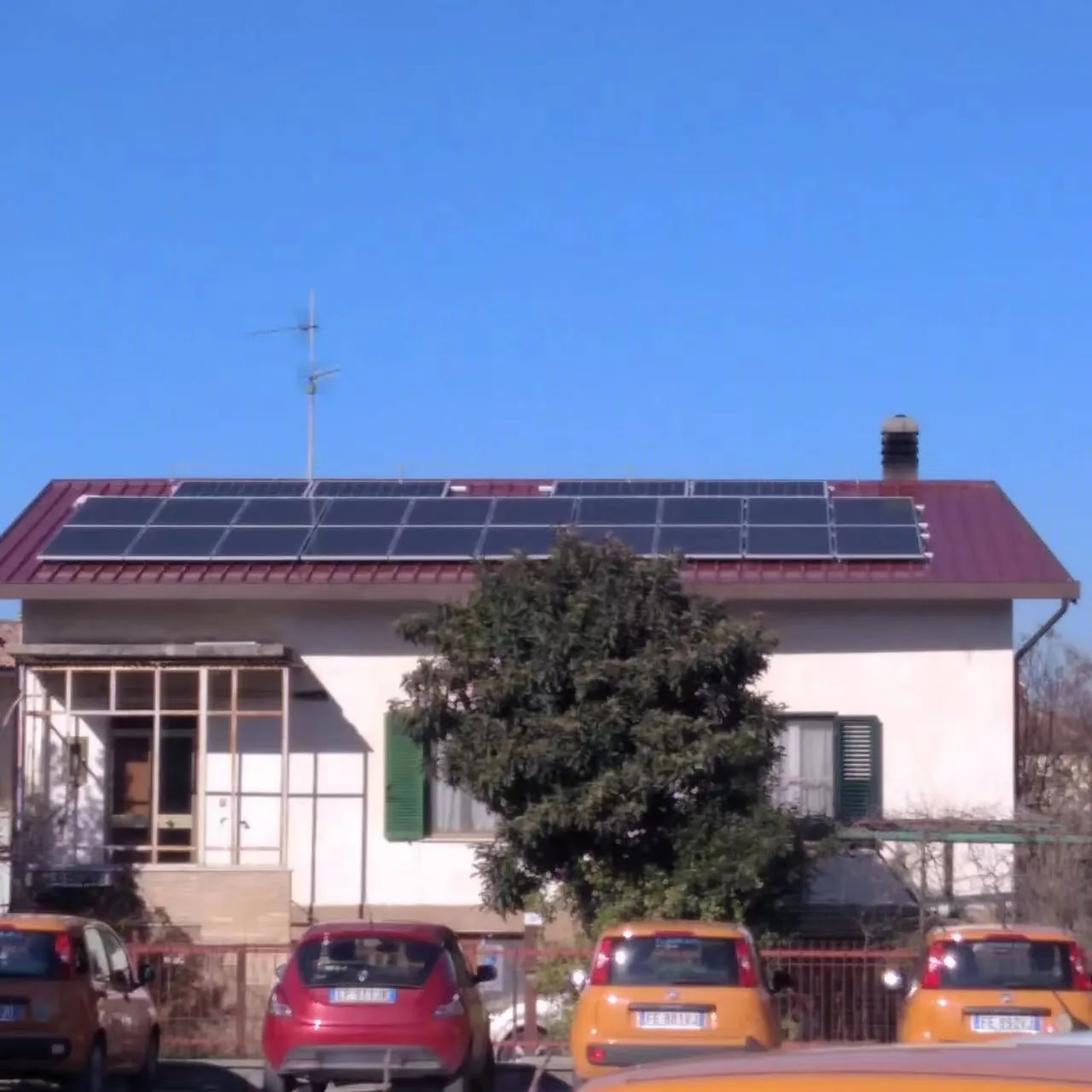
What's the magic? It's all about angles and surfaces. Just like bathroom tiles prevent water from pooling in corners, solar tiles use similar geometric tricks to combat energy loss:
• Edge Sealing: Micro-grooved edges create "light traps" that bounce errant photons back into the cell like a pinball machine.
• Self-Cleaning Surfaces: Hydrophobic coatings borrowed from high-end shower tiles cause rainwater to sheet off, dragging dust with it.
• Thermal Channels: Hidden cooling veins inspired by terracotta tile ventilation maintain optimal operating temperatures.
The beauty is in how these features work together. During a hot summer afternoon, while conventional panels sweat away efficiency, tiled solar units keep calm and collected. Their interlocking design creates micro-climates that regulate temperature while that clever surface coating ensures every raindrop becomes a free cleaning service.
3. Power Boosting: Beyond the Obvious
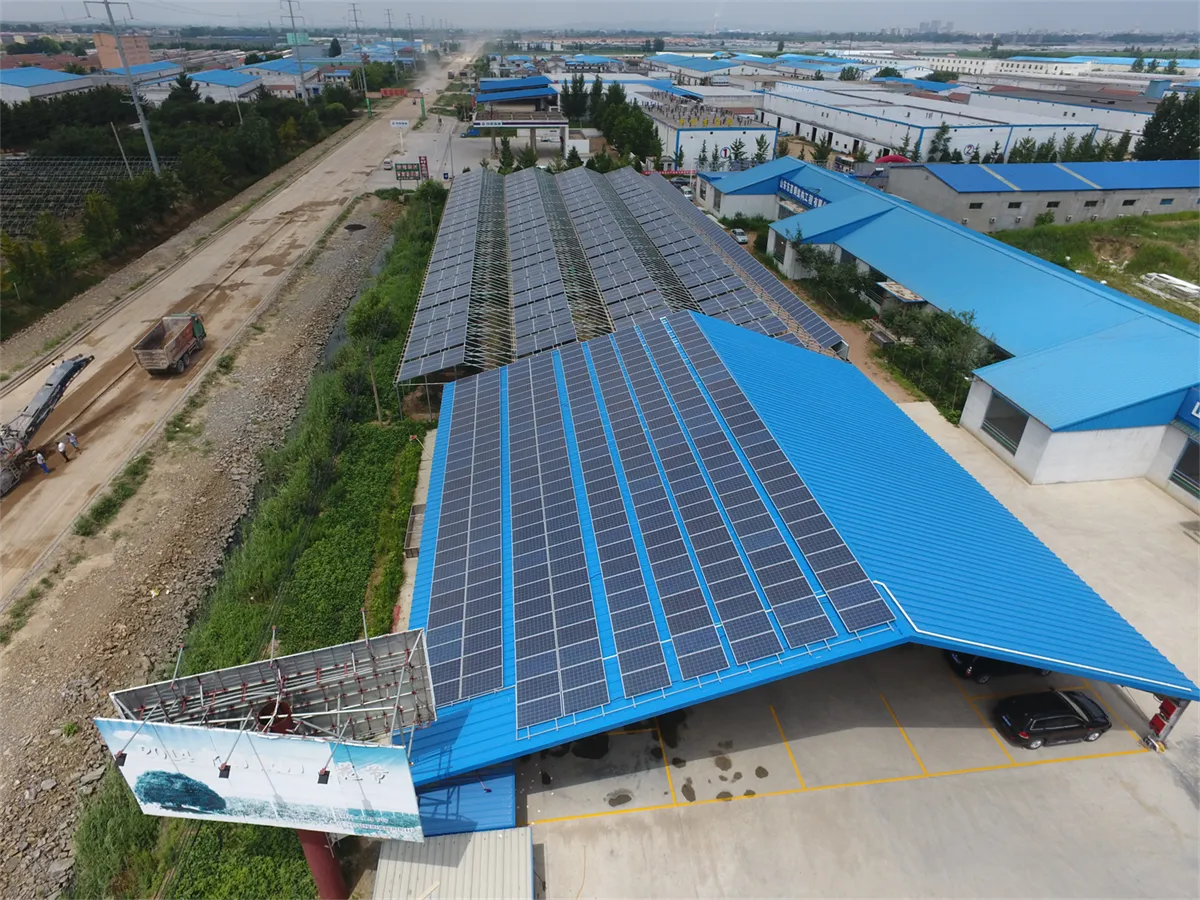
Now let's talk power. Tile technology doesn't just save wasted energy—it actively squeezes more juice from the same sunlight. Here's how:
Light Recycling: Specialized back-reflectors bounce unabsorbed light through the cell multiple times, mimicking how light dances across a polished marble floor.
Spectrum Shifting: Luminescent particles (like those in decorative tiles) convert useless UV light into usable visible wavelengths.
Stress Distribution: The modular nature of tile layouts prevents micro-cracks that plague large-format panels, maintaining peak output for decades.
The numbers speak volumes: Tesla's Solar Roof tiles demonstrate 18% higher efficiency in low-light conditions compared to conventional panels. Dawn and dusk—traditionally solar's weakest hours—become productive thanks to smart light manipulation.
️ Real-World Win: During last summer's wildfire haze in California, homes with solar tile systems outperformed conventional arrays by 22% due to superior diffuse light capture—no imagination required.

4. From Labs to Roofs: Case Studies
Meet Sarah and Tom from Phoenix, Arizona. After installing tiled solar panels, they witnessed something remarkable: their system generated 14% more power annually despite Phoenix's notorious dust storms. The self-cleaning surfaces maintained peak performance while their neighbors battled efficiency losses.
Or consider Boulder, Colorado's municipal building. By integrating solar tiles into its façade (using techniques similar to exterior wall siding), the structure now produces 40% of its own power while eliminating the "solar panel eyesore" debate altogether.
"We achieved 97.5% uptime during hurricane season thanks to the wind-deflecting tile profiles. Traditional panels in our area averaged 88% due to shutdowns and damage." - Florida Power & Light Technical Report 2024
5. Future Horizons
What's next? Imagine solar shingles with integrated battery storage in each "tile," or photovoltaic cells printed onto flexible roof underlayment inspired by shower pan liners. Labs are experimenting with "breathing tiles" that open micro-vents to cool themselves on hot days—like terracotta chimney effects modernized for energy tech.
The most exciting development? Active cooling systems using capillary action principles borrowed from decorative wall materials. These microfluidic networks could boost efficiency another 5-8% while doubling panel lifespan.
The bottom line? We're not just slapping blue rectangles on roofs anymore. By embracing tile-inspired design—durability, beauty, and smart material science—we're entering solar's golden age. Losses are shrinking, outputs are climbing, and soon, energy-harvesting surfaces will blend seamlessly into our homes like the tile floors and walls we've cherished for centuries.
By the Numbers: Projected efficiency gains from tile technology could add 47 terawatt-hours of annual global solar production by 2030—equivalent to powering 44 million homes.










