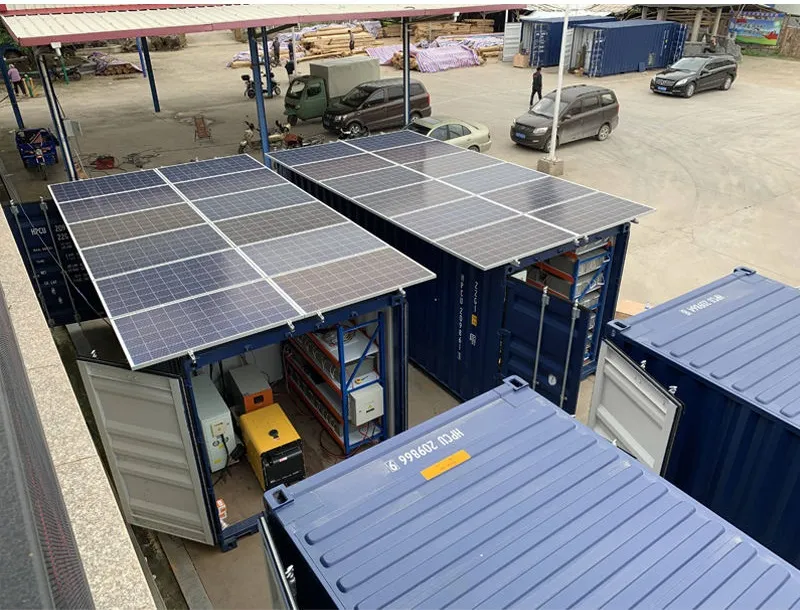
You've probably seen more solar panels popping up in your neighborhood lately. What started as an eco-friendly alternative has become serious money business for homeowners. But when you hear your neighbor saved $150 a month, or that coworker got a tax credit, it leaves you wondering:
"What would solar really cost for MY home?"
Let's break it down without the sales pitches.
Bottom line up front:
The average homeowner spends $15,000-$25,000 upfront before incentives. But after tax credits, that drops to $10,500-$17,500. Most systems pay for themselves in 7-10 years, then generate essentially free power for 15+ more years. The real question isn't "can I afford solar?" It's "can I afford NOT to?" when electricity prices keep climbing.
The Price Revolution: Solar's Incredible Journey
Back in 1975, solar panels cost over $100 per watt. Today? Around $0.20-$0.30 per watt – that's a 99.7% price drop! What happened?
Three big shifts changed everything. Manufacturing scaled massively, especially in Asia. Panel efficiency jumped from 5% to over 22%. Governments worldwide pushed incentives. Suddenly, solar transformed from astronaut tech to something you see at Home Depot. We're living through an energy revolution most folks haven't even noticed.
1975 Costs
>$100 per watt
Efficiency: 5-7%
Payback period: Never
2005 Costs
$5-$7 per watt
Efficiency: 12-15%
Payback: 20+ years
2025 Costs
$0.20-$0.30 per watt
Efficiency: 20-24%
Payback: 7-10 years
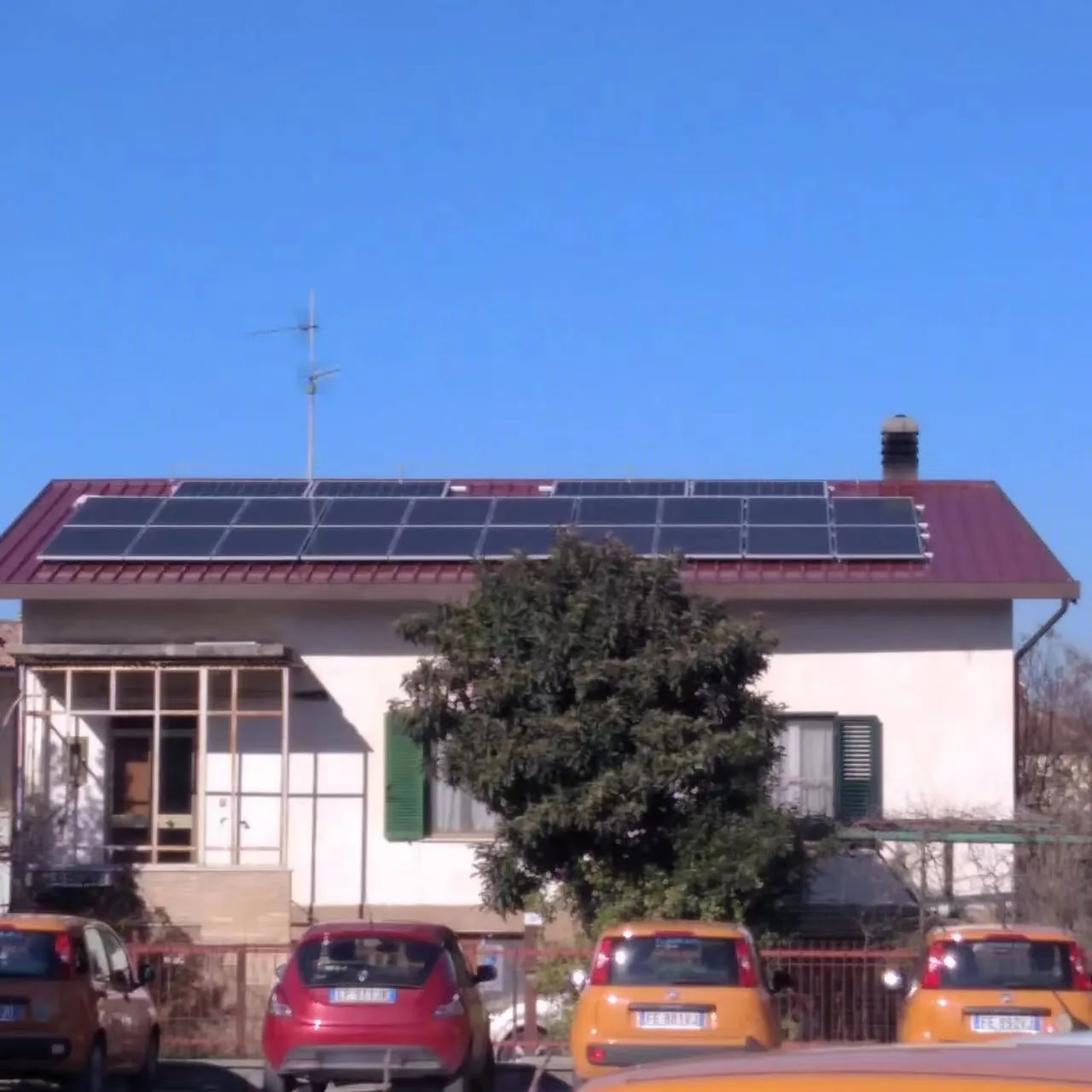
What You're Actually Paying For: The Solar Anatomy
The Brains: Solar Panels (30% of Cost)
Panels aren't created equal. You've got:
-
Premium brands (REC, Panasonic):
$1.00-$1.50/watt. Think luxury car – smoother efficiency curve, 25+ year warranties, better low-light performance.
-
Mid-tier (Canadian Solar, Trina):
$0.70-$0.90/watt. The sensible sedan – 85% of premium performance at 60% price.
-
Value options:
$0.50-$0.65/watt. The economy model – works fine in ideal conditions, less warranty protection.
Wattage matters more than size:
A 400W panel costs more than a 330W panel but needs
18% fewer panels
. Fewer panels mean less mounting hardware and labor. Often, fewer panels save you 10-15% overall.
The Translator: Inverters (10-15% of Cost)
Solar panels produce DC electricity. Your home uses AC. Inverters bridge this gap:
|
Type
|
Cost Per Watt
|
Best For
|
Shade Handling
|
|
String Inverters
|
$0.20-$0.40
|
Simple roofs, full sun
|
Poor
|
|
Microinverters
|
$0.45-$0.65
|
Complex roofs, partial shade
|
Excellent
|
|
Power Optimizers
|
$0.35-$0.50
|
Balance of cost/shade
|
Good
|
If you've got an oak tree shading half your roof at 3 PM, microinverters can boost your output 5-10%. That difference pays back the upgrade in 3-4 years typically.
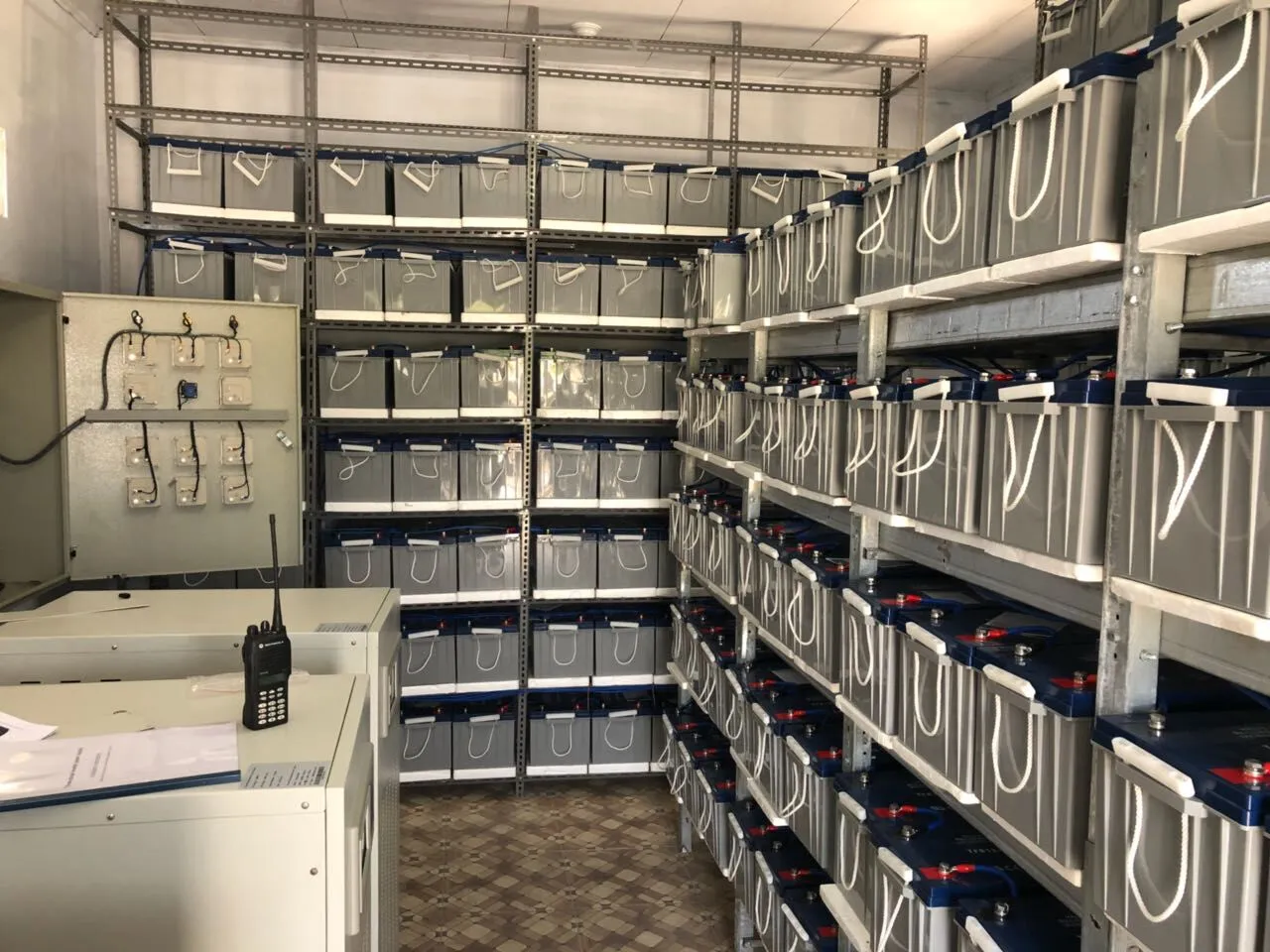
The Night Shift: Batteries (Add $8K-$30K)
Solar panels work when the sun shines. Batteries let you use solar at night or during outages. Game changer – if you can stomach the price:
-
Small (10kWh):
Powers refrigerators + lights during outages. $8K-$12K
-
Medium (13-16kWh):
Runs AC/heating for 4-6 hours. $12K-$18K
-
Whole-home (20kWh+):
Full backup for large houses. $18K-$30K+
Here's the exciting part: Battery costs dropped 15% in 2023 alone. Plus, the 30% federal tax credit applies! Some utilities pay you $500/year to tap your battery during grid stress. What used to be a luxury item is becoming financially sensible.
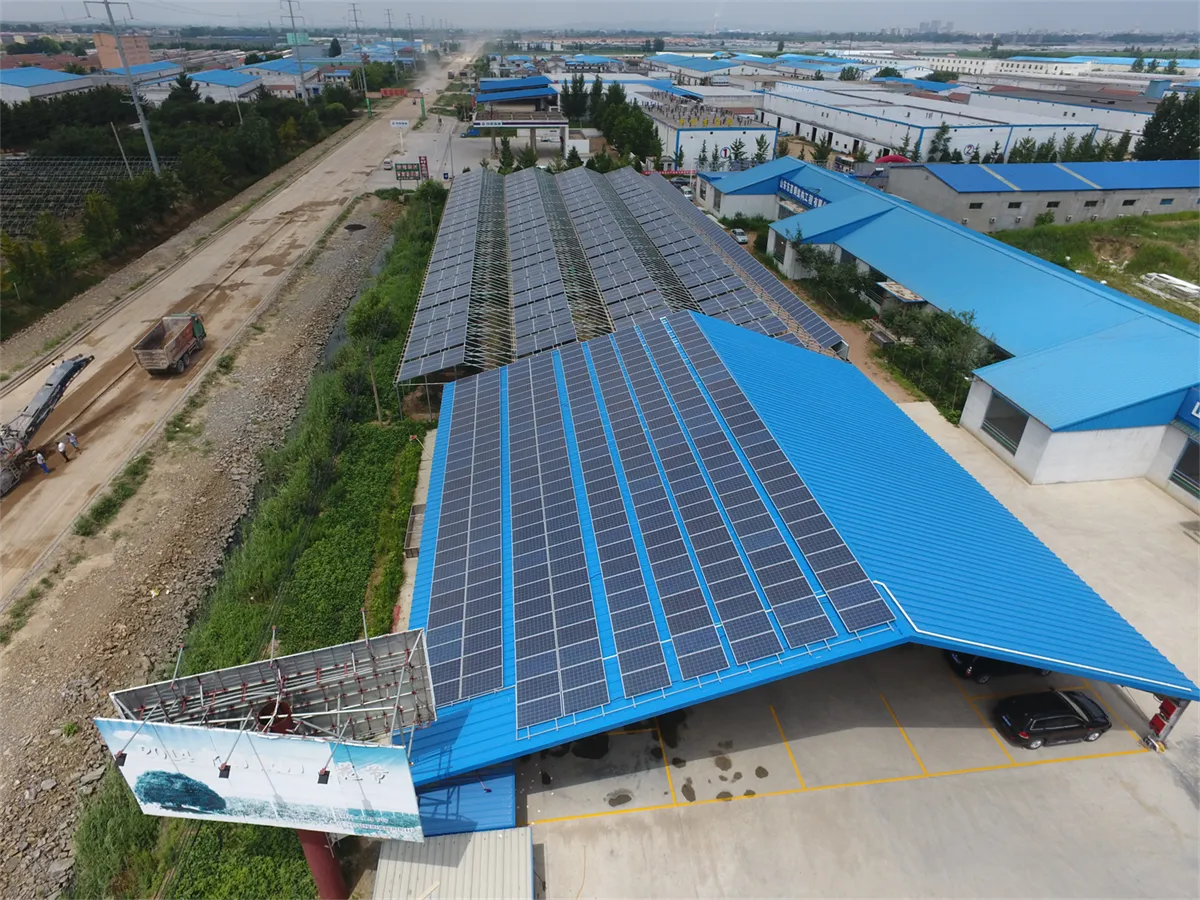
Why Installation Costs Vary Wildly ($0.30-$0.90/Watt)
Your Roof's Personality Matters
Installers have favorite roof types... and nightmares:
-
Asphalt shingle:
$0.30-$0.40/watt – like working on a flat driveway
-
Metal seam:
$0.40-$0.55/watt – clamps without drilling holes
-
Tile/slate:
$0.60-$0.90/watt – fragile material needs special handling
Location, Location, Wattage
Electrical work costs depend heavily on local codes:
-
California/NYC:
$0.50-$0.60/watt – strict earthquake/fire codes
-
Texas/Florida:
$0.30-$0.40/watt – streamlined permitting
-
Rural areas:
Add $800-$2,000 – crew transport time adds up
Pro tip: Larger systems cost LESS per watt. Fixed costs (permits, crew setup) get spread over more panels. A 4kW system might be $3.30/watt while a 10kW system is $2.80/watt. If you have space, plan for future EVs or heat pumps.
Size Matters: What Works For Your Home
|
Home Size
|
System Size
|
Typical Cost (Before Tax Credit)
|
Annual Energy Production
|
What It Powers
|
|
Small (1,000-1,500 sq ft)
|
4kW
|
$13,200-$16,500
|
5,800-6,500 kWh
|
45-60% of electricity for efficient homes
|
|
Medium (1,500-2,500 sq ft)
|
6.5kW
|
$21,450-$26,800
|
8,500-10,400 kWh
|
70-90% of usage for most families
|
|
Large (2,500+ sq ft)
|
10kW
|
$33,000-$39,600+
|
13,000-16,000 kWh
|
Full power + electric vehicle charging
|
Remember: Southwest homes generate 30% more power than northern homes with identical systems. Your installer should use satellite tools to predict
your roof's
exact output.
The Hidden Savings: What Nobody Tells You
The Bonus Home Value Boost
Studies show solar adds about 4% to home value. Here's the math on a $400,000 home:
-
6kW system installation cost: ≈$19,800
-
Home value increase: $16,000-$20,000
-
Net equity gain
immediately
after install
Better yet: Homes with solar sell 20% faster. Why? Buyers love pre-installed upgrades.
Net Metering Magic
Think of net metering as your solar savings accelerator:
-
29 states give full retail credit for excess power you send to grid
-
Peak-time rates mean your solar exports might be worth double!
-
In California, solar exports at 4 PM can be worth $0.45/kWh vs $0.18 overnight
Real-world example:
A Texas homeowner pays $0.14/kWh for electricity. With solar, she pays near zero. But during heat waves, she exports power when utilities pay $0.40/kWh. Her system pays back
faster
than expected due to "peak pricing bonuses."
State-by-State Reality Check
Where you live impacts costs dramatically:
|
State
|
Avg. Cost per Watt
|
6kW System Cost
|
After 30% Tax Credit
|
Special Incentives
|
|
Arizona
|
$2.52
|
$15,120
|
$10,584
|
$1,000 state tax credit
|
|
Massachusetts
|
$3.25
|
$19,500
|
$13,650
|
15% state credit + Solar Renewable Energy Credits
|
|
New York
|
$3.15
|
$18,900
|
$13,230
|
25% state tax credit up to $5,000
|
|
Texas
|
$2.65
|
$15,900
|
$11,130
|
No state tax but simple permits = lower labor
|
Finding top
solar panel suppliers
in your area matters too. Established markets like Phoenix have 40+ installers competing – that drives prices down 15-20% vs. rural markets.
The Future: Where Prices Are Heading
Solar isn't done getting cheaper:
-
2026-2027:
New perovskite solar cells may hit 30% efficiency at current costs
-
2028:
Recycling programs could slash new panel production costs 15%
-
2030+:
"Building-integrated" solar (roof tiles, windows) could eliminate separate install costs
Here's the paradox: Waiting for lower prices costs more than acting now. Electricity rates rose 5.3% annually since 2018. A $200 electric bill today will be $260 in 2028. Locking in solar now fixes your "energy mortgage" before rates climb higher.
The Bottom Line: Is Solar Worth It for You?
Consider solar if:
-
Your electric bill is over $150/month
-
Your roof has 10+ years life remaining
-
You get decent sun exposure (satellite tools verify this)
-
You live in a state with good net metering
Avoid if:
-
Planning to move in under 5 years
-
Roof needs replacement soon
-
Extreme shade with no tree trimming options
For most homeowners, solar has moved from eco-statement to shrewd financial move. The systems pay back faster than kitchen remodels, add real estate value, and lock in energy costs in an uncertain world. The question shifts from "if" to "when" and "how big."