

Bridging vision and reality: The partnership that shapes exceptional buildings
Every architect carries a vision—a mental image of how a building should look, feel, and function long before ground is broken. Yet translating that vision into brick, stone, or paneling is rarely straightforward. When it comes to exterior and interior cladding, the stakes are even higher: the right material can turn a structure into a landmark, while the wrong choice can lead to costly repairs, safety risks, or a design that feels disconnected from its purpose. For many architects, especially those balancing residential and commercial projects, the search for that perfect material often leads them to a trusted PU stone wall panel supplier —not just a vendor, but a collaborator who understands that material selection is about more than specs. It's about breathing life into a design.
In a market flooded with options—from natural stone to concrete, MCM flexible cladding to WPC wall panels—architects face a unique set of challenges. How do you honor a client's desire for a "timeless, natural look" while adhering to strict fire codes in a hospital? How do you create a striking architectural façade solution for a high-rise in Riyadh that can withstand scorching summers and sandstorms without fading? And how do you do it all within a budget that doesn't compromise quality? These are the questions that keep architects up at night. And it's where PU stone wall panel suppliers step in, armed with expertise, flexibility, and a commitment to turning obstacles into opportunities.
To understand the role of PU stone wall panel suppliers, it helps to first walk in an architect's shoes. Imagine designing a boutique hotel in Jeddah, where the client dreams of a façade that evokes the warmth of traditional Saudi architecture but demands the durability to handle coastal humidity. Or picture a school in Riyadh, where safety is non-negotiable—Class A fire ratings, impact resistance, easy cleaning—and yet the headmaster wants spaces that feel welcoming, not sterile. These scenarios highlight the three core tensions architects navigate daily:
Natural stone, for example, is undeniably beautiful. Its unique veining and texture can make a building feel grounded and luxurious. But it's heavy—often requiring reinforced structural support—and porous, making it prone to water damage in rainy climates. Architects may love the look, but specifying it could mean redesigning the building's frame or adding costly waterproofing. "I once had a client who fell in love with Italian marble for a residential project," recalls Omar, an architect with a Riyadh-based firm. "But when we crunched the numbers, the weight alone would have added 15% to the structural budget. We needed an alternative that looked just as good but didn't require reengineering the foundation."
Regulations vary wildly between projects. A residential building materials supplier might focus on cost and style, but a commercial building materials supplier knows that hospitals, schools, and high-rises demand rigorous testing. Fire resistance, acoustic performance, and even mold resistance can derail a design if materials aren't chosen carefully. "For a recent hospital project, we needed wall panels that were Class A fireproof, easy to sanitize, and didn't off-gas harmful chemicals," says Lina, an architect specializing in healthcare facilities. "We considered natural stone, but it's hard to clean and doesn't meet fire codes for corridor walls. It felt like we had to choose between safety and a calming, natural environment—until we discovered PU stone panels."
Clients often fixate on upfront costs, but architects know that cheap materials can lead to expensive problems later. A low-cost vinyl cladding might save money today but crack in extreme heat, requiring replacement in five years. On the flip side, premium natural stone could blow the budget, leaving no room for other design elements. "It's a balancing act," says Kareem, who designs commercial spaces in Dubai. "I once argued with a client for weeks about using PU stone over traditional brick for a retail center. They thought PU was 'too expensive,' but when I showed them the math—lighter installation costs, lower maintenance, and a 20-year warranty—they realized it was an investment, not an expense."
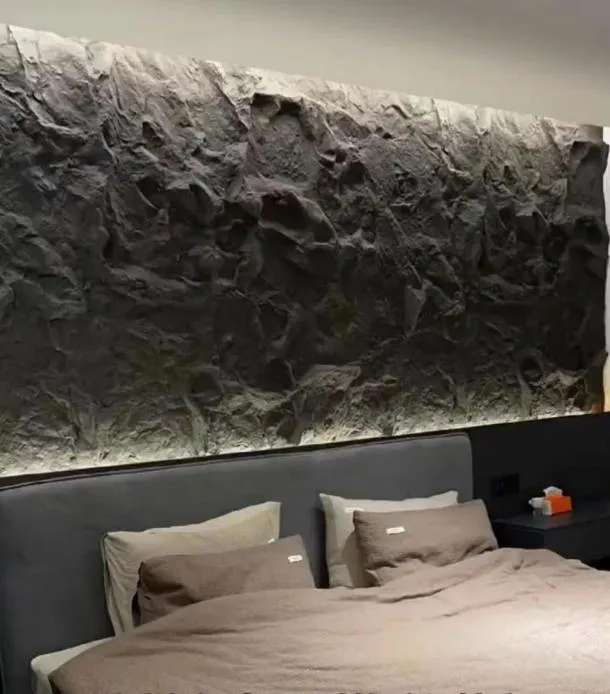
Polyurethane (PU) stone wall panels have emerged as a solution to these dilemmas, and for good reason. Crafted to mimic the look of natural stone—think rugged granite, smooth travertine, or textured limestone—they're made from a lightweight, high-density polyurethane foam core reinforced with fiberglass. This unique composition gives them a rare combination of benefits: they're 70% lighter than natural stone, resistant to moisture and UV rays, and customizable in ways natural materials can't match. But their true value lies in how they align with the architect's needs—beauty without the bulk, safety without the sacrifice, and durability without the drain on resources.
For architects, PU stone panels are a blank canvas. Want a façade that looks like weathered sandstone for a desert resort? A supplier can match the exact hue and texture. Need sleek, uniform panels for a minimalist office building? They can be cut to precise dimensions with clean edges. And because they're lightweight, they open up design possibilities that natural stone can't—overhanging eaves, curved walls, or multi-story installations that don't require extra structural support. "We used PU stone panels for a residential complex in Dammam with a cascading façade," says Omar. "Natural stone would have been too heavy to cantilever, but PU panels let us create that flowing, organic look without compromising safety."
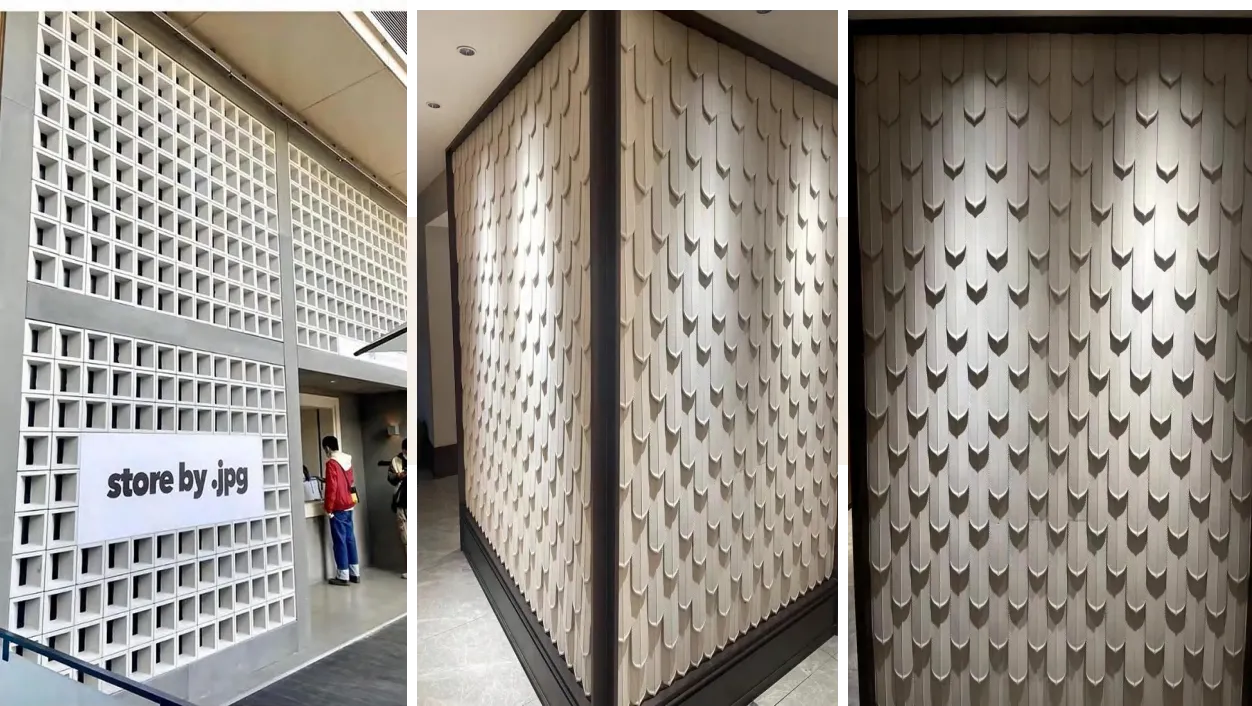
A great PU stone wall panel supplier doesn't just deliver materials—they deliver partnership. They understand that architects need more than a product sheet; they need guidance, flexibility, and support from concept to completion. Here's how they make a difference:
Most architects aren't material scientists, and that's okay. A good supplier speaks both "architect" and "engineering." They can explain why a PU panel with a 0.2% water absorption rate is better for coastal projects than natural stone, or how a Class A fire rating can be achieved without sacrificing aesthetics. "I once had a supplier walk me through fire test videos," says Lina. "They showed how their PU panels charred but didn't spread flames, which helped me convince the client that safety and design weren't mutually exclusive. That level of transparency turned a skeptical client into a believer."
Architects don't design in cookie-cutter shapes, so why should materials be one-size-fits-all? Top suppliers offer custom colors, textures, and sizes, ensuring the panels align with the project's theme. For a recent cultural center in Riyadh, an architect wanted panels that mimicked the look of local "desert rose" stone—a rare, crystalline formation. The supplier created a custom mold, sampled 12 color variations, and even adjusted the texture to catch the light like the natural stone. "It wasn't just about supplying panels," the architect noted. "They helped me tell a story about the region's geology through the building's skin."
No architect wants to gamble on a material they've never seen. Reputable suppliers provide free samples, mock-ups, and even on-site testing to ease doubts. "For a high-rise in Dubai, we needed to test how the panels would hold up to 50°C heat and sand abrasion," says Kareem. "The supplier sent samples to a third-party lab, shared the results, and even built a small outdoor mock-up. Seeing the panels withstand six months of harsh weather gave us the confidence to specify them for the entire façade."
Today's clients demand eco-friendly buildings, and suppliers are stepping up. Many PU panels are made with recycled materials, require less energy to produce than natural stone, and are 100% recyclable at the end of their life. Suppliers can provide EPDs (Environmental Product Declarations) and LEED credits guidance, helping architects meet sustainability targets without extra legwork. "I had a client who wanted a LEED Gold certification," says Omar. "My supplier provided data on how PU panels reduced transportation emissions (thanks to their light weight) and lowered heating costs (due to their insulating properties). That data was critical to scoring those points."
Even the best materials fail if installed poorly. Suppliers often send technical teams to job sites to train installers, troubleshoot issues, or adjust panels on the fly. "During a hotel renovation, we realized the original wall wasn't perfectly flat," recalls Kareem. "The supplier's team suggested slight adjustments to the panel interlocks, saving us from reworking the entire wall. That kind of problem-solving turned a potential disaster into a smooth process."
The Challenge: An architect was designing a 10-story residential building in Riyadh, where the client wanted the exterior to evoke the elegance of natural granite but needed to keep costs low and construction time short. Natural granite would have required reinforced floors, longer installation, and a higher budget.
The Solution: The PU stone wall panel supplier recommended custom "granite-look" panels in a warm beige tone, matching the desert landscape. The panels were 75% lighter than natural granite, eliminating the need for structural reinforcement, and installed 30% faster, cutting construction time by two months.
The Result: The building's façade received compliments for its "timeless, natural aesthetic," while the client saved 20% on material and labor costs. "The panels even look better than I imagined," the architect noted. "They catch the light like real granite, but without the hassle."
The Challenge: A hospital in Jeddah needed corridor walls that were Class A fireproof, easy to clean, and visually calming for patients. Natural stone was ruled out due to weight and maintenance issues, while standard drywall felt sterile and institutional.
The Solution: The supplier provided PU stone panels with a matte finish that mimicked travertine, paired with class a fireproof cpl inorganic board backing for added safety. The panels were treated with an antimicrobial coating, making them easy to sanitize, and their warm, earthy tone helped reduce patient anxiety.
The Result: The hospital passed all fire and safety inspections, and patient surveys noted a "soothing, hotel-like atmosphere" in the corridors. "We didn't just meet code—we exceeded the client's vision for patient comfort," the architect said.
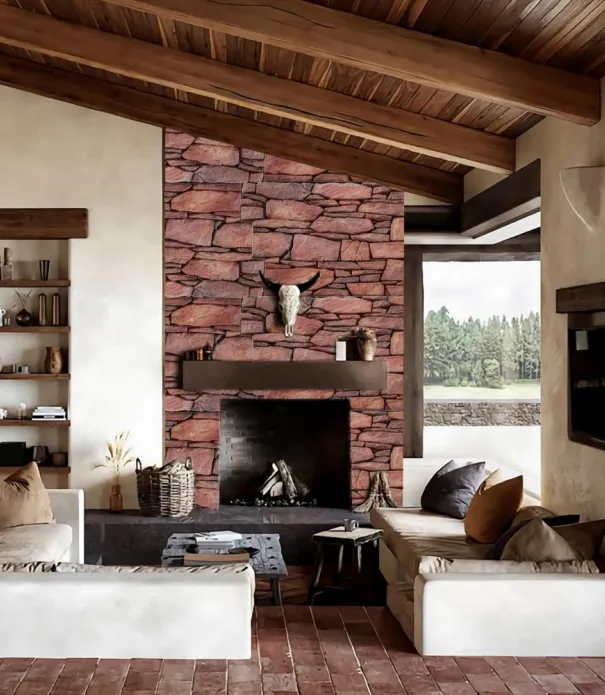
Still wondering how PU stone wall panels compare to other options? The table below breaks down key factors architects care about most:
| Material | Weight (kg/m²) | Installation Time | Cost (USD/m²) | Fire Rating | UV Resistance | Sustainability |
|---|---|---|---|---|---|---|
| PU Stone Wall Panels | 8-12 | Fast (2-3 workers/day for 100m²) | $45-65 | Class A (ASTM E84) | Excellent (no fading for 15+ years) | Recyclable, low VOC, energy-efficient production |
| Natural Granite | 40-50 | Slow (requires heavy machinery) | $100-150 | Varies (often Class B) | Good (may fade slightly over time) | High carbon footprint (quarrying, transportation) |
| MCM Flexible Cladding | 3-5 | Fast | $55-75 | Class A | Good | Recyclable, but limited texture options |
| WPC Wall Panels | 15-20 | Moderate | $35-50 | Class B (may require fire retardants) | Poor (prone to fading in direct sunlight) | Made from recycled plastic/wood, but not as durable |
As the table shows, PU stone wall panels strike a rare balance: they're lightweight, affordable, and durable, with the aesthetic appeal of natural stone. For architects juggling multiple priorities, that balance is invaluable.
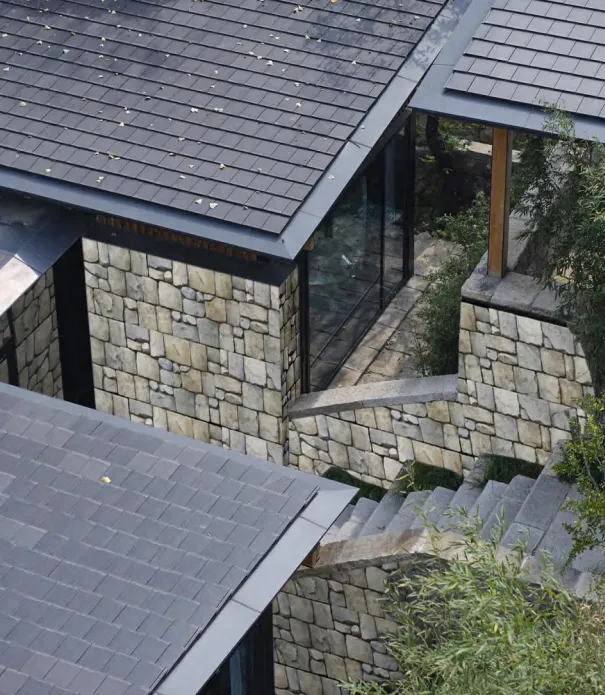
The role of PU stone wall panel suppliers is evolving, driven by advances in technology and a growing focus on sustainability. Tomorrow's suppliers will likely offer even more: AI-driven design tools that let architects visualize panels in 3D, panels integrated with solar cells for energy efficiency, and cradle-to-cradle manufacturing that ensures materials are recycled or repurposed at the end of their life. "I recently saw a prototype of PU panels with built-in LED strips," says Kareem. "Imagine a façade that changes color to reflect the time of day—all while staying fire-safe and durable. That's the kind of innovation suppliers are bringing to the table."
But no matter how advanced the technology gets, the core of the supplier-architect relationship will remain the same: trust. Architects need partners who understand their vision, anticipate their challenges, and work tirelessly to turn "impossible" into "let's make it happen."
At the end of the day, buildings are more than steel and stone—they're stories. They tell of the people who design them, the communities they serve, and the dreams that inspired them. A PU stone wall panel supplier who understands this doesn't just supply materials; they help write those stories. They turn the architect's vision into something tangible, something that will stand the test of time, and something that makes people stop, look, and say, "Wow."
So the next time you walk past a building with a stunning façade—whether it's a residential high-rise in Riyadh or a hospital in Jeddah—take a closer look. Chances are, there's a PU stone wall panel supplier behind it, quietly partnering with an architect to turn vision into reality. And that's the true magic of great design: it takes a village, one panel at a time.
Recommend Products











