
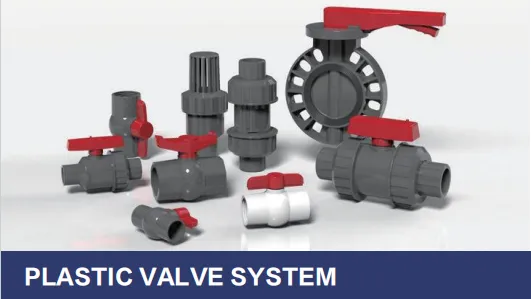
In the fast-paced world of construction and infrastructure development, project management is the backbone that holds everything together. Every delay, cost overrun, or material failure can send ripples through timelines, budgets, and stakeholder trust. While much attention is paid to architects, contractors, and project managers, there's a silent yet powerful player in the mix: suppliers. Specifically, plastic valve system suppliers and their counterparts in the piping industry—like upvc pipe suppliers and ppr pipe and fitting suppliers—are increasingly becoming strategic partners in driving project efficiency. These suppliers don't just deliver products; they deliver reliability, expertise, and solutions that turn complex projects into success stories. Let's dive into how these suppliers make a tangible difference in project management, from breaking ground to final handover.
Imagine a high-rise residential project where the plumbing phase is scheduled to start in two weeks. The contractor has ordered plastic valves and UPVC pipes, but the supplier fails to deliver on time. Suddenly, the entire schedule is derailed: plumbers are idled, subsequent tasks like wall finishing get pushed back, and the project team is scrambling to adjust deadlines. This scenario is all too common, but it's avoidable when working with a reputable plastic valve system supplier.
Leading plastic valve system suppliers understand that their role extends beyond manufacturing—they're guardians of project timelines. They invest in robust supply chains with multiple production facilities, strategic warehousing, and real-time inventory tracking. For example, a supplier might maintain regional warehouses in key construction hubs, ensuring that even large orders of plastic valve systems or UPVC pipes can be dispatched within 48 hours. This agility is critical for projects with tight deadlines, where waiting weeks for materials is simply not an option.
Upvc pipe suppliers and ppr pipe and fitting suppliers take this a step further by offering bulk ordering options and flexible delivery schedules. A hospital construction project, for instance, might require phased deliveries of PPR pipes to avoid cluttering the site with excess materials. A responsive supplier can coordinate with the project manager to align deliveries with the construction timeline, ensuring that materials arrive exactly when they're needed—no sooner, no later. This "just-in-time" approach reduces on-site storage costs, minimizes waste, and keeps workflows moving smoothly.
But reliability isn't just about speed. It's about consistency. Plastic valve system suppliers that prioritize quality control—from raw material sourcing to production testing—ensure that every batch of valves or pipes meets specifications. This eliminates the risk of receiving defective products that require rework or replacement, which is a major cause of project delays. When a supplier guarantees that 99.9% of their products pass strict quality checks, project managers can breathe easier knowing that material failures won't throw their schedules off track.
Construction projects are rarely one-size-fits-all. A luxury hotel might need corrosion-resistant plastic valves for its spa facilities, while a school might require PPR pipes that can withstand high water pressure in its heating system. This is where the technical expertise of plastic valve system suppliers and ppr pipe and fitting suppliers becomes invaluable. These suppliers don't just sell products—they offer plastic valve system solutions tailored to the unique needs of each project.
Take, for example, a commercial building with limited ceiling space. Traditional metal pipes would be heavy and cumbersome to install in tight quarters, leading to longer labor hours and higher costs. A knowledgeable upvc pipe supplier would recommend lightweight UPVC pipes, which are easier to handle and require fewer joints, reducing installation time by up to 30%. But it doesn't stop there—suppliers often send technical teams to collaborate with project engineers during the planning phase. They help select the right materials (e.g., UPVC for cold water lines, PPR for hot water systems), calculate pressure ratings, and even design custom valve configurations to optimize flow and reduce energy usage.
This collaborative approach is a game-changer for project management. When suppliers act as technical advisors, they prevent costly mistakes that arise from poor material selection. For instance, using the wrong type of plastic valve in a chemical processing plant could lead to leaks and safety hazards, but a supplier with industry-specific expertise would flag this early on. They might suggest a CPVC valve system instead, which is resistant to corrosive substances, ensuring compliance with safety standards and avoiding expensive rework later.
Installation support is another area where suppliers shine. Even the best materials can underperform if installed incorrectly. Many plastic valve system suppliers offer on-site training for contractors, teaching them best practices for joining PPR pipes or calibrating plastic valves. This hands-on guidance reduces the risk of installation errors, which are a leading cause of post-construction issues like leaks or pressure drops. In one case study, a hospital project reported a 40% reduction in plumbing callbacks after partnering with a supplier that provided installation training—saving both time and money in the long run.
In construction, compliance isn't optional—it's a legal and ethical obligation. Projects must adhere to local building codes, industry standards (like ASTM or DIN), and safety regulations, especially in sensitive environments like hospitals and schools. Non-compliance can lead to fines, project shutdowns, or even legal liability in the event of an accident. This is where plastic valve system suppliers play a critical role: they ensure that their products meet or exceed these standards, giving project managers confidence that their projects are built to last.
Reputable suppliers invest heavily in certifications. For example, a plastic valve system supplier might hold ISO 9001 certification for quality management, or their UPVC pipes might comply with ASTM D1785 standards for pressure piping. These certifications aren't just pieces of paper—they're proof that the products have undergone rigorous testing for durability, performance, and safety. When a project manager sources materials from a certified supplier, they're not just checking a box; they're reducing the risk of regulatory hurdles that could delay inspections or approvals.
This is especially important for specialized projects. Hospitals, for instance, require materials that are hygienic, fire-resistant, and easy to sanitize. A ppr pipe and fitting supplier that offers PPR pipes with anti-microbial coatings can help a hospital project meet strict healthcare regulations, ensuring that the plumbing system doesn't become a breeding ground for bacteria. Similarly, schools need materials that are non-toxic and durable enough to withstand heavy use. Suppliers that provide Class A fireproof plastic valves or lead-free PPR fittings make it easier for project managers to comply with child safety standards, avoiding costly redesigns or material substitutions later.
Beyond product certifications, suppliers also assist with documentation. They provide detailed test reports, material safety data sheets (MSDS), and compliance certificates that project managers need for permits and inspections. This paperwork can be overwhelming, but suppliers that organize and deliver these documents in a timely, easy-to-understand format save project teams countless hours of administrative work. In some cases, suppliers even assign dedicated compliance officers to work with projects, ensuring that all materials meet local regulations—whether it's Saudi Arabia's SASO standards or Europe's CE marking.
Project budgets are tight, and every dollar counts. While some project managers focus solely on the upfront cost of materials, smart managers know that the true value of a supplier lies in their ability to deliver long-term cost savings. Plastic valve system suppliers, upvc pipe suppliers, and ppr pipe and fitting suppliers excel in this area, offering solutions that reduce not just purchase costs, but also installation, maintenance, and replacement expenses.
Let's start with upfront costs. Plastic materials are generally more affordable than traditional metal (like copper or steel), making them a budget-friendly choice for large-scale projects. For example, UPVC pipes cost up to 50% less than copper pipes, and plastic valves are significantly cheaper than brass or iron alternatives. But the savings don't stop there. Plastic materials are lighter, which reduces transportation costs—trucks can carry more plastic pipes per load than metal ones, lowering fuel expenses and carbon footprints. On-site, lighter materials mean fewer workers are needed to handle and install them, cutting labor costs by 20-30% compared to metal systems.
Maintenance is another area where plastic systems shine. Unlike metal, plastic is resistant to corrosion, rust, and chemical degradation. This means plastic valves and PPR pipes require little to no maintenance over their lifespan, which can be 50 years or more. In contrast, metal pipes might need frequent repairs or replacements due to rust, especially in areas with hard water. A school district, for instance, could save millions over a decade by choosing PPR pipes over copper, as they won't have to shut down classrooms for plumbing repairs or deal with the cost of replacing corroded metal valves.
To illustrate the cost benefits of different plastic piping solutions, let's compare four common options used in construction projects:
| Product Type | Key Features | Project Management Benefits |
|---|---|---|
| UPVC Pipes (from upvc pipe suppliers) | Lightweight, corrosion-resistant, low cost | 30% lower upfront cost than metal; ideal for cold water systems and drainage |
| PPR Pipes & Fittings (from ppr pipe and fitting suppliers) | Heat-resistant, anti-microbial, durable | 40% reduction in maintenance costs; perfect for hot water systems in hospitals/schools |
| Plastic Valve Systems (from plastic valve system suppliers) | Customizable, leak-proof, easy to install | 25% faster installation than metal valves; reduces labor hours |
| PVC DWV Pipes | Smooth interior, high flow rate, chemical-resistant | Minimizes clogs in drainage systems; lowers long-term repair costs |
Suppliers also help optimize costs through bulk ordering discounts and value-added services. A large residential complex might negotiate a volume discount with a plastic valve system supplier, reducing the per-unit cost of valves by 15%. Some suppliers even offer free delivery for orders over a certain size, further lowering project expenses. Additionally, suppliers that provide pre-cut pipes or pre-assembled valve kits save contractors time on-site, as workers don't have to spend hours measuring and cutting materials—they can start installing immediately.
A 10-story office building in Riyadh, Saudi Arabia, was facing a critical delay: its original metal valve supplier had failed to deliver, pushing the plumbing phase back by six weeks. The project manager, desperate to get back on track, turned to a local plastic valve system supplier with a reputation for fast turnaround and technical expertise.
The supplier immediately sprang into action. First, they conducted a site visit to assess the project's needs, recommending a combination of UPVC pipes (from their network of upvc pipe suppliers) and plastic valves with pressure ratings tailored to the building's water system. They then expedited production, delivering the first batch of materials within three days. To further speed up installation, the supplier provided pre-assembled valve manifolds, which reduced on-site labor time by 40%.
The results were remarkable: the plumbing phase was completed in just four weeks, putting the project back on schedule. The use of plastic materials also saved the client 25% on plumbing costs compared to the original metal system. Post-construction, the building's facilities manager reported zero leaks or valve failures in the first two years, attributing the reliability to the supplier's high-quality products and installation support.
Efficient project management isn't just about completing a single project—it's about building relationships that drive success for years to come. The best plastic valve system suppliers understand this, and they go beyond transactional interactions to become long-term partners. They stay in touch after project completion, offering maintenance support, warranty services, and updates on new products or regulations that could benefit future projects.
For example, a property developer that partners with a ppr pipe and fitting supplier for one residential complex might collaborate again on a hotel project, leveraging the supplier's knowledge of their preferences and past project challenges. The supplier, in turn, might offer exclusive discounts or priority delivery for repeat clients, making future projects even more efficient. Over time, this partnership becomes a competitive advantage: the developer knows they can rely on the supplier to deliver quality, on time and on budget, while the supplier gains a loyal customer.
Suppliers also invest in innovation, keeping project managers ahead of the curve. They research new materials (like eco-friendly PPR pipes made from recycled plastic) or smart valve systems with IoT sensors that monitor flow and detect leaks in real time. By sharing these innovations with clients, suppliers help project managers future-proof their projects, ensuring they meet evolving sustainability standards and technology trends. In the long run, this reduces the need for costly upgrades and keeps projects relevant in a rapidly changing industry.
In the chaos of construction projects, plastic valve system suppliers, upvc pipe suppliers, and ppr pipe and fitting suppliers are more than just vendors—they're strategic assets. They bring reliability to supply chains, technical expertise to problem-solving, compliance to risk management, and cost savings to budgets. By choosing the right supplier, project managers transform a potential source of stress into a partner that drives efficiency, innovation, and success.
So, the next time you're planning a project, don't just evaluate suppliers based on price alone. Look for those that offer plastic valve system solutions, not just products. Seek out partners with a track record of on-time delivery, technical collaboration, and long-term support. Because in the end, efficient project management isn't just about managing tasks—it's about managing relationships. And with the right supplier by your side, you'll turn even the most complex projects into stories of success.
Recommend Products












