


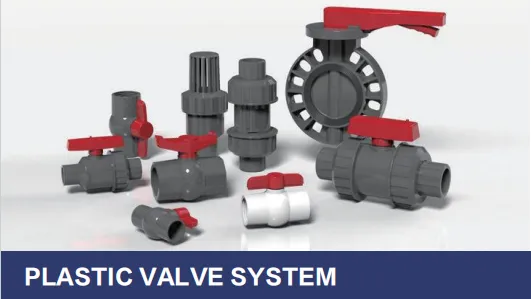
In an era where the built environment is under increasing pressure to reduce its carbon footprint, sustainable construction has shifted from a niche trend to a global imperative. From green building certifications like LEED and BREEAM to local regulations mandating lower energy consumption and waste reduction, the industry is reimagining every aspect of construction—including the materials that form the backbone of our buildings. Among these materials, plastic valve system solutions have emerged as unsung heroes, quietly supporting sustainable goals while delivering reliability and efficiency. But how exactly do these unassuming components contribute to a greener future? Let's dive in.
Sustainable construction isn't just about solar panels or energy-efficient windows; it starts with the foundational elements that make up a building's infrastructure. Plumbing systems, for instance, are critical to a structure's functionality, but they're often overlooked in sustainability conversations. Yet, the choice of valves, pipes, and fittings can significantly impact a project's environmental footprint—from manufacturing to installation, and even long-term maintenance. This is where plastic valve system solutions, alongside complementary products like PVC DWV pipes and PPR pipe and fittings, step in, offering a blend of durability, efficiency, and eco-friendliness that traditional materials struggle to match.










