
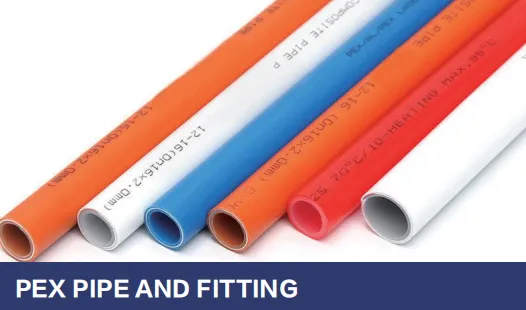
In recent years, as homeowners and businesses alike turn to solar energy to reduce carbon footprints and cut utility costs, the focus has rightfully been on the panels themselves—their efficiency, placement, and energy output. But behind the scenes, there's a critical component that often goes overlooked: the plumbing system that connects solar technology to our daily lives. Whether it's solar thermal systems heating water for showers or photovoltaic (PV) systems paired with water-based cooling, the plumbing infrastructure is the silent bridge between sunlight and functionality. And at the heart of that bridge? PEX pipes and fittings. Today, we're diving into how pex pipe and fitting suppliers aren't just selling products—they're enabling the seamless integration of solar energy into our homes and businesses through tailored pex pipe and fitting solutions .
Let's start by understanding the unique demands of solar-integrated plumbing. Unlike standard plumbing systems, which primarily handle cold or moderately warm water, solar systems deal with extreme temperature fluctuations. Solar thermal panels, for example, can heat water to temperatures upwards of 180°F (82°C) on a sunny day, only to drop significantly during cloudy periods or at night. Add to that the pressure changes from pumps, the need for flexible routing around roof rafters or tight spaces, and the long-term exposure to UV rays and outdoor elements, and it's clear: traditional pipes often can't keep up.
Copper, once the gold standard, is rigid, making it hard to install in tight solar setups. It's also prone to corrosion over time, especially when exposed to the mineral-rich water common in many regions. PVC, while affordable, becomes brittle at high temperatures and can't handle the heat spikes from solar systems without cracking. Galvanized steel? Heavy, expensive, and prone to rust. So, what's the alternative? Enter PEX—cross-linked polyethylene—a material that's been quietly revolutionizing plumbing for decades, and now, becoming indispensable in solar integration.
PEX pipes are made by cross-linking polyethylene molecules, creating a material that's both flexible and incredibly durable. Think of it as the plumbing equivalent of a multi-tool—adaptable, strong, and ready for whatever the job throws at it. But what specifically makes PEX ideal for solar systems?
Flexibility Without Compromise: Solar installations rarely follow a "one-size-fits-all" layout. Panels might be on a sloped roof, a ground-mounted array, or even integrated into building facades. PEX pipes bend easily, reducing the need for elbow fittings and minimizing potential leak points. This flexibility also makes installation faster, cutting down on labor costs—a win for both contractors and homeowners.
Temperature Tolerance: PEX can handle water temperatures from below freezing (-40°F/-40°C) to well above boiling (200°F/93°C), depending on the type (PEX-A, PEX-B, or PEX-C). For solar thermal systems, which often push the upper limits of hot water, this thermal stability is non-negotiable. Unlike PVC, PEX won't warp or crack under heat stress, and unlike copper, it won't weaken at joints when temperatures fluctuate.
Corrosion and Chemical Resistance: Solar systems often use glycol-based heat transfer fluids to prevent freezing in cold climates. These fluids can be harsh on metal pipes, but PEX is impervious to chemical corrosion, ensuring the system lasts for decades. It's also resistant to scale buildup, which can clog pipes and reduce efficiency over time.
Energy Efficiency: PEX has natural insulating properties, reducing heat loss as hot water travels from solar panels to storage tanks. Some PEX pipes even come pre-insulated, further boosting efficiency and lowering energy bills. In a solar system, where every degree of heat matters, this is a game-changer.
To put this in perspective, let's compare PEX to traditional materials side by side:
| Material | Flexibility | Max Temperature Resistance | Corrosion Resistance | Installation Ease | Cost (Per Foot) |
|---|---|---|---|---|---|
| PEX | High—bends up to 90° without fittings | Up to 200°F (93°C) | Excellent—resists chemicals, scale, and rust | Easy—no soldering; crimp or push-fit fittings | $0.50–$2.00 |
| Copper | Low—requires elbows for turns | Up to 400°F (204°C) but weakens at joints | Moderate—prone to pinhole leaks over time | Hard—requires soldering and skilled labor | $2.00–$4.00 |
| PVC | Low—rigid, cracks with bending | Max 140°F (60°C) before brittleness | High—resists corrosion but not heat | Moderate—glued fittings, rigid routing | $0.30–$1.00 |
| Galvanized Steel | Very low—heavy and inflexible | High, but prone to rust at high temps | Low—rusts easily, especially with mineral water | Difficult—requires threading and heavy lifting | $3.00–$6.00 |
The table tells a clear story: PEX balances flexibility, durability, and cost in a way that traditional materials can't—making it the go-to choice for solar plumbing. But PEX alone isn't enough. To truly integrate solar systems, you need more than just pipes; you need a partner who understands both the material and the unique demands of solar energy. That's where pex pipe and fitting suppliers step in.
When you think of a supplier, you might picture a warehouse full of products. But in the world of solar plumbing, pex pipe and fitting suppliers are more like problem-solvers. They don't just deliver pipes—they deliver pex pipe and fitting solutions tailored to the specific needs of solar installers, contractors, and homeowners. Let's break down the key roles they play:
Solar systems vary widely. A residential solar thermal setup for a single-family home has different needs than a commercial solar cooling system for a hotel. Pex pipe and fitting suppliers employ teams of technical experts who understand these nuances. They can recommend the right type of PEX (A, B, or C) for the job—PEX-A, for example, is the most flexible and ideal for tight roof installations, while PEX-B offers cost savings for larger commercial projects. They also advise on insulation thickness, fitting types (crimp, clamp, or push-fit), and even color coding to hot and cold lines, reducing installation errors.
Take, for instance, a contractor installing a solar thermal system on a historic home with limited attic space. The supplier might suggest PEX-A pipes for their ability to bend around structural beams without joints, paired with oxygen-barrier PEX to prevent corrosion in the solar loop. Without that expertise, the contractor might default to rigid pipes, leading to a longer installation, higher costs, or even damage to the home's historic architecture.
Solar systems often require non-standard fittings—think adapters to connect PEX to solar collectors, manifolds to distribute hot water to multiple fixtures, or check valves to prevent backflow during temperature drops. Pex pipe and fitting suppliers don't just stock generic parts; they design and manufacture custom fittings to bridge the gap between PEX pipes and solar components. For example, many suppliers now offer brass crimp fittings with solar-specific threads, ensuring a tight seal between PEX lines and the copper or stainless steel ports on solar panels.
Some suppliers go a step further, offering pre-assembled PEX manifolds for solar hot water systems. These manifolds act as distribution hubs, allowing installers to connect multiple PEX lines to a single solar storage tank—simplifying installation and reducing the risk of leaks. For large-scale projects like apartment buildings or hotels, these pre-built systems can cut installation time by 30% or more.
Solar installations are subject to strict building codes and industry standards, from local plumbing regulations to international certifications like ISO 9001. Pex pipe and fitting suppliers ensure their products meet or exceed these standards, giving installers and homeowners peace of mind. For example, PEX pipes used in solar systems must comply with ASTM F876/F877 standards, which set requirements for temperature resistance, pressure ratings, and durability. Reputable suppliers provide certification documents, test reports, and material safety data sheets (MSDS) to prove compliance—critical for passing inspections and ensuring long-term system reliability.
Consider a school installing a solar thermal system to heat its swimming pool. The project must meet not only plumbing codes but also safety standards for public facilities. The supplier would provide PEX pipes certified for potable water use (if the system also supplies drinking water) and fittings tested for pressure endurance, ensuring the system can handle the daily demands of 500+ students without failure.
Many pex pipe and fitting suppliers offer training programs for contractors and installers, teaching them best practices for integrating PEX with solar systems. These programs cover everything from proper crimping techniques to troubleshooting common issues like leaks or pressure drops. Some suppliers even host hands-on workshops, where installers can practice bending PEX pipes around mock roof trusses or assembling solar loop systems—building confidence before they step onto a job site.
For example, a supplier might partner with a local solar installer association to host a day-long workshop on "PEX for Solar Thermal Systems." Attendees learn how to size PEX lines based on solar collector output, how to insulate pipes to minimize heat loss, and how to pressure-test systems after installation. This training not only improves installation quality but also helps spread awareness of PEX as a solar-friendly solution.
To truly understand the value of pex pipe and fitting solutions in solar integration, let's look at a few real-world examples:
A homeowner in Phoenix, Arizona, wanted to reduce their reliance on natural gas for hot water by installing a solar thermal system. The challenge? The home had a flat roof with limited space for pipe runs, and the extreme desert heat (up to 120°F in summer) meant the pipes needed to withstand high temperatures and UV exposure.
The pex pipe and fitting supplier recommended PEX-A pipes with a UV-resistant coating and oxygen barrier, paired with brass crimp fittings and a pre-insulated manifold. The PEX-A's flexibility allowed the installer to route pipes around roof vents without joints, and the UV coating prevented degradation from the sun. The oxygen barrier protected the system from corrosion, ensuring longevity in Arizona's mineral-heavy water.
Result: The system has been running for 7 years with no leaks or maintenance issues. The homeowner reports saving $40–$60 monthly on gas bills, and the flexible PEX installation meant no damage to the roof's waterproofing membrane—critical in a region prone to monsoon rains.
A beachfront hotel in Miami wanted to cut energy costs by using solar PV panels to power a water-based cooling system. The system circulates chilled water through PEX pipes to air handlers in guest rooms, reducing the load on traditional AC units. The challenge? The hotel needed the system to operate 24/7, withstanding high humidity and occasional saltwater exposure from coastal winds.
The pex pipe and fitting supplier provided PEX-B pipes with a chlorinated polyvinyl chloride (CPVC) core for added durability, along with stainless steel push-fit fittings resistant to salt corrosion. They also supplied a custom manifold with pressure gauges and flow meters, allowing the hotel's maintenance team to monitor system performance in real time.
Result: The system reduced the hotel's cooling costs by 25%, and the PEX pipes have shown no signs of corrosion after 5 years. The push-fit fittings made it easy for the maintenance team to quickly replace a damaged section after a hurricane, minimizing downtime for guests.
A public school in Denver installed a solar thermal system to heat water for its cafeteria and locker rooms. The system needed to comply with strict state plumbing codes and handle freezing temperatures in winter (down to -10°F).
The pex pipe and fitting supplier recommended PEX-C pipes with a thick insulation layer and frost-free fittings. They also provided technical support to help the installer design a closed-loop system with glycol antifreeze, ensuring the pipes wouldn't burst in cold weather. To meet code requirements, the supplier furnished certification documents proving the PEX met ASTM standards for potable water and temperature resistance.
Result: The system has reduced the school's annual energy costs by $12,000, freeing up funds for educational programs. The PEX pipes have withstood 6 Colorado winters without freezing or cracking, and the school's facilities manager notes that maintenance is "virtually nonexistent" compared to the old copper system.
The impact of pex pipe and fitting solutions goes beyond the technical aspects—it translates to real-world benefits for homeowners, businesses, and the planet:
Cost Savings: PEX is often cheaper than copper, and its flexibility reduces installation labor costs. Over time, solar systems with PEX plumbing require less maintenance (no corrosion, fewer leaks), lowering long-term expenses. The Arizona homeowner, for example, recouped their solar installation costs 2 years faster thanks to PEX's lower upfront and maintenance costs.
Energy Efficiency: PEX's natural insulation properties reduce heat loss in solar thermal systems, meaning more of the sun's energy is used to heat water rather than being wasted. For commercial buildings like hotels, this can translate to thousands of dollars in annual energy savings.
Durability: PEX pipes have a lifespan of 40–50 years, outlasting copper (20–30 years) and PVC (10–15 years in high-temperature applications). This longevity aligns perfectly with solar panels, which typically have a 25–30 year warranty, ensuring the plumbing system won't need replacement mid-panel life.
Eco-Friendliness: PEX is made from recycled materials in many cases, and its production requires less energy than copper mining or PVC manufacturing. Additionally, by enabling more efficient solar systems, PEX helps reduce reliance on fossil fuels—compounding its environmental benefits.
As solar technology advances, so too will the role of pex pipe and fitting suppliers . Here are a few trends shaping the future:
Smart PEX Systems: Imagine PEX pipes embedded with sensors that monitor temperature, pressure, and flow rates, sending data to a smartphone app. Suppliers are already experimenting with "smart" PEX systems, allowing homeowners and maintenance teams to detect leaks or inefficiencies in real time—before they become costly problems.
Sustainable Materials: Suppliers are developing PEX pipes made from 100% recycled polyethylene, further reducing the environmental footprint. Some are even exploring bio-based PEX, made from plant-derived materials, without sacrificing performance.
Integration with Renewable Heating/Cooling: As solar PV systems become more efficient, they're increasingly paired with heat pumps for year-round heating and cooling. PEX, with its ability to handle both hot and cold fluids, will play a key role in these hybrid systems, with suppliers developing specialized fittings to connect PEX to heat pump coils.
Solar energy is more than a trend; it's a critical step toward a sustainable future. But without the right plumbing infrastructure, even the most efficient solar panels can't deliver on their promise. Pex pipe and fitting suppliers are the unsung heroes in this journey, providing the materials, expertise, and solutions that turn sunlight into usable energy for our homes and businesses. From technical support to custom fittings, they're not just suppliers—they're partners in building a greener, more efficient world.
So the next time you step into a warm shower heated by solar energy or enjoy a cool room powered by a solar-cooled system, take a moment to appreciate the PEX pipes working behind the scenes. And remember: none of it would be possible without the dedicated pex pipe and fitting suppliers who turn challenges into solutions, one pipe at a time.
Recommend Products












