
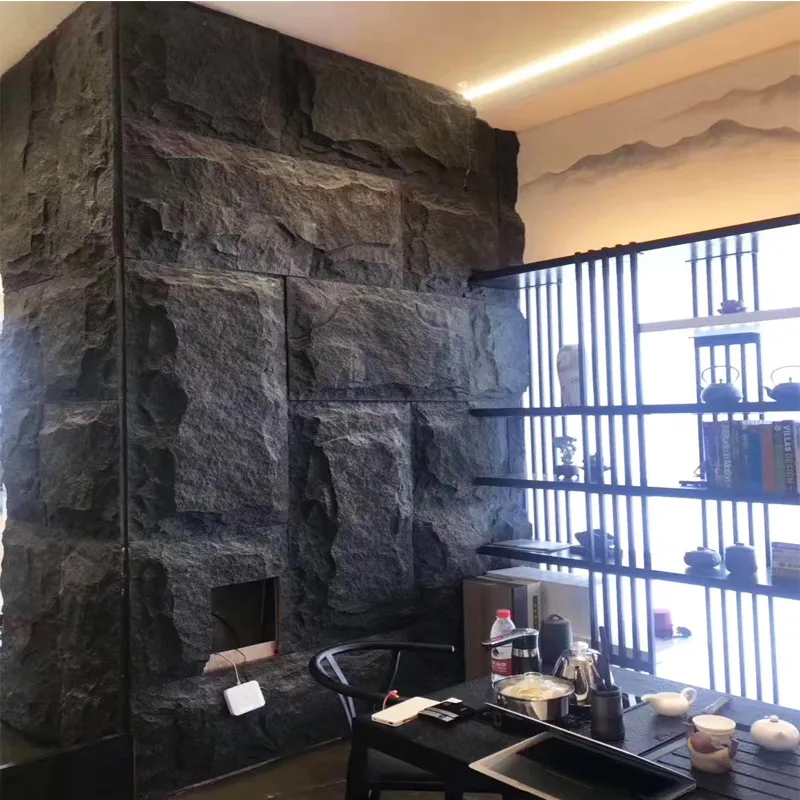
Hey there! If you're exploring natural stone options for your home or project, you've probably noticed how prices can swing dramatically based on something as seemingly simple as color. Today, we're digging into mushroom stone – that wonderfully textured, earthy material that brings organic warmth to spaces. And guess what? Its color plays a massive role in what you'll pay.
Having spent years in the stone industry, I can tell you firsthand that the link between hue and dollar signs isn't random. It boils down to fascinating factors like geological rarity, quarrying challenges, and good ol’ supply-and-demand. Whether you're eyeing a creamy beige or a dramatic charcoal mushroom stone, understanding this color-price dance will help you make smarter decisions for your project.
Alright, let's get real about what drives those numbers on your quote. It's not just about color – though that's a huge piece of the puzzle. Here's what actually moves the needle:
Mushroom stone isn't mass-produced in a factory. Each piece is literally carved from the Earth in specific global locations. Some colors? They’re the unicorns of the stone world. Deeper, richer hues like espresso browns or forest greens often come from remote quarries where extraction feels more like an expedition than mining. And you know what that means? Higher costs, simply because of the sweat and logistics involved.
Ever wonder why certain shades are pricier? Blame Mother Nature’s recipe. Vibrant reds and blues in mushroom stone form under rare mineral conditions over millennia. The more complex and unusual the mineral cocktail, the steeper the price tag. It’s geology setting the value, pure and simple.
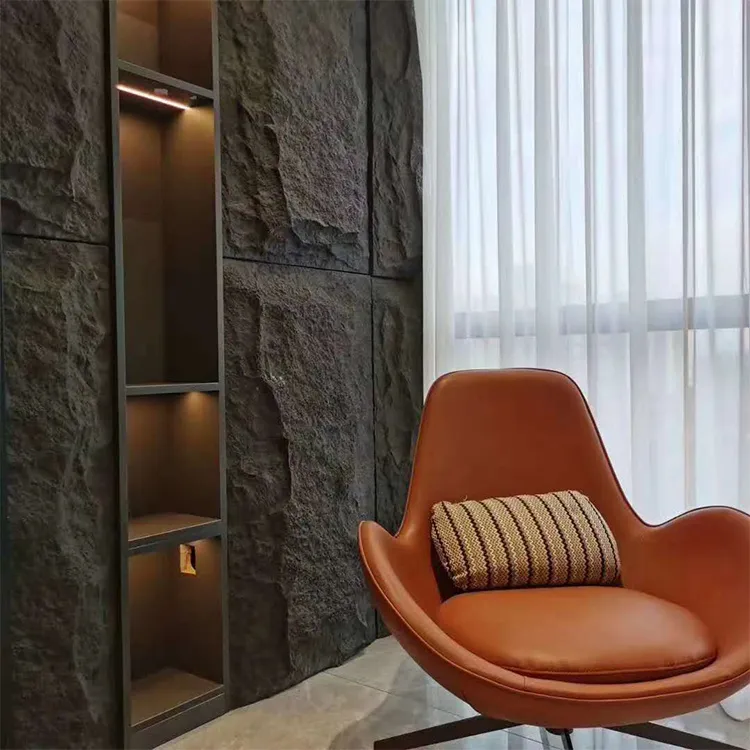
Let's break down what you can expect across the mushroom stone spectrum:
Think of these as your wallet-friendly workhorses. Beige and cream mushroom stones are widely available and relatively easy to quarry. They offer that versatile, warm foundation designers love. Ideal if you're covering large areas or want that rustic feel without breaking the bank.
Stepping into mid-range territory, these richer browns and burnt oranges require more careful extraction. Their popularity in southwestern and Mediterranean designs keeps demand healthy but not insane. You get noticeable character without boutique-stone pricing.
Here's where prices climb. Why? Quarrying dense, dark stone is tougher on equipment, yields lower volumes per blast, and often requires extra finishing steps to highlight its natural depth. It gives amazing moody contrast, but you pay for that luxury.
The rock stars of mushroom stone! These colors occur in very specific mineral conditions. Finding quarries with consistent deposits is a treasure hunt – sometimes only a handful worldwide produce these hues reliably. Expect boutique pricing similar to rare gemstones.
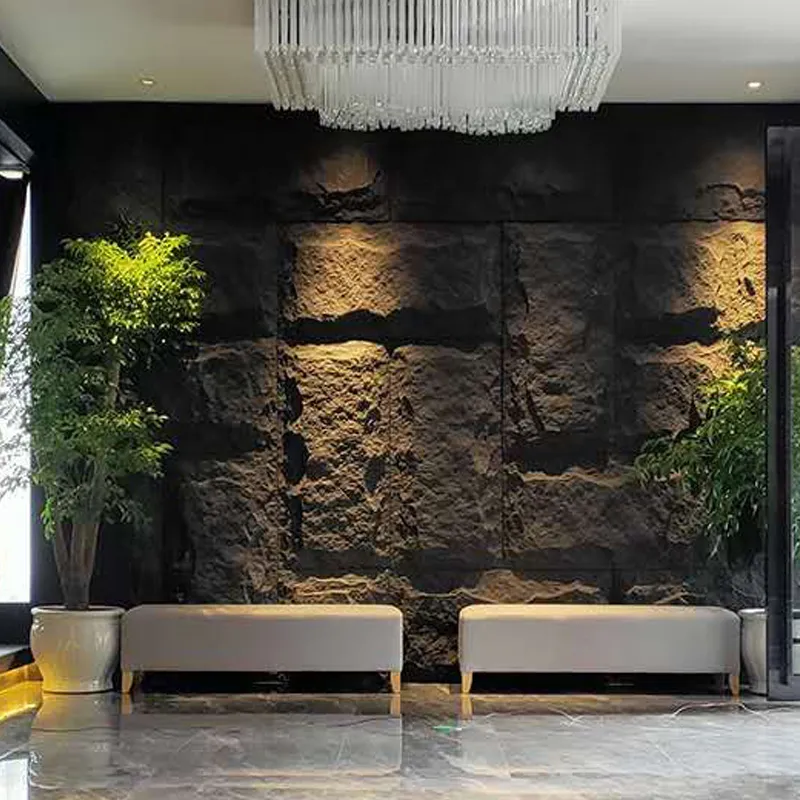
Here's a ballpark range based on current global markets*:
| Color Family | Examples | Low Range ($) | Mid Range ($) | Premium ($) |
|---|---|---|---|---|
| Neutrals | Ivory, Sand, Almond | 25-45 | 40-65 | 60-85 |
| Earth Tones | Hazelnut, Rust, Amber | 40-60 | 60-85 | 80-115 |
| Dramatic Darks | Slate, Mocha, Graphite | 60-90 | 85-130 | 120-200 |
| Specialty Hues | Sage, Ocean, Rustic Red | 85-150 | 140-250 | 230-400+ |
*Prices vary by region, quarry source, and finish (honed vs. textured). Does not include installation.
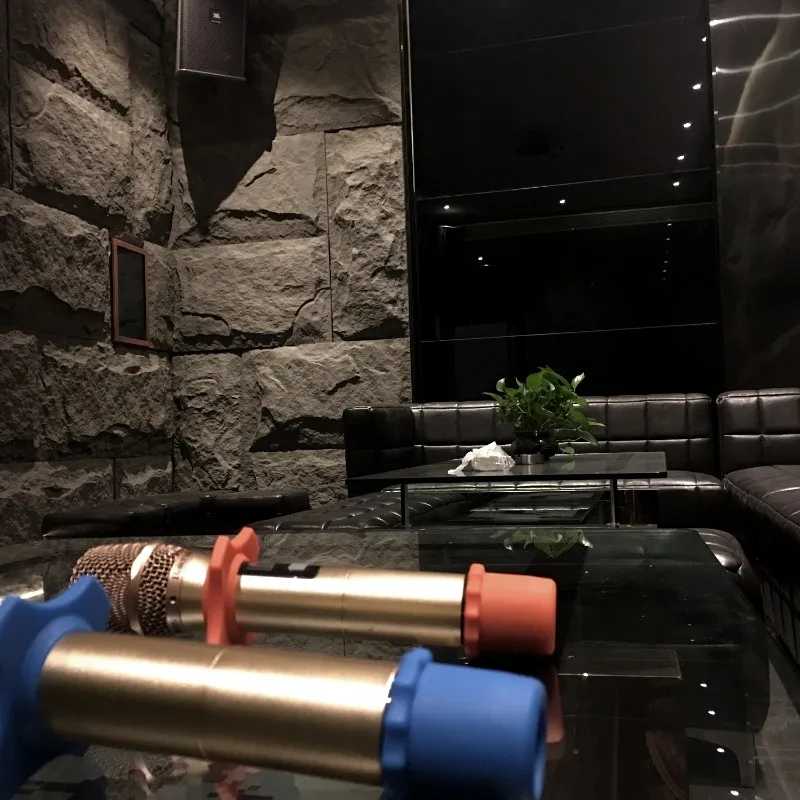
Working with mushroom stone doesn't mean emptying your savings. Here's how savvy buyers get beautiful results while managing costs:
Instead of covering entire walls in premium blue mushroom stone, use it as an accent. Pair it with neutral tones elsewhere – you get that eye-catching pop without the full premium price tag. Designers do this all the time!
Many suppliers offer blended batches where multiple colors appear together naturally. These "quarry runs" cost 15-30% less than color-sorted batches, and honestly? They often create the most organic, authentic look.
A textured finish hides minor variations beautifully and costs less than precision-honed surfaces. With mushroom stone’s natural irregularities, embracing that rustic feel can save you money.
Remember, an experienced building material supplier can guide you to value-packed options. Their knowledge of regional quarries often reveals gems others overlook.
We've covered a lot of ground here – literally! Choosing mushroom stone color isn't just an aesthetic decision; it's a financial one rooted in geology and market realities. As you navigate your options:
Ultimately, every shade of mushroom stone brings unique character to your space. Knowing how colors influence price lets you craft a design that reflects your vision without budget surprises. Ready to start exploring? Stone awaits!
Recommend Products












