


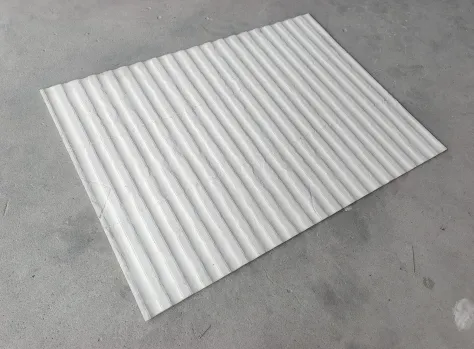
Okay, let's talk countertops! Imagine walking into your dream kitchen—what's the first thing that grabs your attention? Exactly—those gorgeous stone slabs running across your counter space. Today we're diving into the heart of kitchen transformations: Century Stone countertops. What makes them special? What will they cost you next year? Grab your coffee, because we're unpacking everything you need to know!
We're pulling insights from the top design forecasters and cost analysts to give you real numbers you can actually budget with. Spoiler alert: the world of countertops has gotten fascinating since 2023. From wild new patterns to game-changing durability tech—hold tight, it's gonna be fun.
What’s Cooking in Countertop Design?
Let's be real—countertops aren't just slabs to chop onions anymore. They’re statement pieces. Talking to kitchen designers and scrolling through this year’s top remodels, a few patterns pop loud and clear:
Quartz & Quartzite: The Undisputed Champs
You know those friends who just get life? Low-maintenance but always look amazing? That’s quartz. Real talk: about 80% of folks walking into showrooms today ask for it. Why? It’s tough as nails and comes in literally every color under the sun.
The Fall of Granite Royalty
Remember when everyone had granite? Times have changed. Designers whisper it’s starting to feel a bit… 2005. Those dense, dark slabs scream "suburban flip house," while today’s vibe is airy, light, with soft veining that doesn’t smack you in the face.
Butcher Block: The Warm Comeback
Surprise! Wood counters are staging a cozy revolution. Not your grandma’s clunky boards either—think minimalist teak or walnut strips glued into sleek modern lines. Bonus points? You can sand out life’s little oops moments.
Bottom line? Your countertop choice now reflects personal style as much as practicality. Fancy a sci-fi stainless steel lab vibe? Go for it. More farmhouse warmth with recycled wood? You do you.
Century Stone: Breaking Down The Dollars
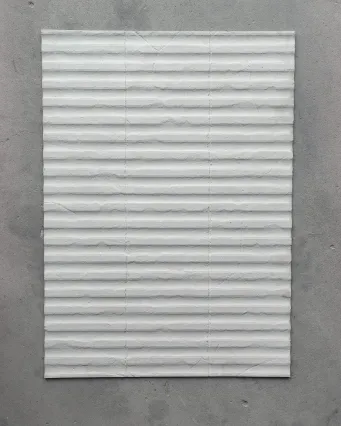
Alright, the meaty part—what’s this actually gonna cost you? Century Stone sits in the luxury engineered stone category, kind of like quartz’s high-fashion cousin. Here’s what designers and contractors tell us:
The Bare Bones Budget
Entry-level Century Stone? You’re looking at $80–$110 per square foot. This gets you simple patterns and thinner slabs (think 2cm thick). Good enough to impress neighbors? Absolutely. Mind-blowing Instagram-worthy? Maybe not.
The Sweet Spot Mid-Range
Want "wow factor" without private-jet prices? $120–$170/sq ft. Brings you:
- Thicker 3cm slabs that feel lavish
- Complex veining mimicking natural stone
- Premium edge profiles (demibullnose or mitered)
- UV-resistant finishes that won’t yellow
Ball Out Luxury Tier
$180+/sq ft enters bespoke territory. We’re talking:
- Exclusive color runs you won’t find anywhere else
- Integrated matching backsplashes poured as one piece
- Seamless bookmatched patterns
- Custom thickness up to 5cm (hello, waterfall island!)
Wait—hold up! What about installation? Tack on another $50–$100 per hour for pro fitting. Messy, yes, but the secret to avoiding the "tile gap of doom" between sections.
How Century Stone Stacks Against Competition
Not all stones are created equal. Let’s get nerdy comparing properties:
| Material | Cost/sq ft | Durability | Maintenance | 2024 Popularity |
|---|---|---|---|---|
| Century Stone | $80–$180+ | Excellent | Zero sealing | Rapidly rising |
| Quartz | $50–$150 | Great | Easy cleaning | #1 choice |
| Granite | $40–$100 | Good | Annual sealing | Declining |
| Marble | $60–$100 | Delicate | High upkeep | Luxury niche |
| Butcher Block | $50–$150 | Medium | Monthly oiling | Trending ↗️ |
Notice why Century Stone grabs attention? That "zero maintenance" perk combined with quartz-busting design range. Plus, unlike natural stone, it won’t throw a fit when you spill wine.
What Installers Don’t Tell You (But Should)
Found the perfect slab? Awesome. Now avoid classic traps:
"The Seam" Dilemma
Massive island? Prepare for seams. Top installers hide them in natural pattern breaks, while cheap jobs create eye-sore gaps. Ask specifically about their seam strategy.
Template vs Measurement
Cutting corners? Don’t. Real pros laser-scan your kitchen, then build plywood templates to test fit. Skip this step, meet the horror of misaligned sink cutouts.
Edge Details Matter
That $15 extra per foot for eased versus ogee edges? Worth every cent. Sharp corners chip; soft curves wear like armor.
Biggest advice? Don’t just chase the slab price tag. Factor fabrication quality into your total spend.
Where Costs Are Headed in 2025
Crunching industry forecasts:
Demand Spike : Post-2024, interior designers predict 20% more homeowners springing for stones like Century thanks to durability awareness.
Supply Squeeze : Global transport costs and material shortages could push prices 8–12% higher by late 2025.
Tech Edge : New bonding techniques hitting labs—expect stainproof nanotechnology coatings becoming standard, adding ~5% to cost.
Translation? If you're planning for 2025, lock pricing early. Most shops honor quotes for 90 days.
The Eco Story Behind Stones
Guess what? Your countertop has an environmental footprint too:
- Century Stone scores high using recycled quartz/minerals—up to 42% repurposed content.
- Transport matters: domestically manufactured options cut shipping emissions by half.
- Long-term bonus? Never needs resealing chemicals like natural stone.
So yeah, you can feel slightly virtuous while flipping pancakes.
Is Century Stone Worth Your Cash?
Let’s cut through the hype:
Worth Every Penny If
- You despise maintenance (high fives welcome)
- Your kitchen is a high-traffic zone (kid central? Pet hair HQ?)
- Custom looks are non-negotiable
- Budget can stretch for investment-grade durability
Think Twice If
- You’re flipping the house next year
- You’re okay with visible seams
- Your budget ends at $70/sq ft
- Heat resistance matters most (glass pans = hot temp risk)
The honest truth? For most modern homeowners craving worry-free luxury, Century Stone makes mad sense. Budget $5,000–$15,000 for 30–40 sq ft of pure functional art. Yeah, it stings—but peeling off plastic coverings after install? Pure magic. Now go build that dream kitchen!










